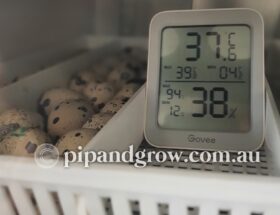
“These fertile eggs have been kept in a warm place ready for hatching.”
We have seen this stated a few times on fertile egg advertisements. While we completely understand the good intention behind it, this is actually the exact opposite of what you want to do.
WHY?
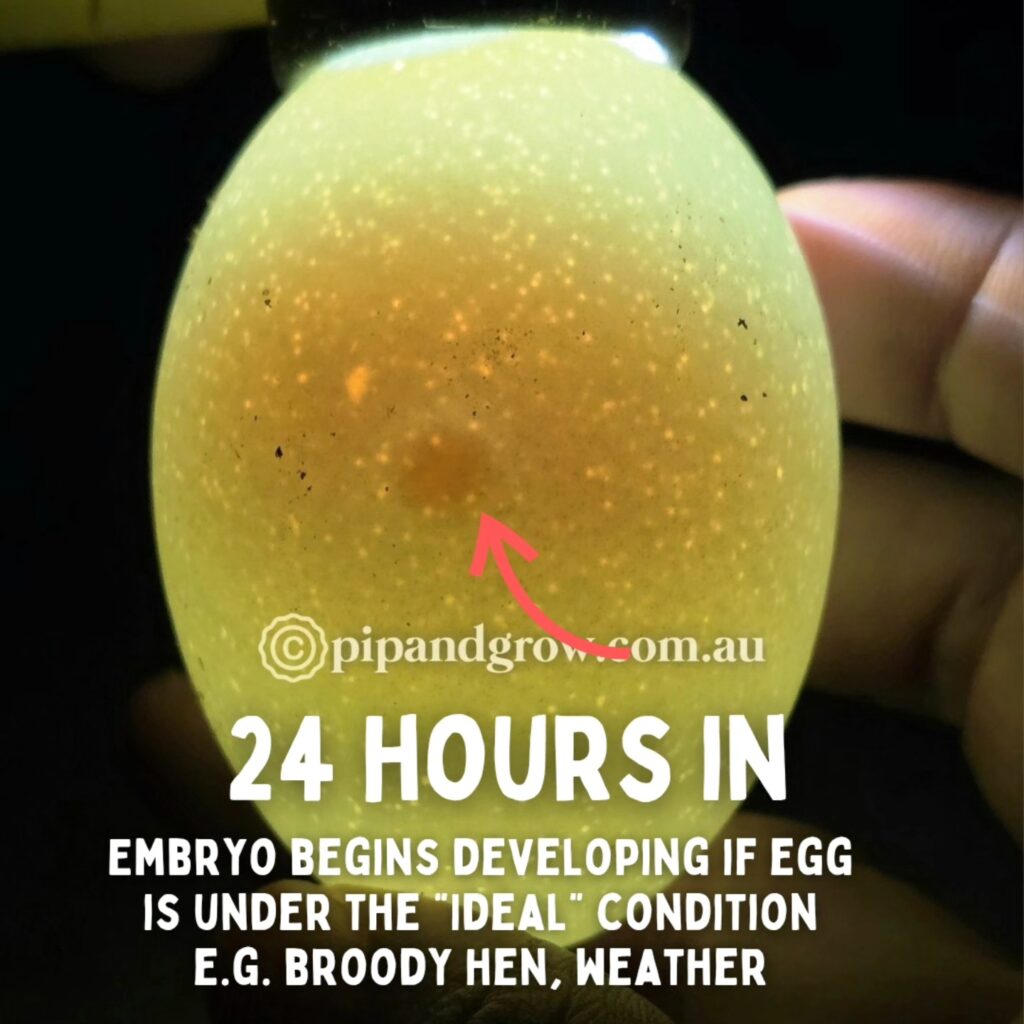
A chicken embryo naturally begins its early development when the temperature reaches around 24°C (known as physiological zero). If eggs are stored in a simply “warm place” before properly going into an incubator or under a broody hen, the embryo will start to develop. Because the temperature isn’t consistently high enough, that development will stall, leading to early embryo death and terrible hatch rates.
Here is how we ensure our fertile eggs stay perfectly viable before incubation.

Frequent Collection
Especially as the weather gets warmer, leaving eggs in a hot nesting box all day can trigger unwanted early development. We collect our hatching eggs multiple times a day.
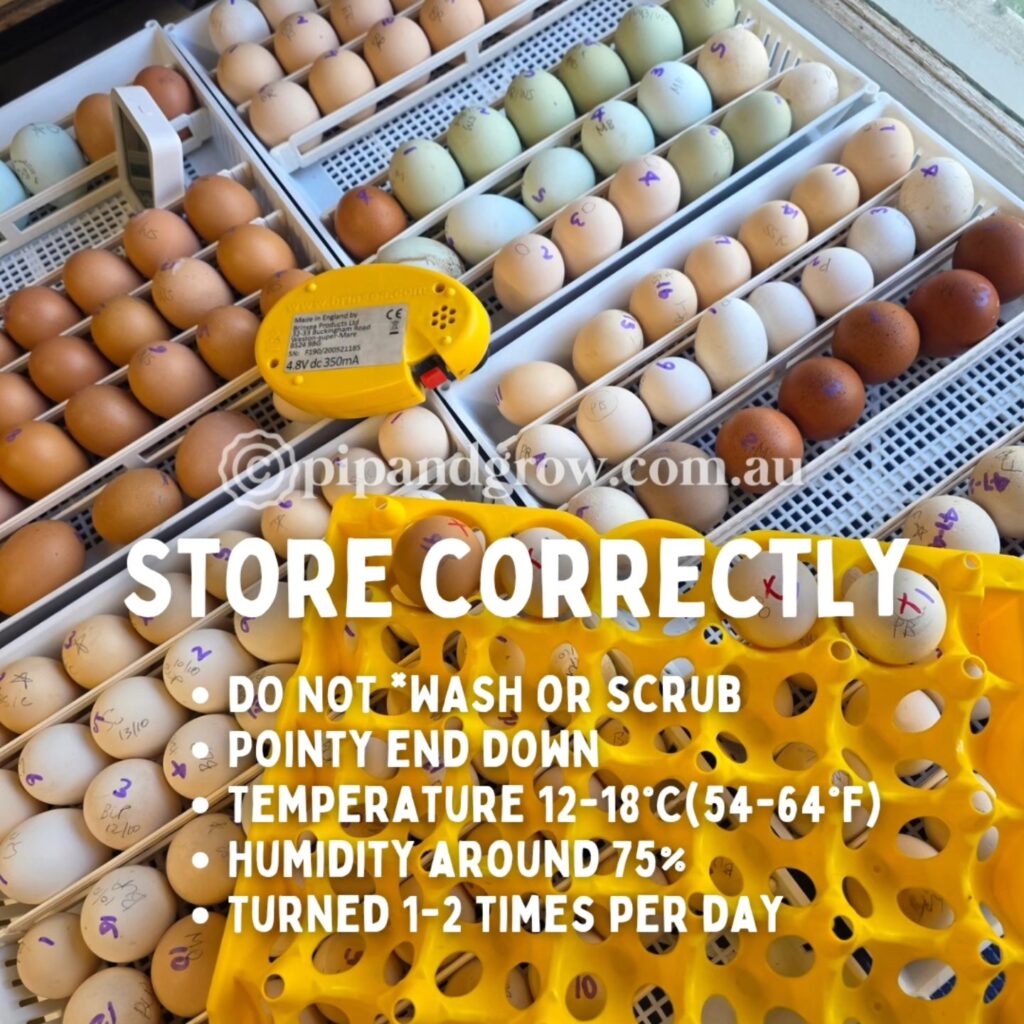
We never wash or scrub our hatching eggs under running water. Doing so removes the egg’s natural protective layer (the bloom), leaving it completely open to bacteria risking embryonic death due to bacterial contamination. If an egg is slightly soiled, gently dry-wipe it or spot-clean it with a 2-3% hydrogen peroxide solution. If an egg is heavily covered in mud or poop, we strongly recommend not incubating it at all.
Correct Storage
Temperature : The golden storage zone is actually a cool 12°C to 18°C(54-64°F) You want to put the embryo safely to “sleep” before incubation, not wake it up.
Humidity : Keep the storage area at around 75% humidity to prevent the vital moisture inside the egg from evaporating.Here is how we ensure our fertile eggs stay perfectly viable before incubation.
Always store them with the pointy end facing down, and gently tilt the cartons daily so the yolk doesn’t stick to the shell membrane.
Fertile eggs are like dormant seeds. Keeping them properly asleep until the right moment is the absolute key to a successful hatch!