Washed or Unwashed?
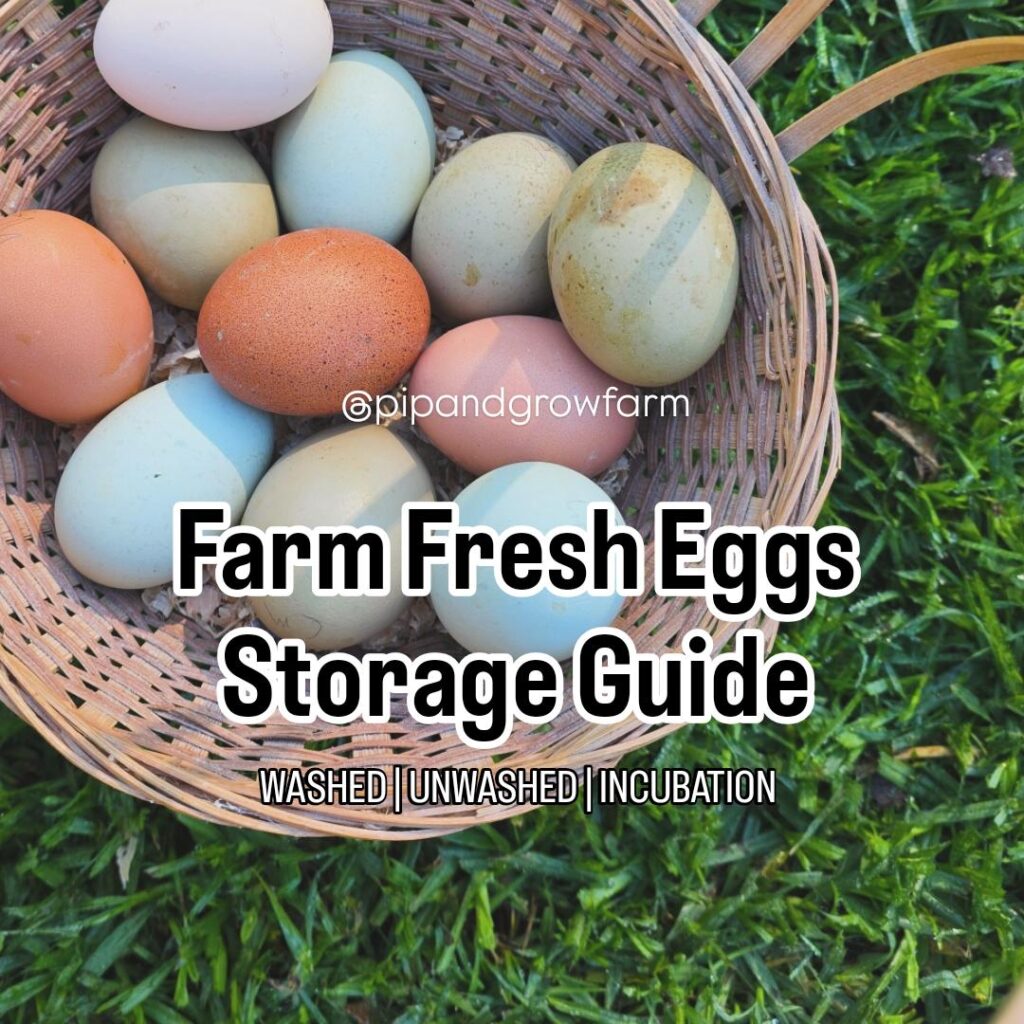
When it comes to storing farm fresh eggs, the rules are quite different from what we are used to with commercial grocery store eggs.
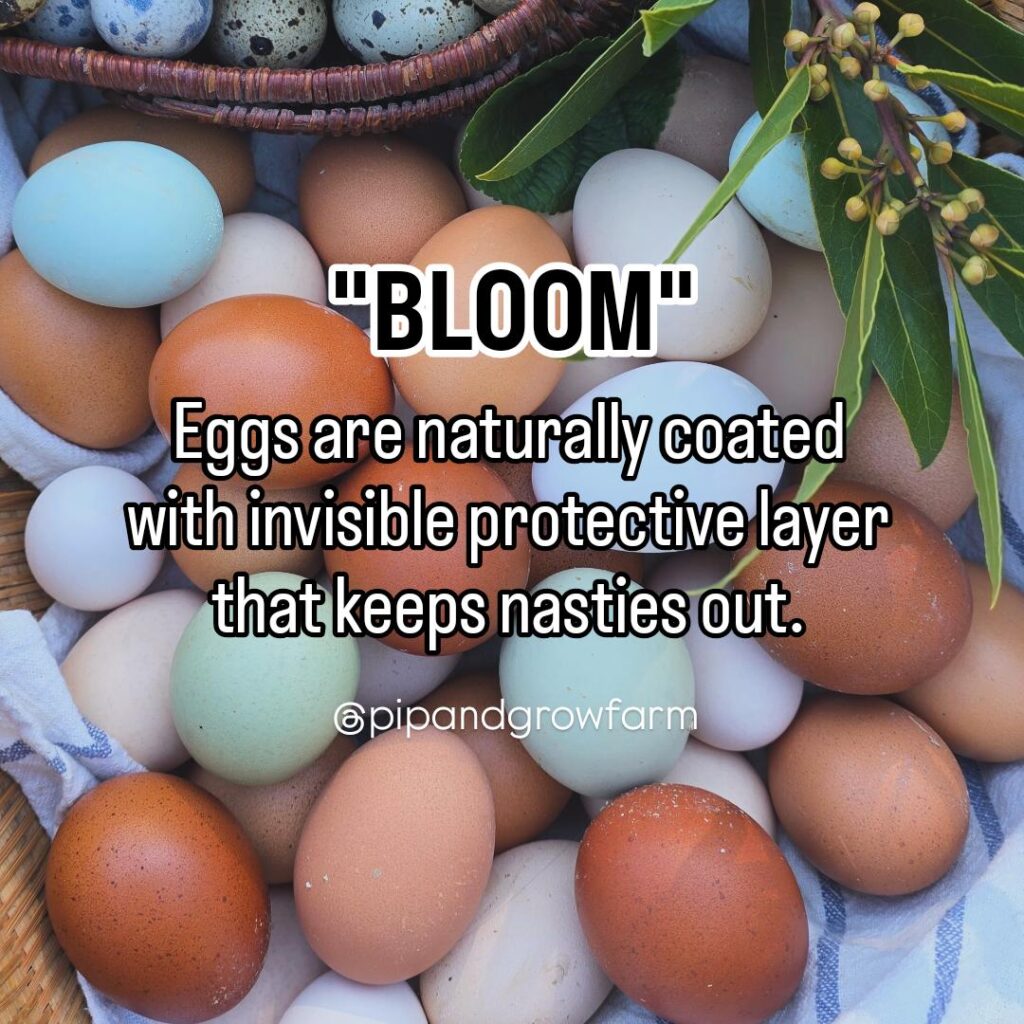
The secret lies in a brilliant natural defense called the “bloom” or cuticle. When a hen lays an egg, she coats it in an invisible protective layer that completely seals the microscopic pores of the shell, keeping moisture in and harmful bacteria out.
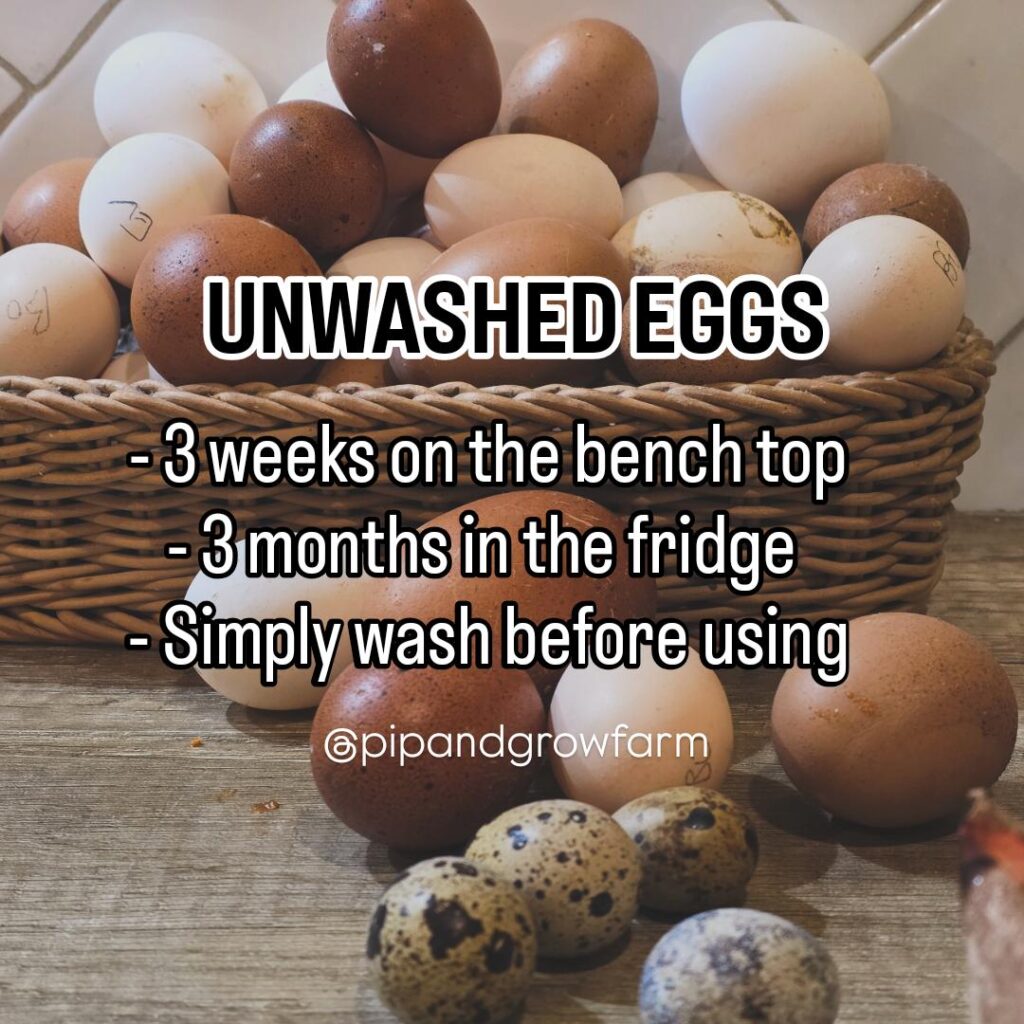
Because of this incredible bloom, unwashed, freshly collected eggs are perfectly safe to keep right on your kitchen benchtop. They will happily last there for a few weeks at room temperature. However, if you choose to wash your eggs, that protective seal is immediately removed.
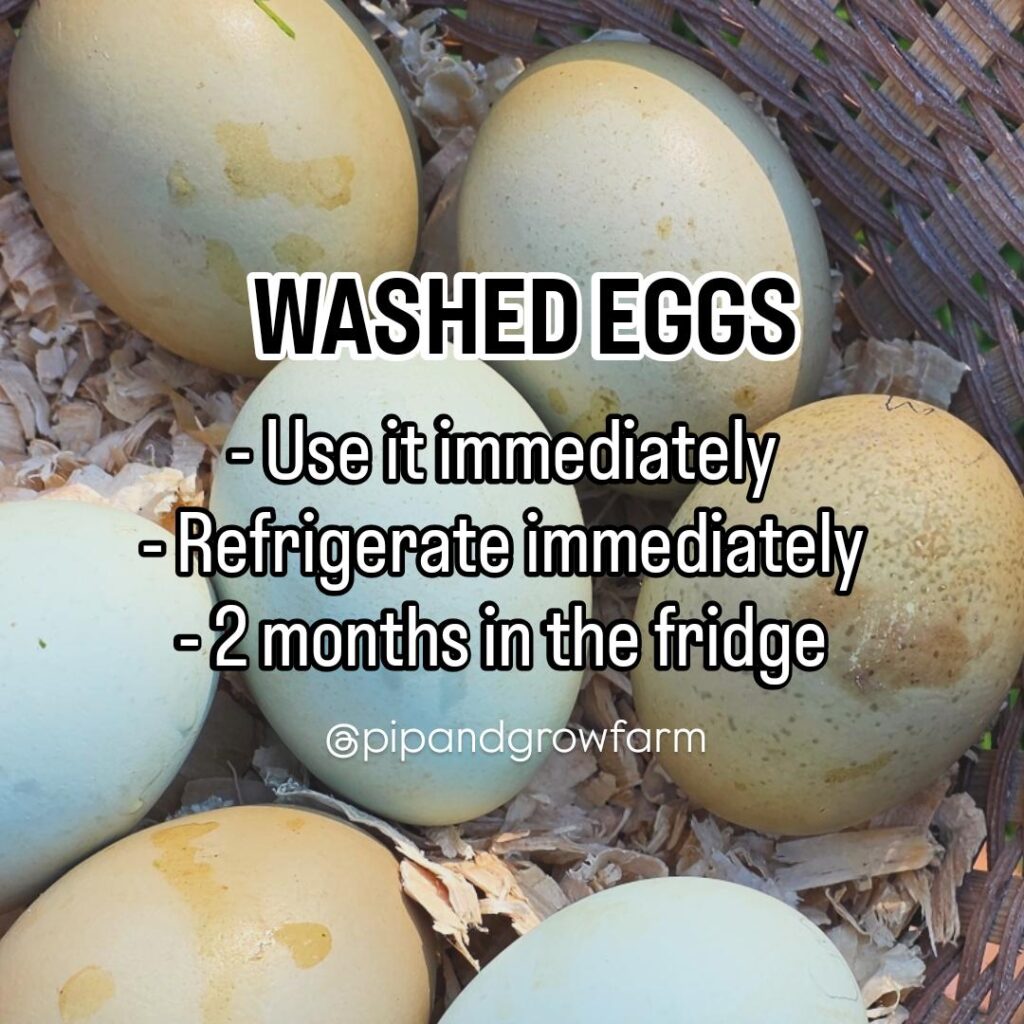
Once washed, they must either be used immediately (within two hours) or stored in the refrigerator, where they can last for several months.
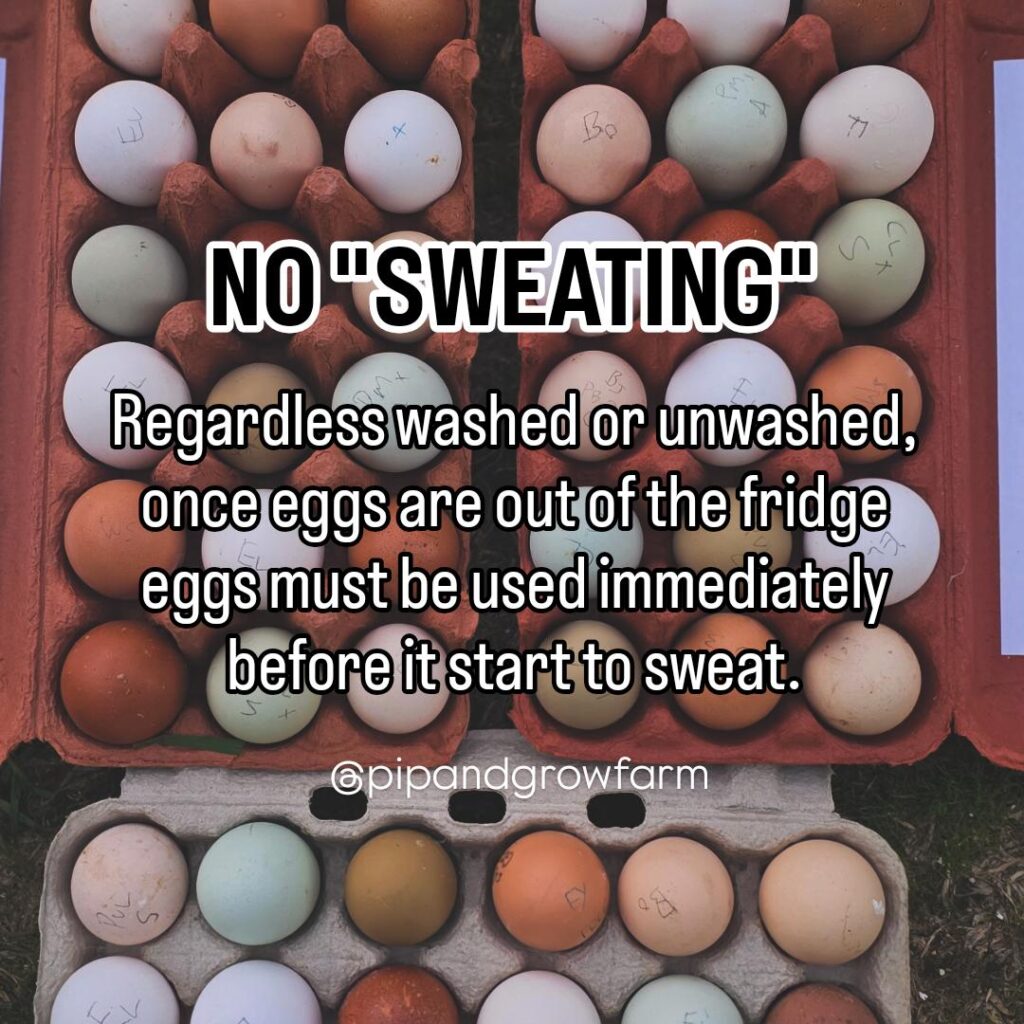
Regardless washed or Unwashed, once eggs are outside fridge use it immediately, a cold egg left out at room temperature will start to sweat, increasing the growth bacteria in the eggs, which isn’t ideal. For us, we go through eggs fairly fast, we prefer leaving them unwashed on the bench until right before we are ready to cook them.
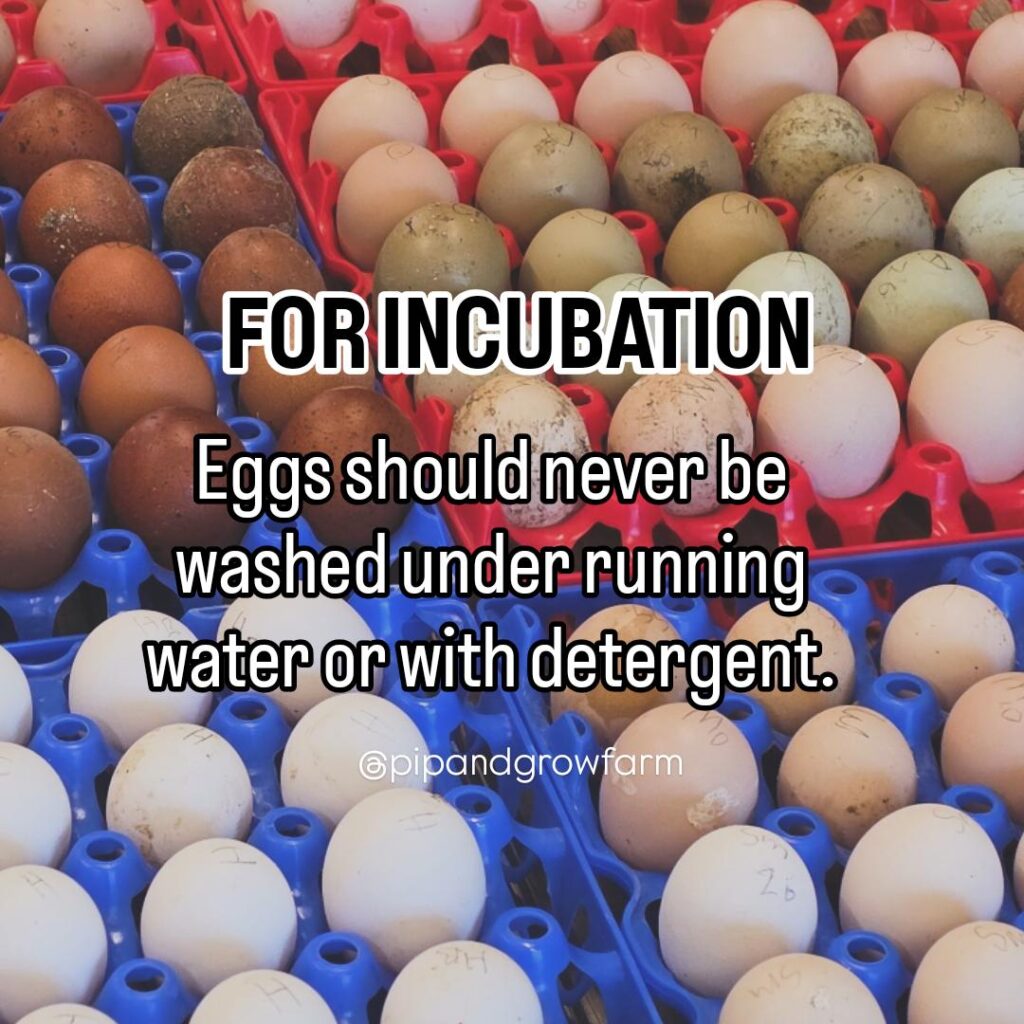
Storing eggs for incubation, however, is a completely different story. To keep those dormant “chicken seeds” viable for hatching, we need to safely pause their development until we are ready. They should never be washed under running water or with detergent. Since this removes the bloom, bacteria can entre through pores possibly harm developing embryo. We recommend a gentle dry scrub for any dirty spots.
For sanitisation, a light surface mist with F10SC or hydrogen peroxide allowed to fully air dry is ideal. Storage requires a draft free environment with a steady temperature of around15°C & relatively high humidity.
For hatching, eggs must always be kept “pointy end” down. This keeps the internal air cell perfectly stable at the blunt top, which is vital for the chick’s respiration right before it hatches. If we are holding these eggs for a few days before placing them in the incubator, we gently tilt them daily to prevent the delicate internal structures from settling to one side of the shell.
Whether you are planning a breakfast or preparing for a brand new generation of chicks, proper storage makes all the difference, so let’s get it right.