
hatching eggs. Let’s separate the fact from the fiction in the poultry world.
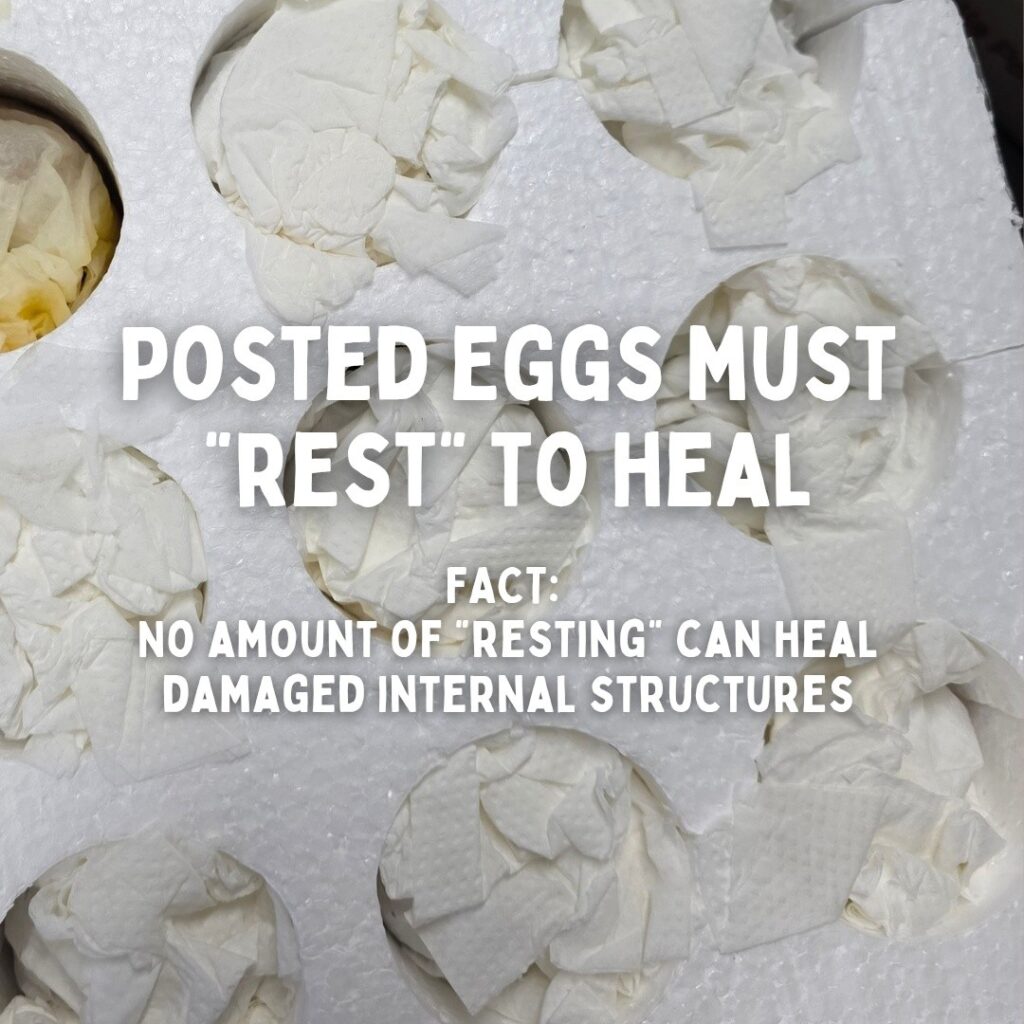
Myth 1: Posted eggs must “rest” to “heal.”
FACT: No amount of “resting” can heal damaged internal structures (like detached air cells or ruptured membranes) caused by postal shock. “Resting” only makes the egg a day older, which decreases hatch probability. We set our posted eggs immediately on a stable turner.
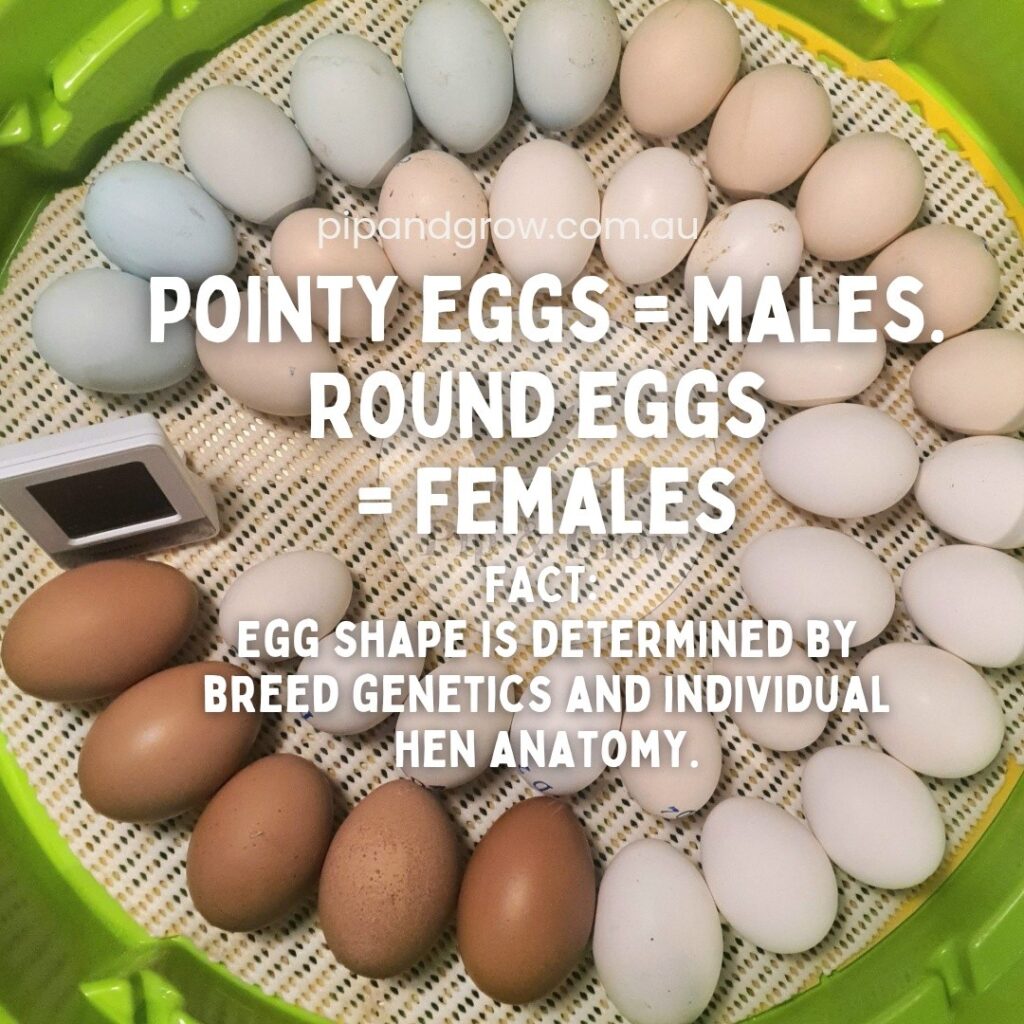
Myth 2: You can tell sex by egg shape.
Egg shape is determined by breed genetics and individual hen anatomy. It has absolutely zero correlation to the sex of the chick. While we were visiting a commercial hatchery where it hatches 10000s of various breed chicks daily, we had a chance to speak to a professional vent sexers who have been in working as a commercial sexers around the world for over 25 yrs+. They all have confirmed that egg shape sexing is a complete Myth. Most importantly, If this egg shape method is accurate they current commercial industry wouldn’t be spending millions of $ developing/installing ovo sexing as we speak.
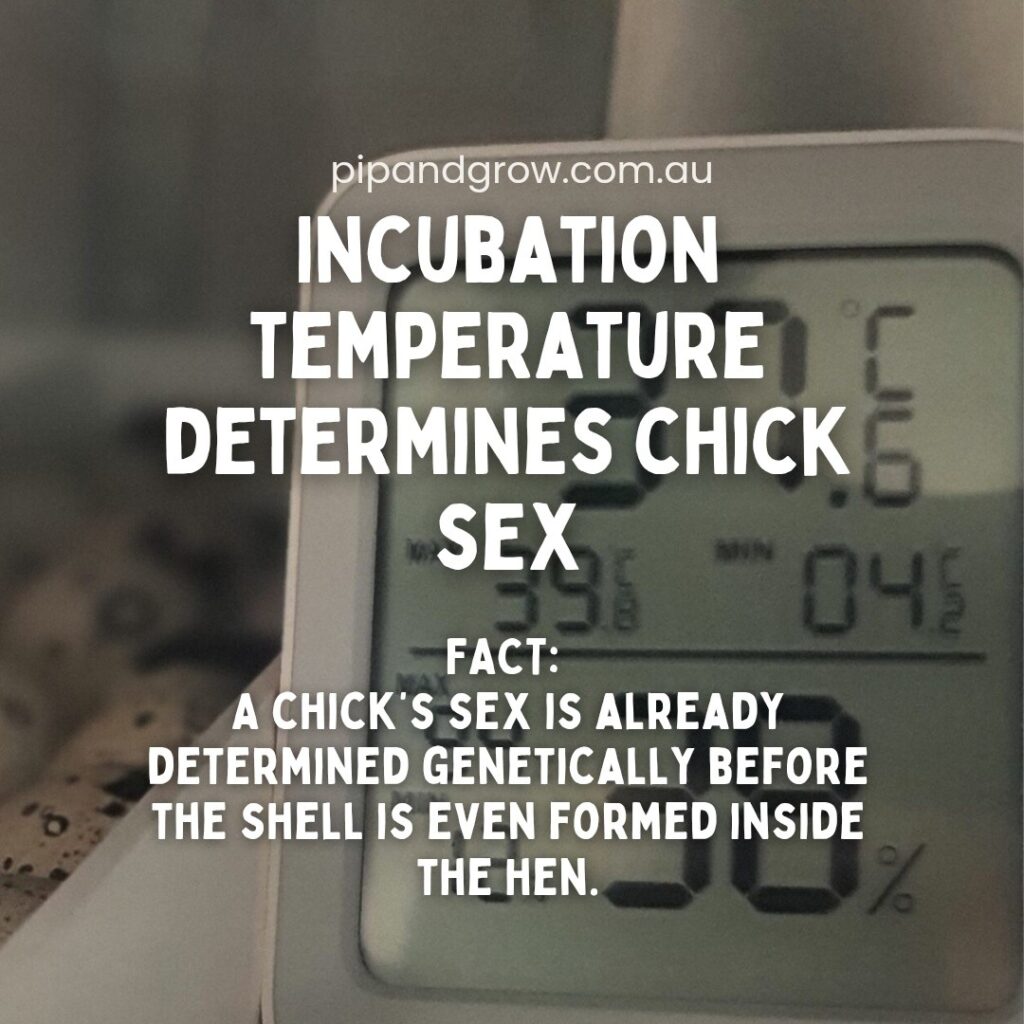
Myth 3: Incubation temperature manipulates sex.
FACT: Chickens are birds, not temperature-dependent reptiles (like turtles or alligators). A chick’s sex is already determined genetically before the shell is even formed inside the hen. The only result of incorrect incubation temperature is a weak hatch, late hatch, or no-hatch at all.
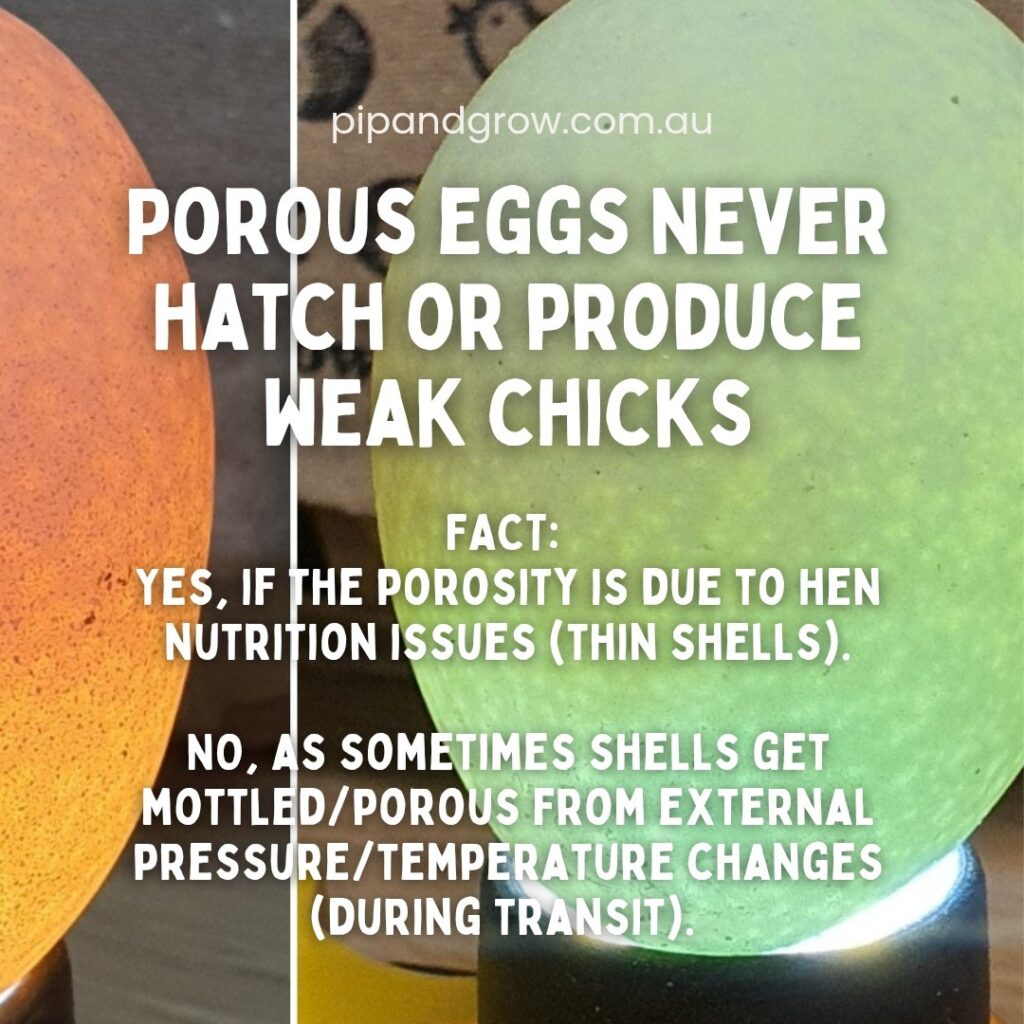
Myth 4: Porous eggs never hatch.
FACT: YES, if the porosity is due to hen nutrition issues (thin shells). These introduce bacteria and lose moisture too fast. NO, as sometimes shells just become very porous due to external pressure/temperature changes (during transit). These can still develop just fine and hatch healthy chicks. Based on our observations in the past years certain breeds and specific lineages tend to produce more porous eggs than others regardless of nutrition, yet the chicks hatch just fine.
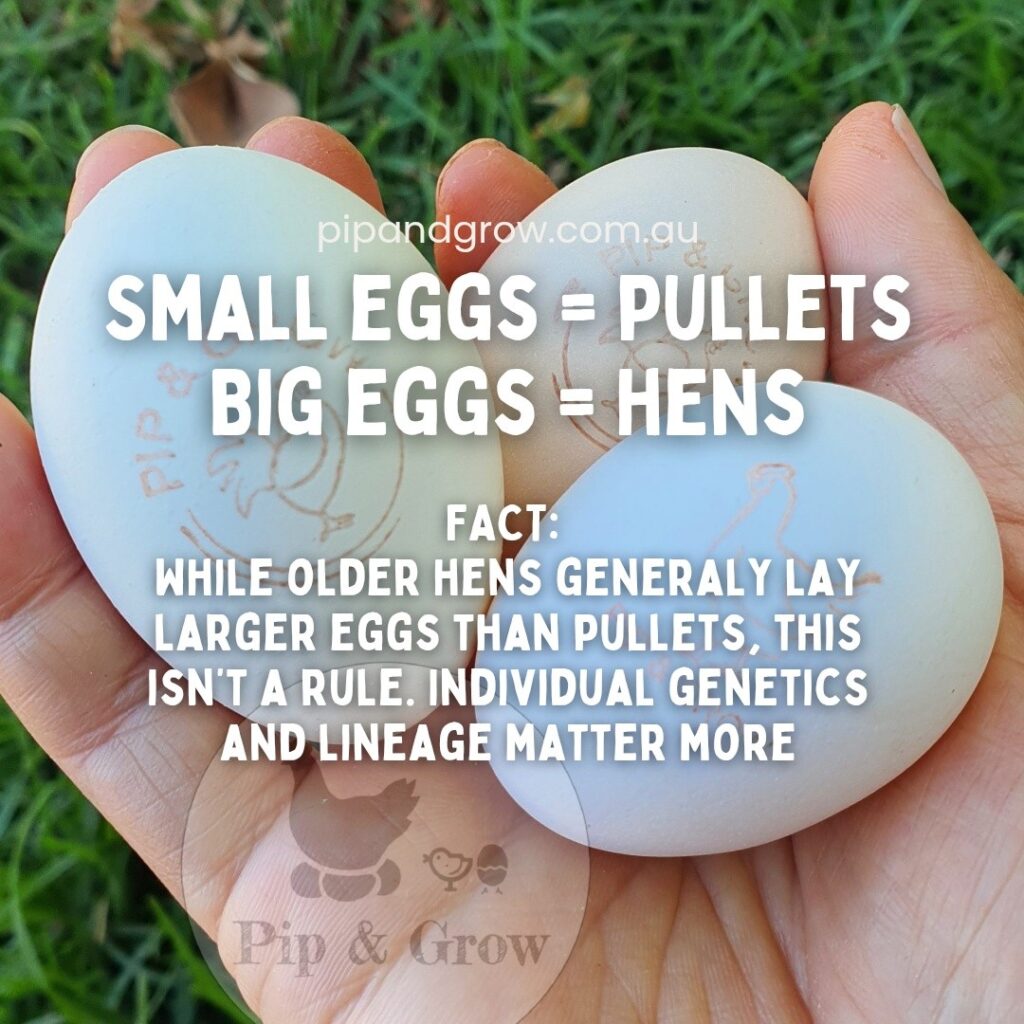
Myth 5: Egg size tells you the hen’s age.
FACT: While older hens generally lay larger eggs than pullets, this isn’t a rule. Individual genetics and lineage matter more. The same hen will produce different size eggs. We have also noticed in some cases, egg size decreases naturally towards the end of season.
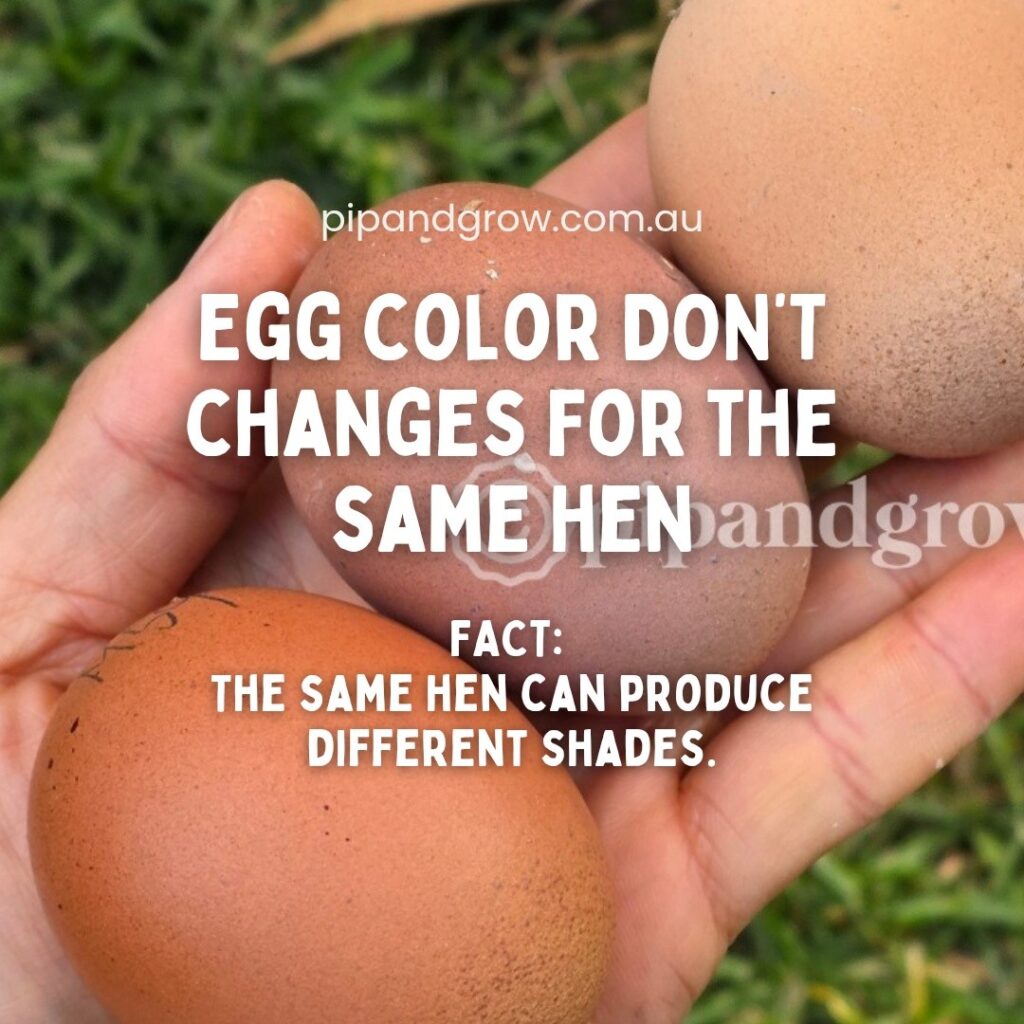
Myth 6: A hen’s egg color is permanent.
FACT: Age, nutrition, stress, time of day, and how long the egg was in the “pigment gland” all affect the shade of the bloom and shell. The same hen can produce different shades.