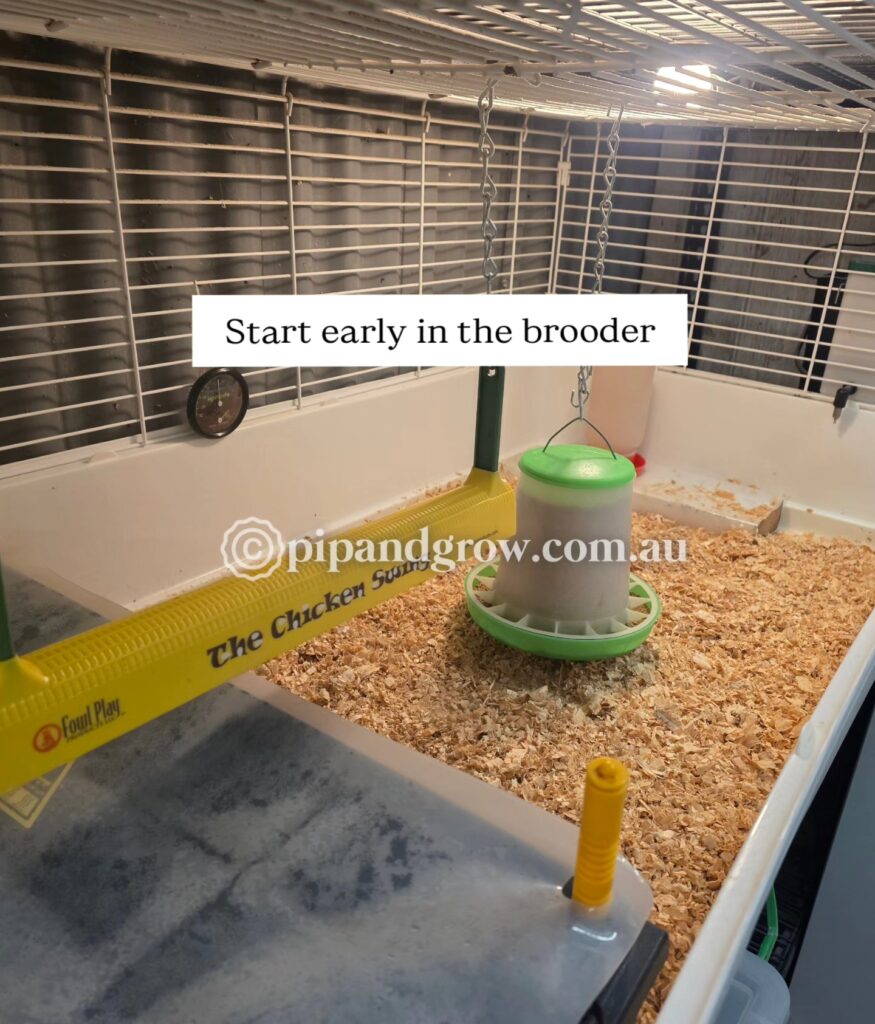
1. Start them young. Even while they are in the brooder, provide objects they can jump and hop on. Letting them get accustomed to varying heights early makes a significant difference.

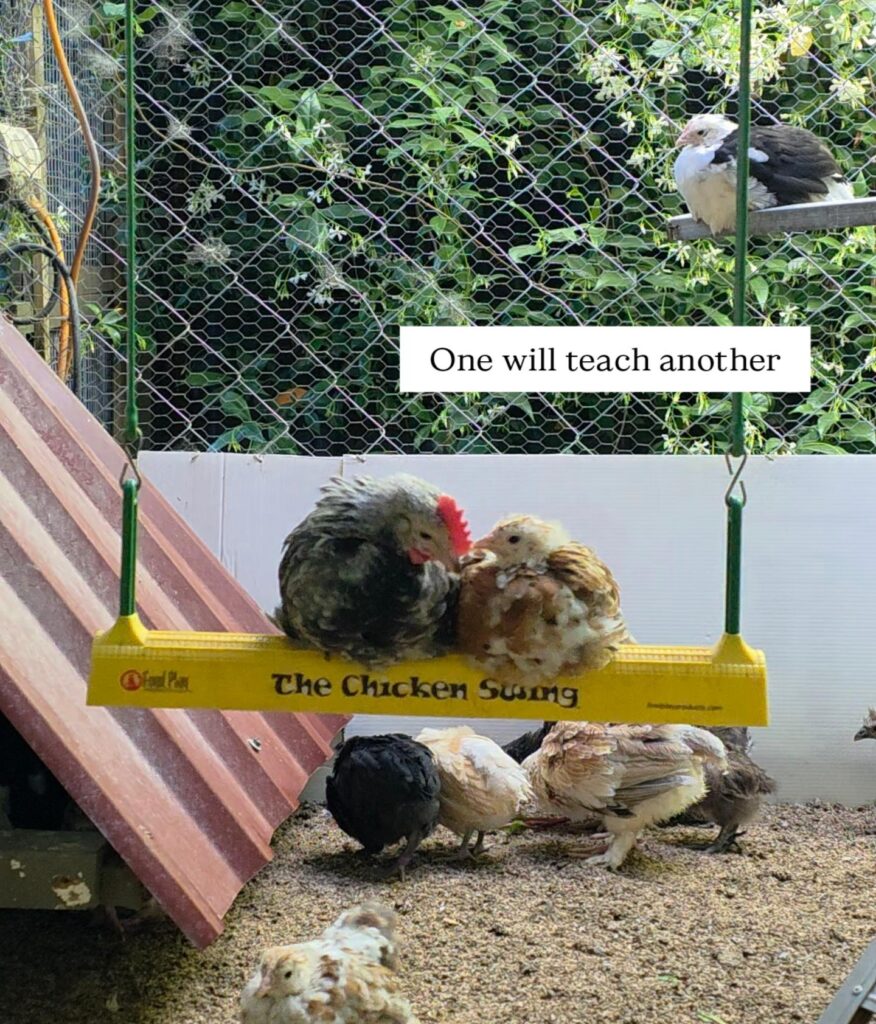
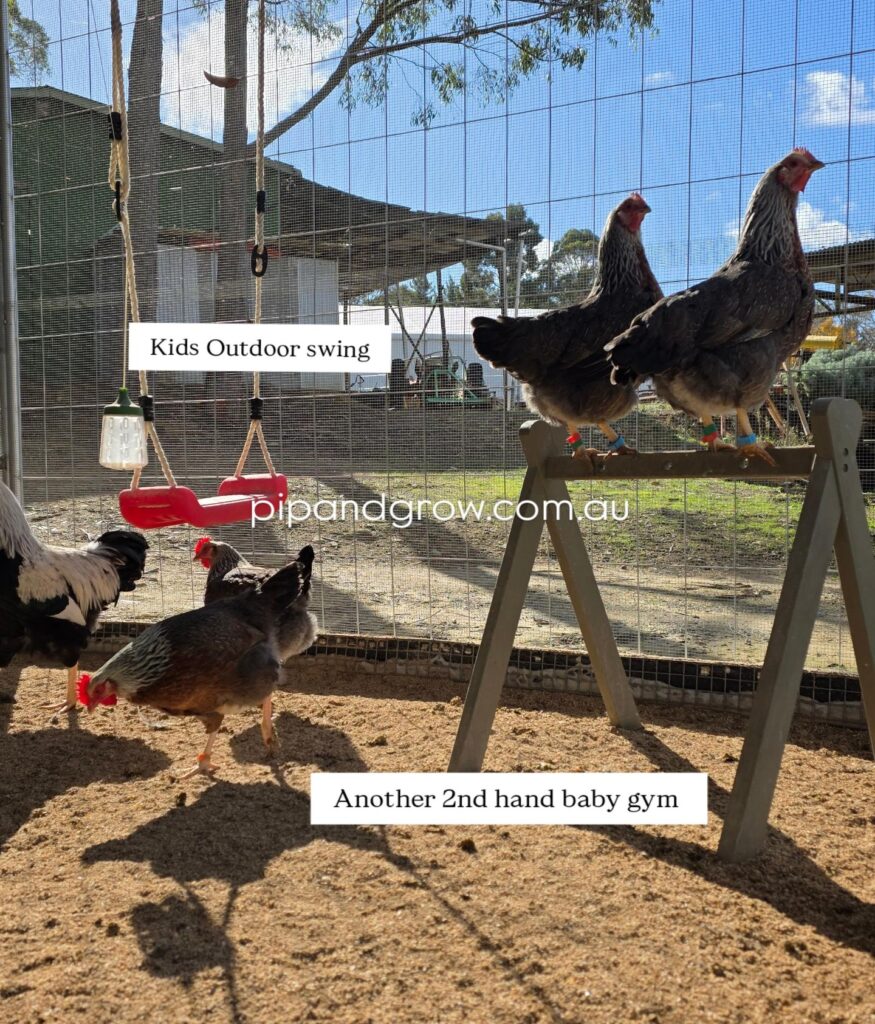
2. The most critical window is right when they move out of the brooder. These little ones are brave, adventurous, and absorb new skills like sponges. Provide roosts of different heights, ramps, and even swings. There is always one particularly brave bird who will venture out and lead the way for the more hesitant members of the flock.
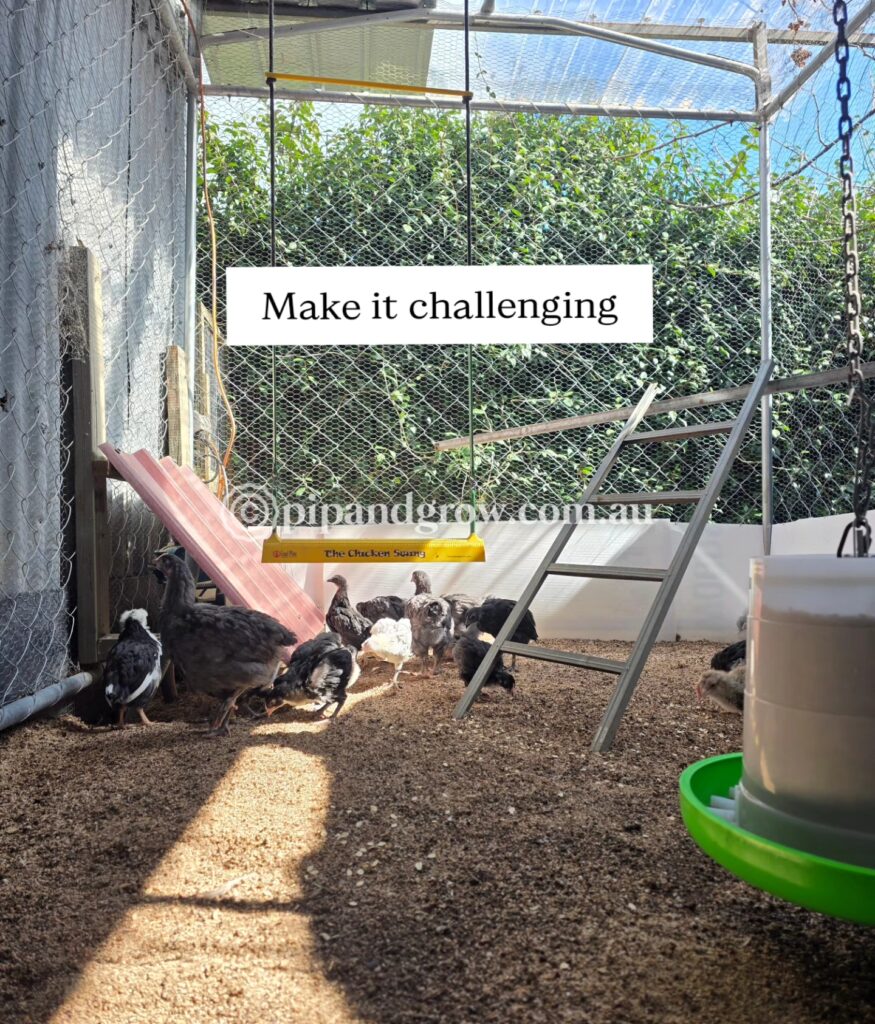
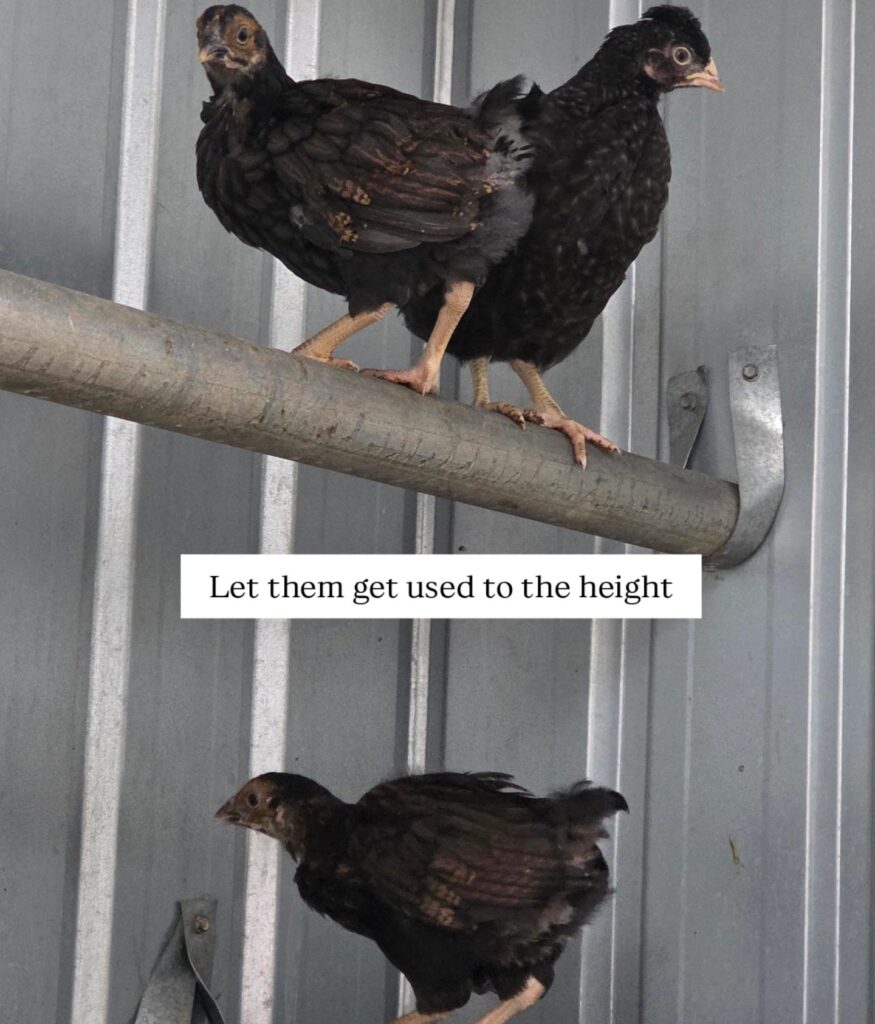
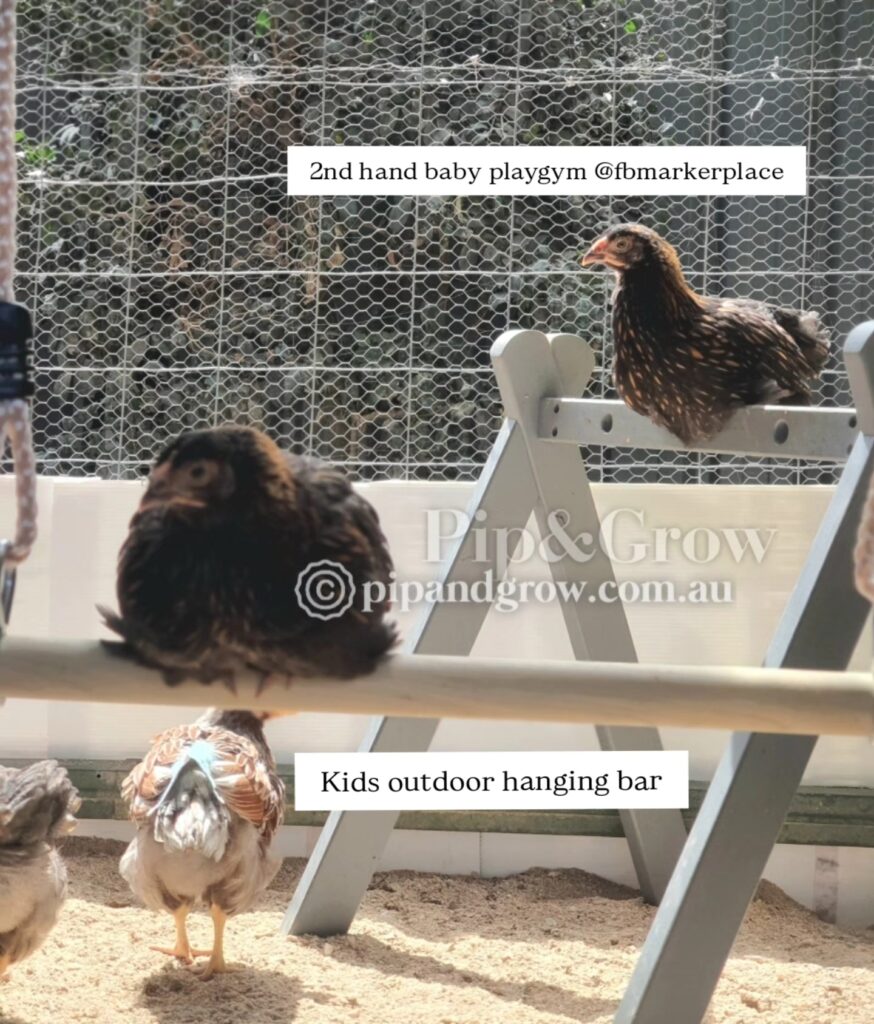
3. Timing is everything. We find that the roosting habit needs to be firmly established somewhere between 6-12 weeks of age. Once they form a habit of sleeping on the floor, it becomes incredibly challenging to correct, as they simply accept the ground as their normal bed.
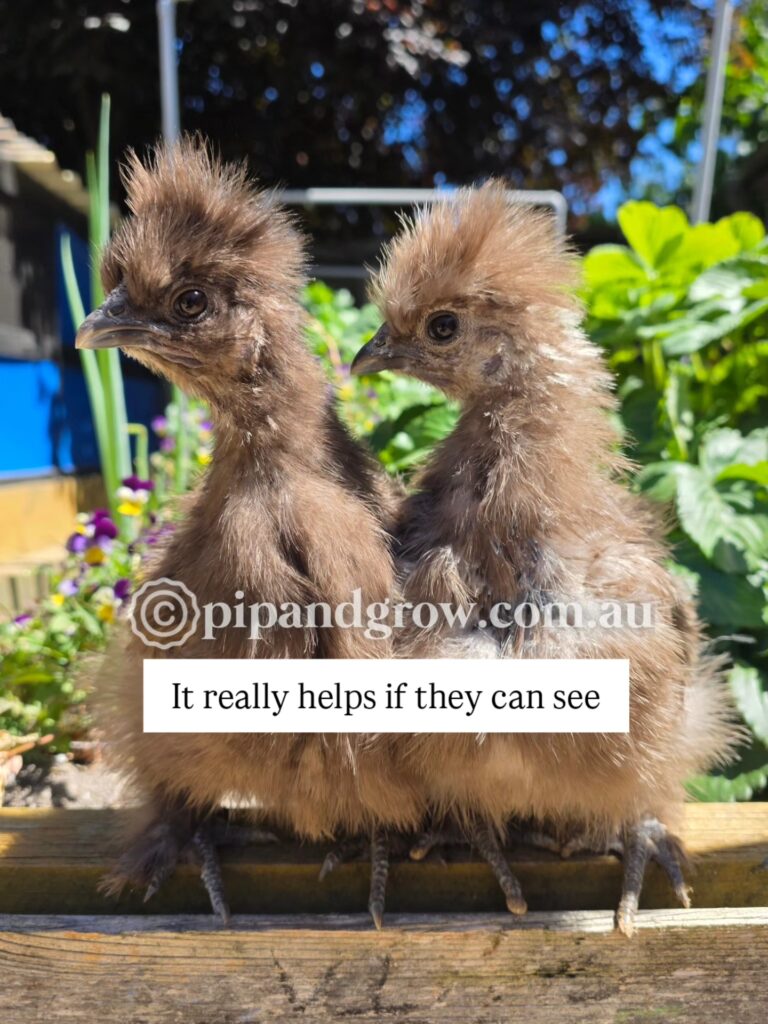
4. If you keep crested breeds like Silkies or Polish, carefully trimming the feathers around their eyes when they are young truly helps build their confidence with heights and improves their overall behavior. Once they master the roosting routine, we can always let their beautiful full crests grow back out.
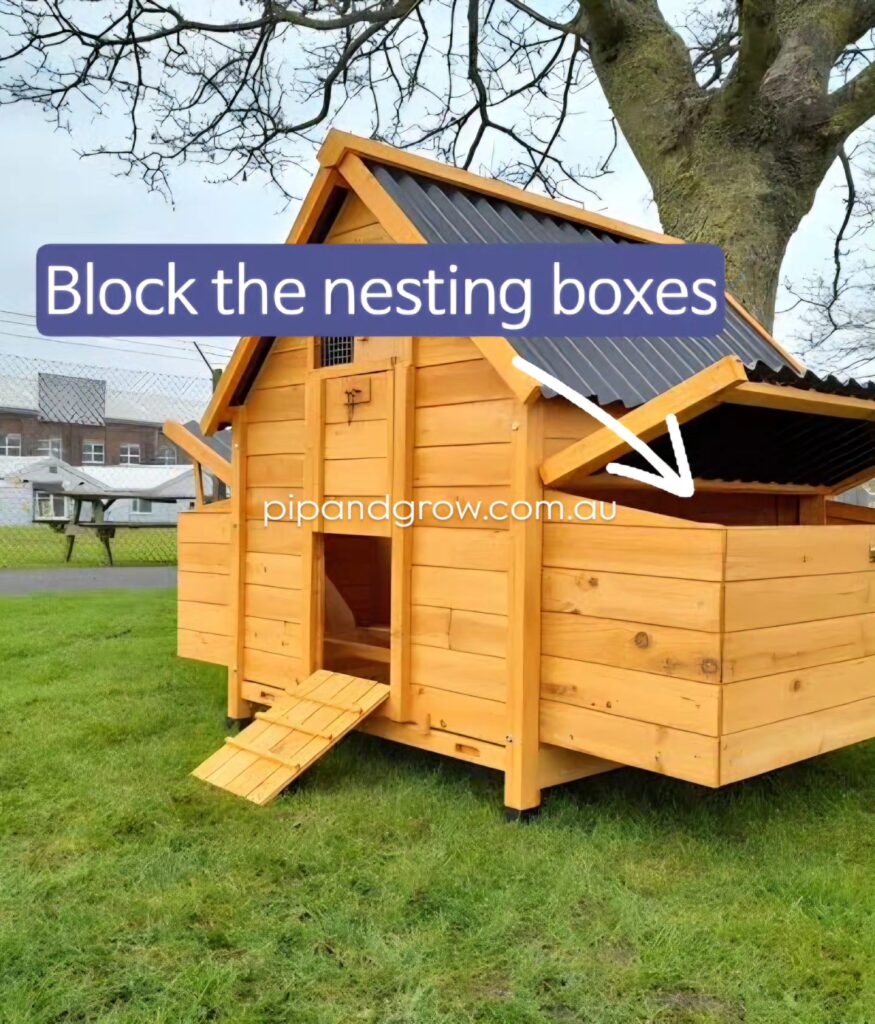
5. Block off the nesting boxes. Young birds are still far from laying age and do not need access to them yet. Nesting boxes are dark, cozy, and inviting, making them the perfect spot for a snuggle. The issue is that they do not just sleep there, they also make a mess. If they establish this habit, your future egg collection will always be soiled. Use some cardboard or empty feed bags to block the entrances, and simply open them up when the pullets are closer to laying age.
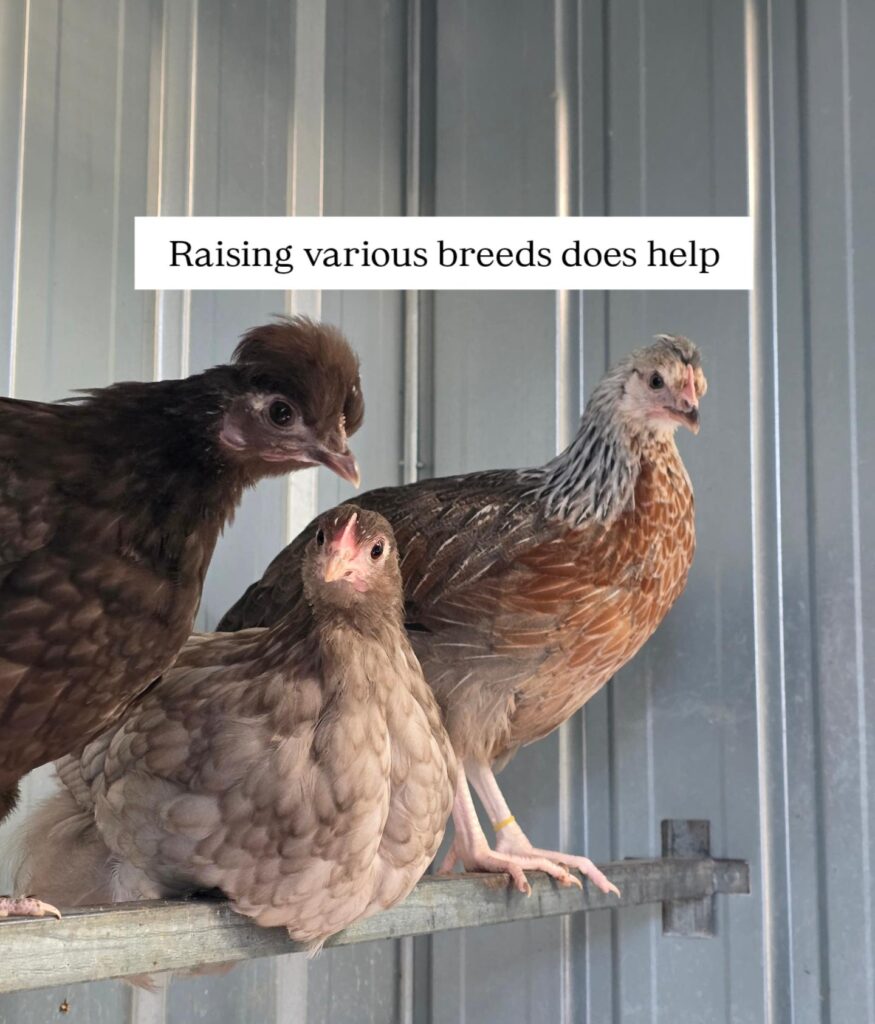
6. Keeping a mixed flock can be helpful. Chickens learn by observing and mimicking one another. For example, when we first began breeding Brahmas and Buff Orpingtons in single breed pens, these heavy & laid back birds simply slept on the ground, copied each other. In the following years, we raised these youngsters alongside other lighter standard breeds. The active birds naturally sought out the roosts, and the heavier birds followed suit. Over the years we have added the trained on into the flock, and now all our pens happily sleep off the ground.
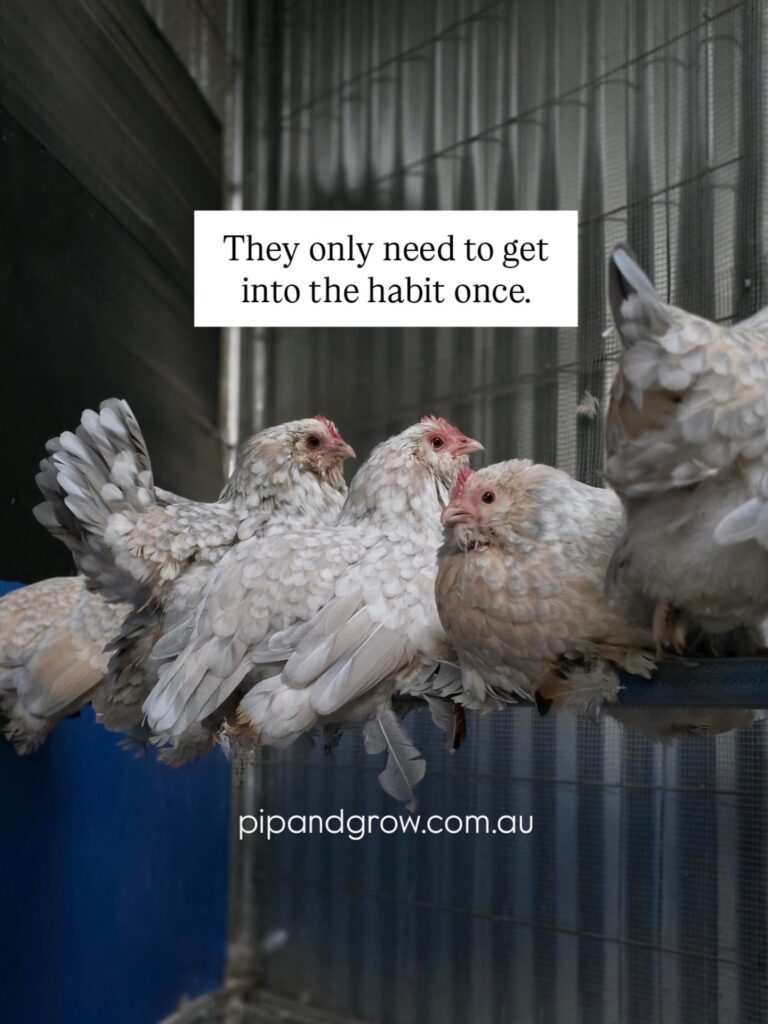
We hope these tips help your young birds figure out their bedtime routine. There is nothing quite like the satisfaction of opening the coop door at night and seeing everyone neatly lined up exactly where they belong.