What’s Happening With The Chooks?
Around late summer to Autumn most chickens (except the early “spring chickens”) will start their annual moult. They shed old feathers and grow fresh new ones for the season ahead.
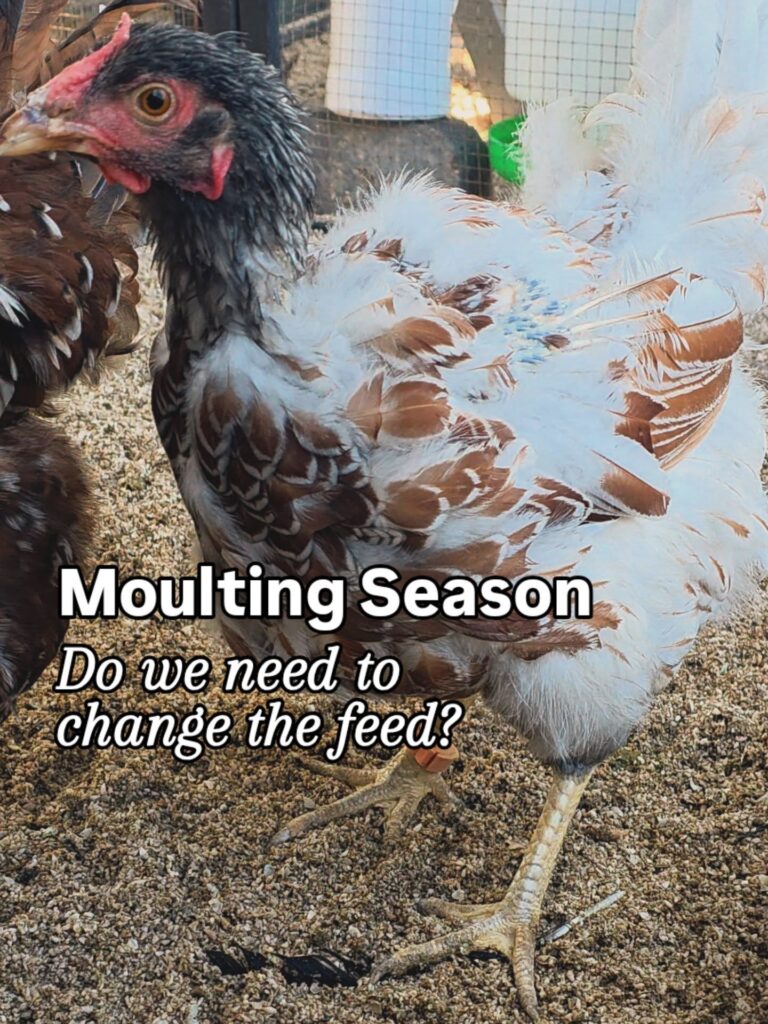
🪶 Signs your chooks are moulting:
- Feathers everywhere in the coop
- Patchy or scruffy looking birds
- Egg production slowing or stopping
- New spiky pin feathers coming through
- Chickens being a bit quieter or not enjoying being handled
- Hens often stop laying because growing feathers takes a lot of protein and energy.
🫶 How can we help? - Balanced diet + fresh water all times as always
- Occasional protein booster will benefit (mealworms, sadines, scrambled eggs etc)
- Keep the coop clean and dry
- Avoid too much handling – new feathers can be sensitive
Most moults last around 6–12 weeks. It might look messy for a while, but soon your chooks will be back looking fluffy and fresh in their new feathers. These fresh fluffy feathers will help keep them warm through the cold winter and have them looking their best for the upcoming breeding season.
See? Mother Nature knows what she’s doing
Do we need to change the feed with more protein?
A. Short answer: Not necessarily.
Long answer:
Normally, if you are feeding a balanced formulated diet, your chooks will go through moult just fine without too much trouble. They usually stop laying eggs, allowing their bodies to divert that energy into growing new feathers.
Yes, a small nutrient boost now and then can certainly help. For example a little sardine, scrambled egg, or mealworms as an occasional treat.
What we wouldn’t recommend is switching to extremely high-protein feeds (such as gamebird, turkey, or meat bird feed) completely for an extended period in the hope it will speed things up.
Chickens still need a balanced diet, and there is definitely such a thing as too much protein for chooks. Excess protein can put unnecessary strain on their system and doesn’t mean they will grow feathers any faster.
 Chickens cannot store excess protein. When they consume more than they need, the body must break it down and excrete the waste (mainly uric acid) through the kidneys. Constantly high protein can put extra strain on the kidneys, especially in older birds or birds already under stress.
 Excess protein often results in looser droppings with higher nitrogen content, which can make manure smell stronger and produce more ammonia as it breaks down.
 Because droppings can become wetter, bedding may get dirty faster and the coop can smell more quickly. Ammonia build-up in the litter can also irritate their feet and damage the skin if the coop isn’t cleaned regularly.
 Once chickens receive enough protein for feather development, giving significantly more doesn’t speed up the process. Their bodies will simply excrete the excess.
Stick with a balanced feed made for chickens + fresh water all times. There’s no need to change feeds — just offer small nutrient boosts occasionally. The mother nature engineered it well for their body. Don’t overthink.
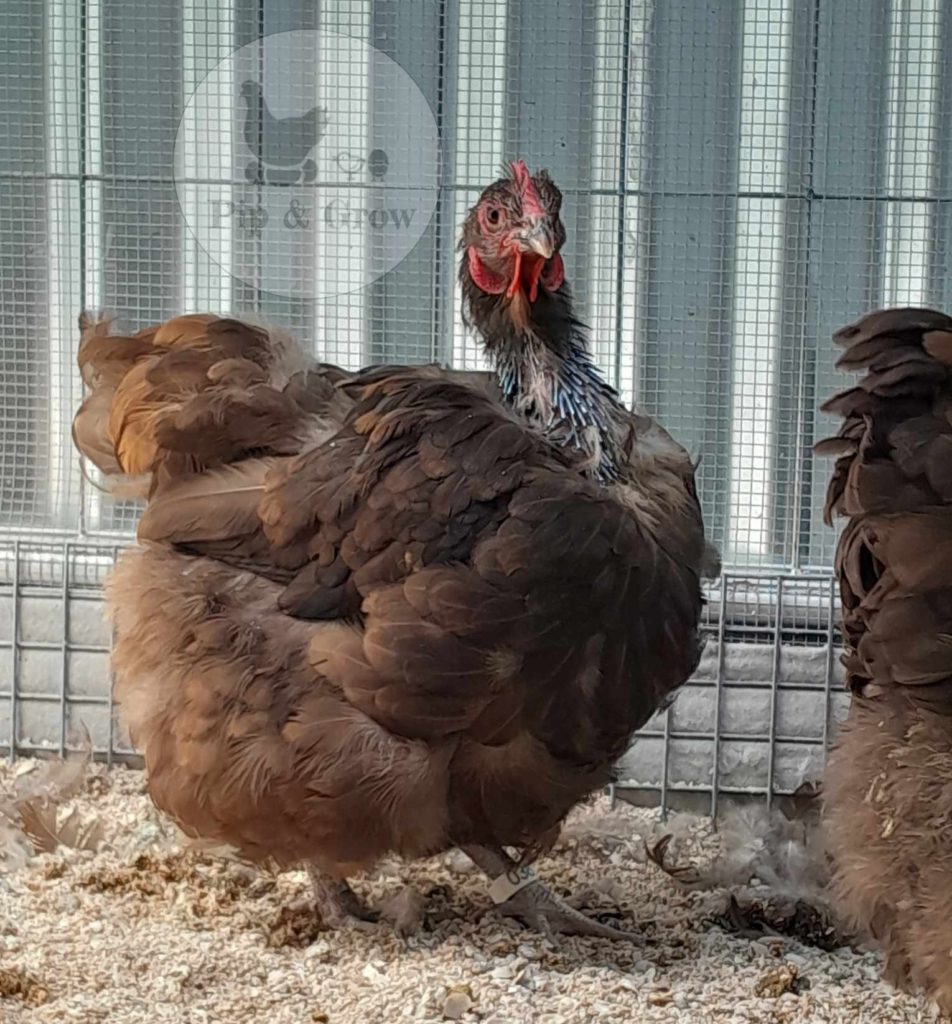
How long does moulting take to finish?
Here is the biological timeline you need to know. A full hard moult takes an average of 8 to 12 weeks (sometimes up to 16 weeks for older birds).
Stage 1: Hasn’t Started (or just beginning).
The drop usually starts at the head and neck, moving down the back, breast, and finally the tail.
Stage 2: Halfway (Weeks 4-8).
The “Ugly” phase. They have dropped massive amounts of feathers and are covered in waxy, spiky pinfeathers. Zero eggs here. A chicken physically cannot produce a 10% protein egg while simultaneously growing an 85% protein feather coat. 100% of their energy is going into rebuilding.
Stage 3: Finished (Weeks 9-12+). Fully regrown, tight, glossy plumage.
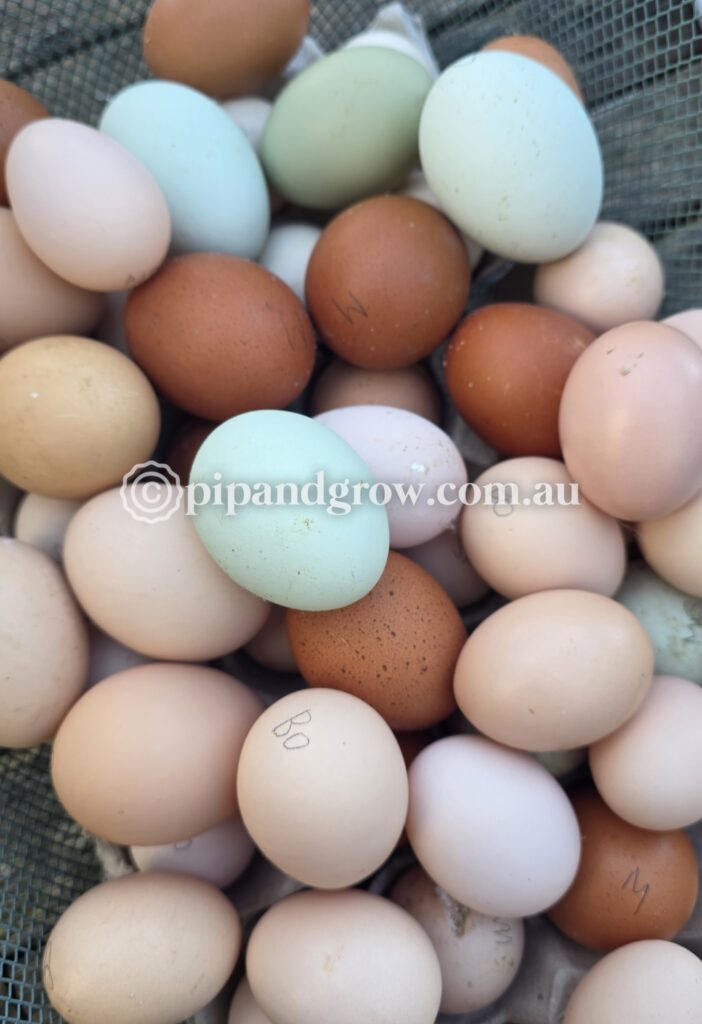
When will they lay eggs again?
Once the moult is completely finished and their new fluffy coats are fully grown in, their bodies will reset. This can take anywhere from a few weeks to a couple of months. By that time, it is usually winter. Hens require about 14 hours of daylight for their hormones to trigger egg production. They will naturally resume laying when their energy is restored, often shortly after the Winter Solstice as the days slowly begin to lengthen again.