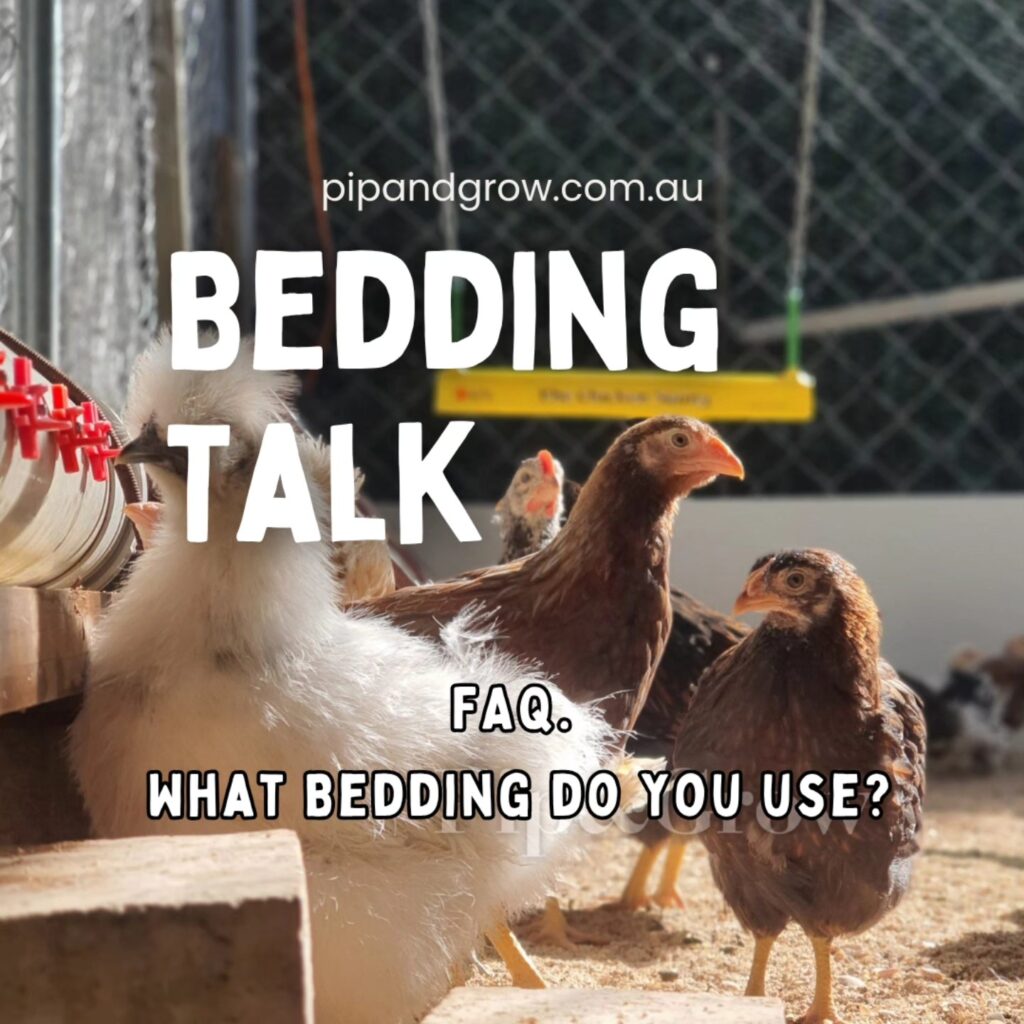
This is one of our most frequently asked questions every time we post a photo of our breeding pens!
Choosing the perfect bedding is one of the biggest flock management decisions you will make. It directly impacts hygiene, odor control, and your flock’s respiratory health. Here is our honest feedback on the bedding types we’ve tried over the years
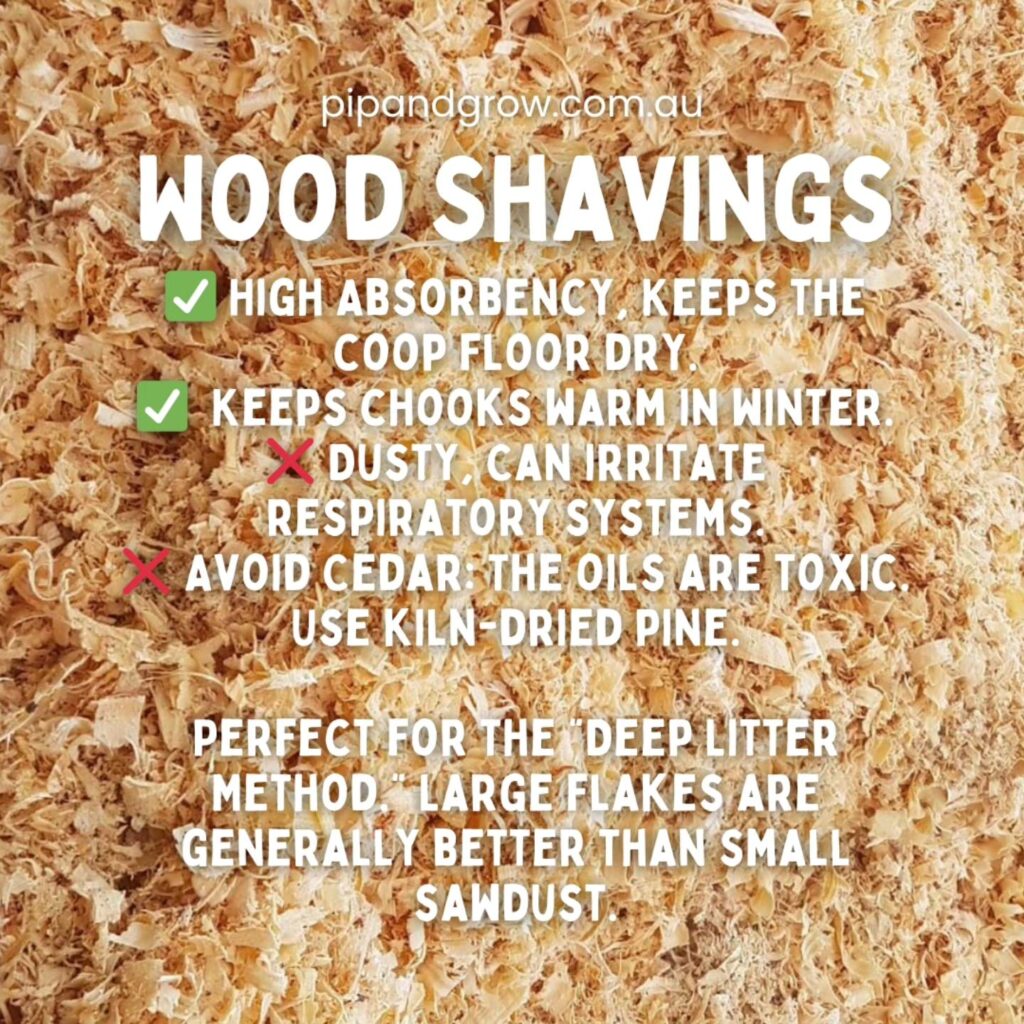
Wood Shavings
The “Deep Litter” favorite (if you use that method—we don’t!). They are highly absorbent but can be dusty. Always opt for kiln-dried, preferably dust-extracted pine. Never use cedar, and if you source shavings from a local woodworking shop, triple-check that they haven’t used treated or painted timbers.
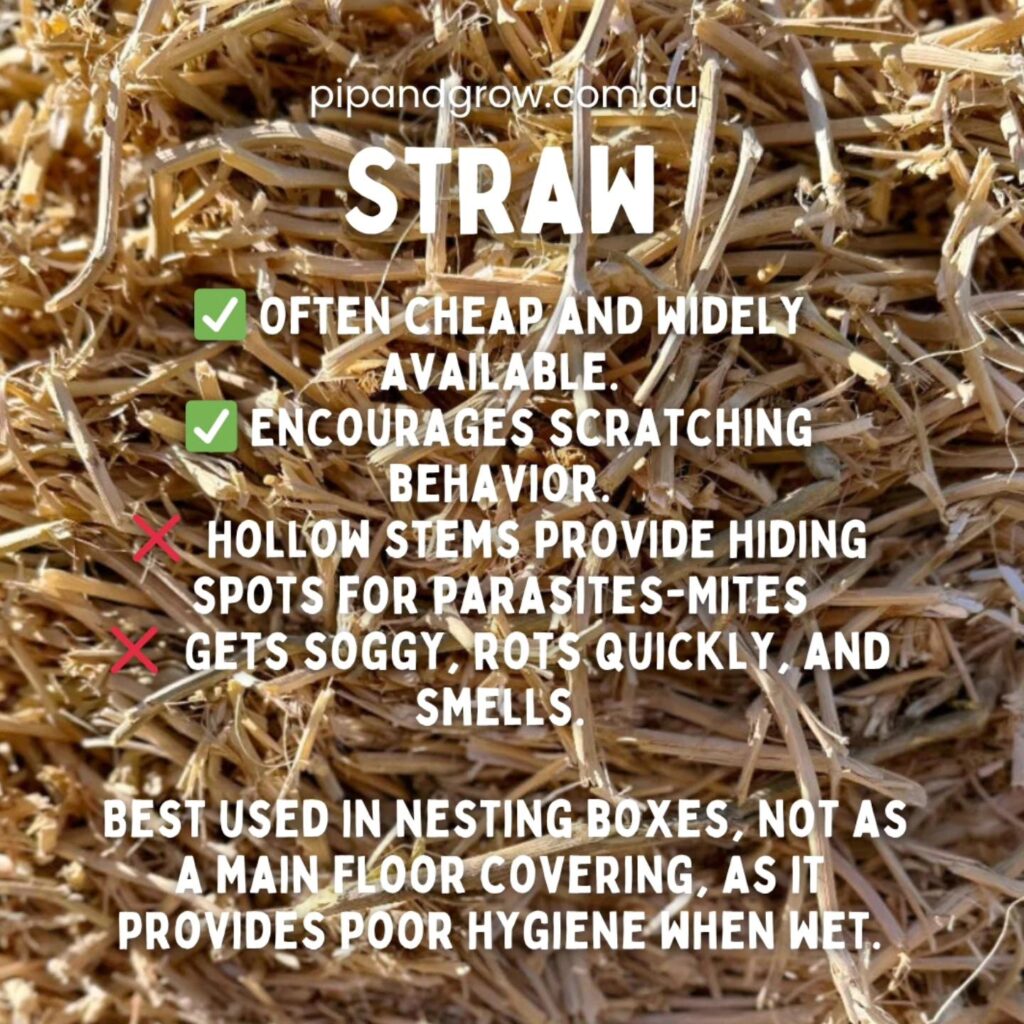
Straw
Often misunderstood! It is wonderful for nest boxes but quickly becomes a mite and odor trap on the coop floor. Instead of absorbing moisture, it tends to rot and becomes extremely heavy and difficult to remove once wet.
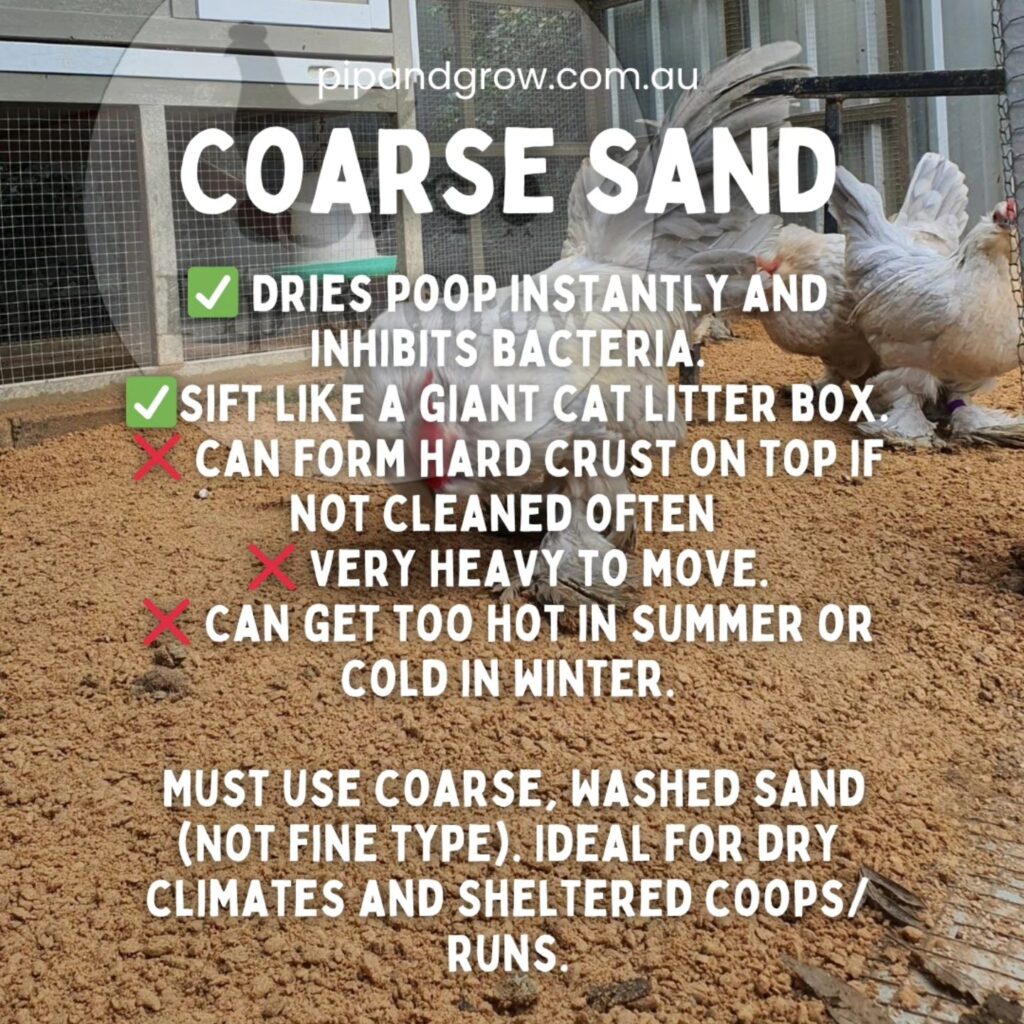
Coarse Sand
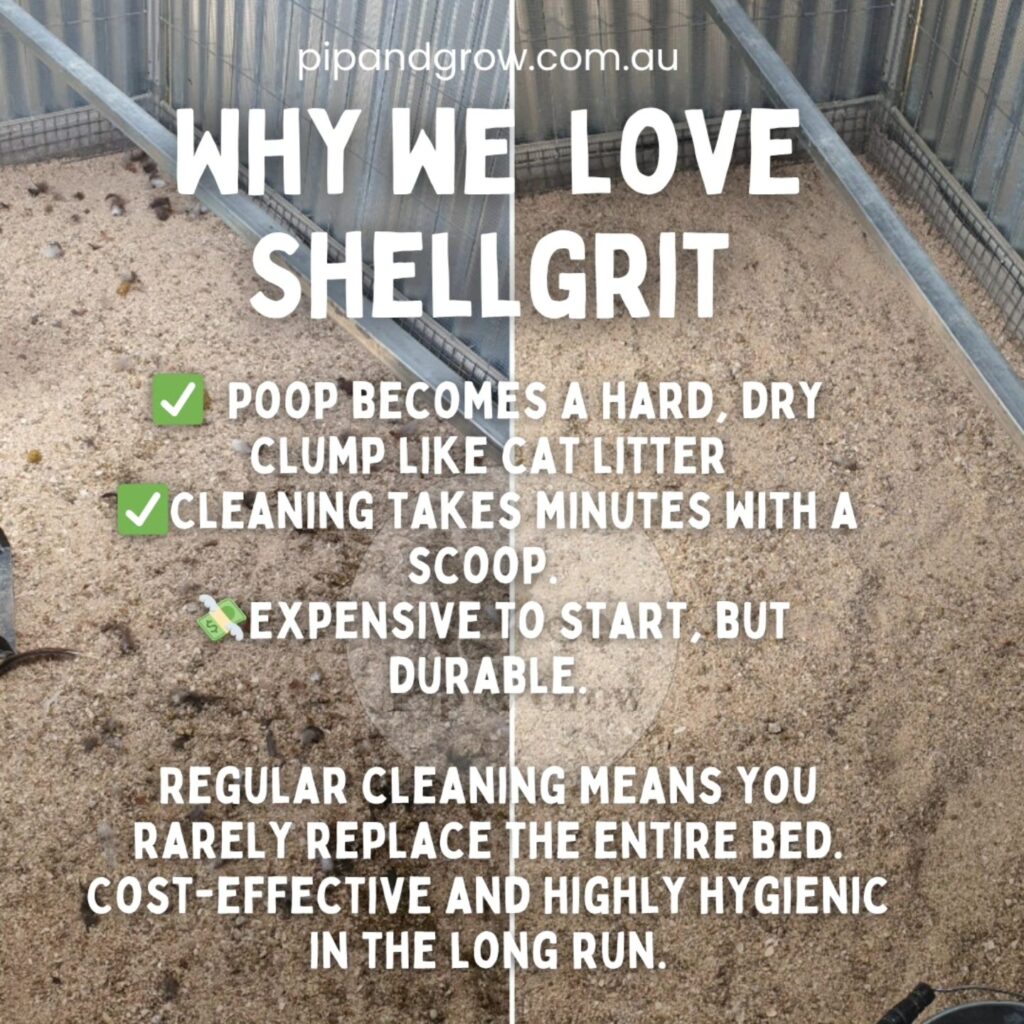
We used this for many years before moving to shellgrit. It’s the hygiene king for dry coops—it dries poop instantly and can be scooped daily like a litter box. However, if you don’t clean it regularly, wet poop will build up and form a rock-hard crust on the surface. It has a heavy initial install and can get very hot under full sun during the warmer seasons. Avoid fine-grade sand, and be cautious with some construction sands as they can occasionally contain foreign objects or heavy metals like lead.
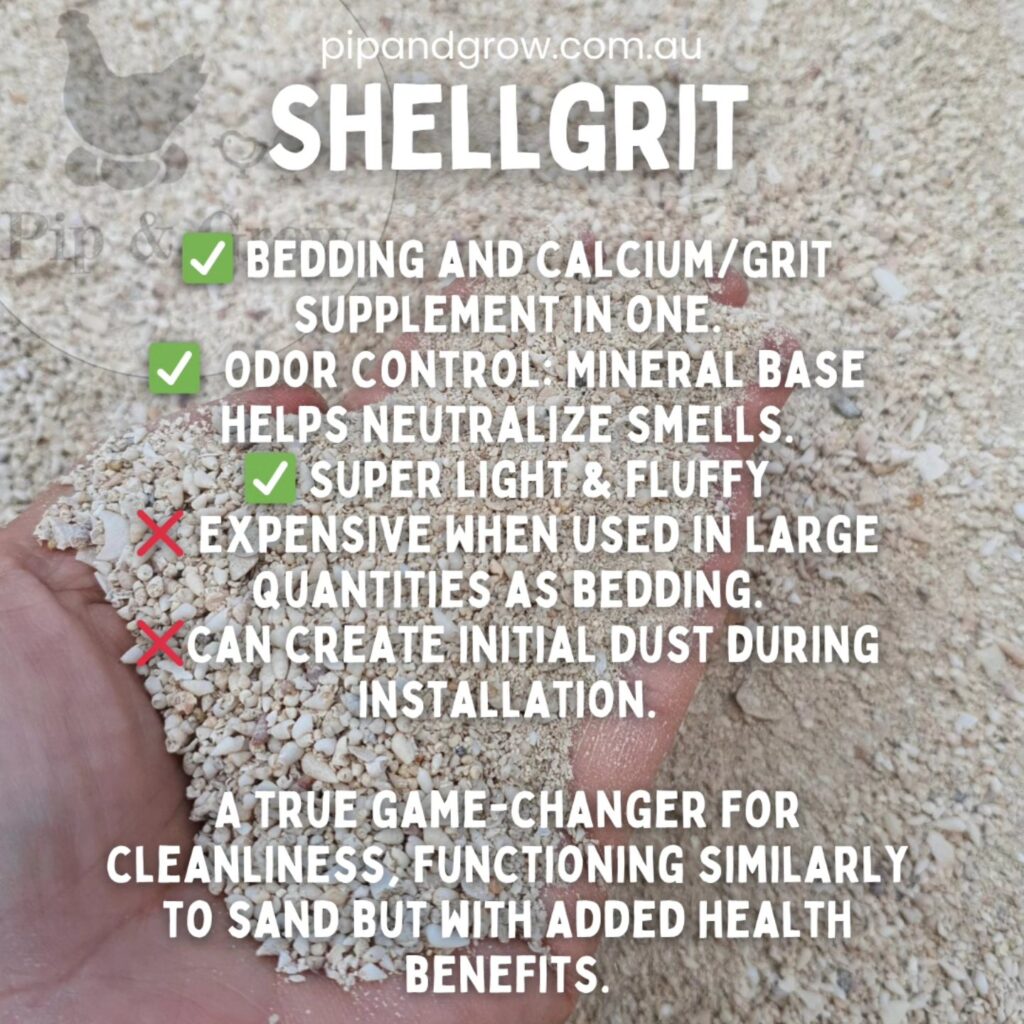
Shellgrit Bedding
This is what we currently use! It acts just like sand but provides a constant mineral and calcium source. It is surprisingly light and fluffy, and it drains moisture beautifully. Unlike coarse sand, it doesn’t retain heat. It is highly hygienic and offers fantastic odor control.