Every Posted Eggs will have internal damage
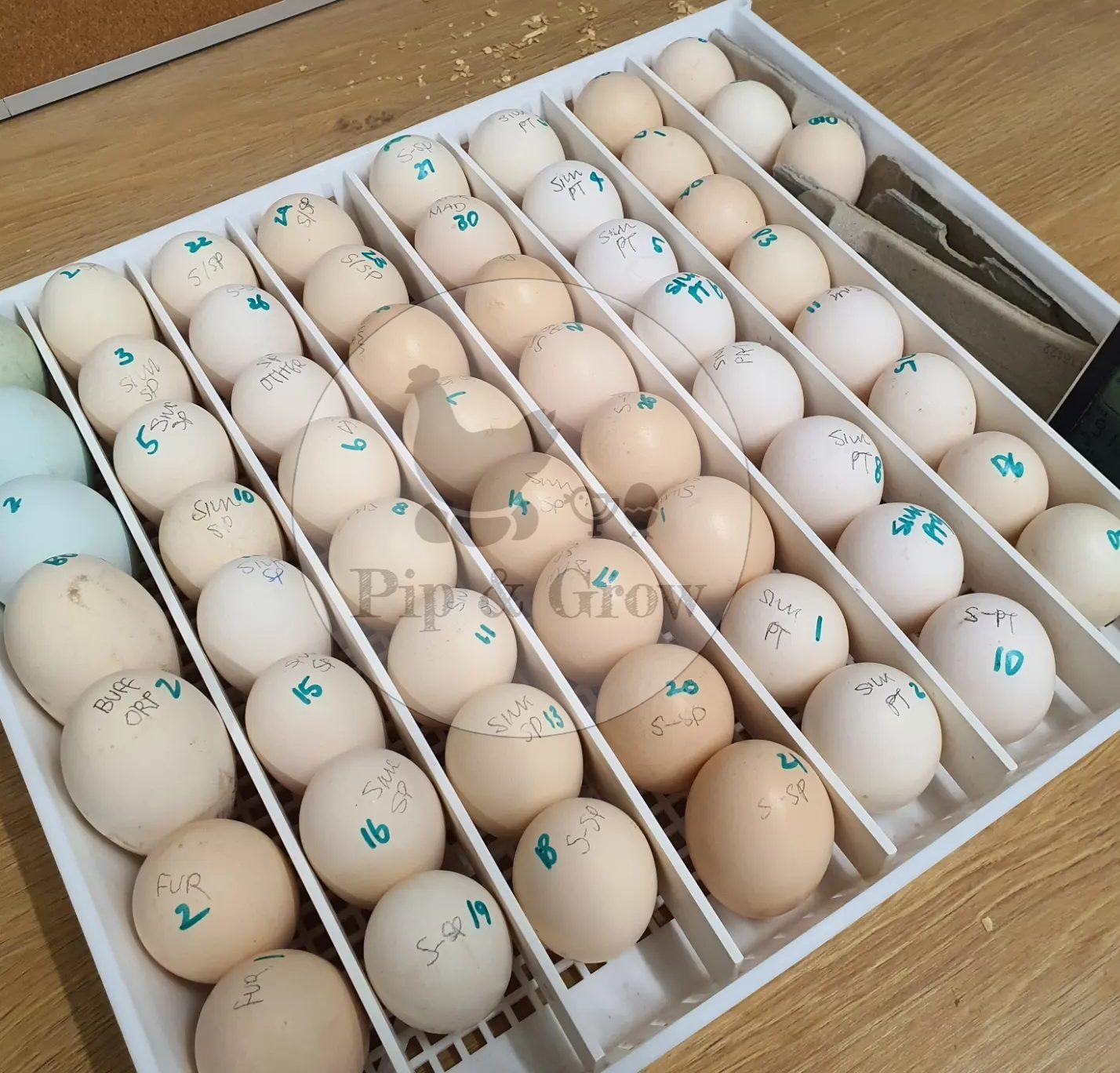
Fertile Eggs with various level of shipping damage
We wanted to share a transparent look at what can occasionally happen when fertile eggs are transported. While they might appear perfectly fine on the outside, candling often reveals the hidden impacts of transit, such as detached air cells or internal membrane damage leading to albumen leakage. Even with the most meticulous packaging, the journey itself introduces variables we cannot always control.
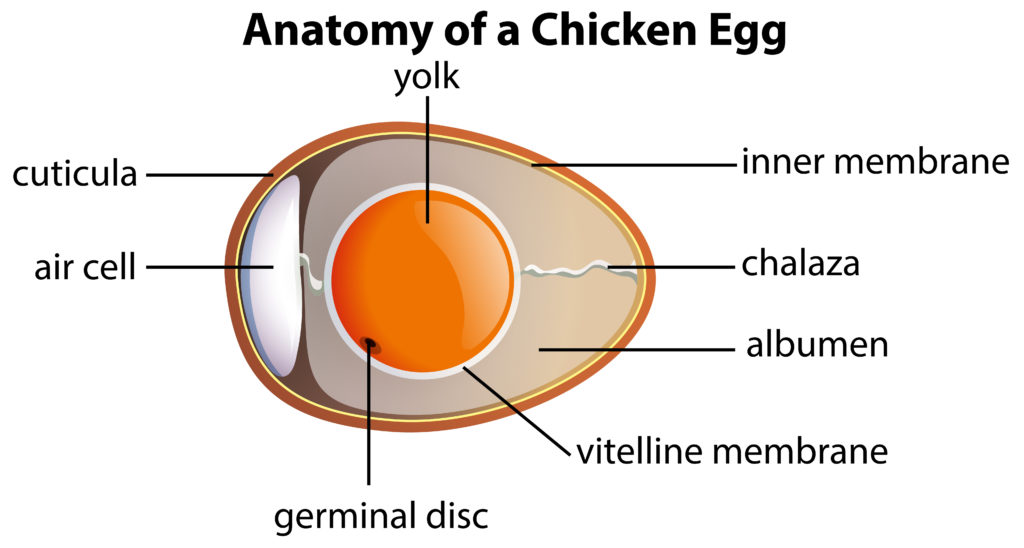
When candling, there is still hope for eggs with partially detached air cells, provided the yolk remains securely anchored by the “Chalaza”. If the yolk is floating too freely inside, unfortunately, it is no longer viable for incubation.
We often hear from those new to hatching who candle their shipped eggs, see that they are clear, and naturally assume the eggs were never fertile. This is quite often a misunderstanding. The eggs could have been perfectly fertile when they left our hands but simply failed to develop due to postal handling.
There is a significant difference between a fertile egg and a viable egg. Please know that sadly, not all fertile eggs become viable after shipping.
We put this together simply to help you make an informed decision and understand the inherent risks involved in shipping eggs. If you feel unprepared for these potential risks, sourcing locally available eggs might be a more reassuring option.
Related Post Understanding Quitters in posted Eggs