Description
QUAIL EGGS POLICY EXCLUSION
Quail eggs are not covered under our Damaged on Arrival or Viability Matters policy. We test all eggs prior to sale and pack every order with utmost care to give you the best possible outcome. However, due to the delicate nature of quail eggs — their thin shells and small size — they are more prone to internal damage during handling and transit. This can lead to lower or poor viability, even with proper testing and careful packaging. For this reason, hatch rates can be anywhere between 0 to 80% when quail eggs are posted. We would like to leave a clear note here so customers are aware of the risk and can make an informed decision accordingly.
Western Australia shipping restriction
Unfortunately, we are unable to ship quail eggs to WA, where quails are listed as a Declared Pest by the Department of Primary Industries and Regional Development. If detected during random searches or x-rays, they will not be released. To import quail eggs into WA, buyers must obtain an import permit and cover quarantine inspection fees, which can be a complex and costly process. (More info here)
King Quail
Also known as “Button quail“
- Native to Australia and Asia
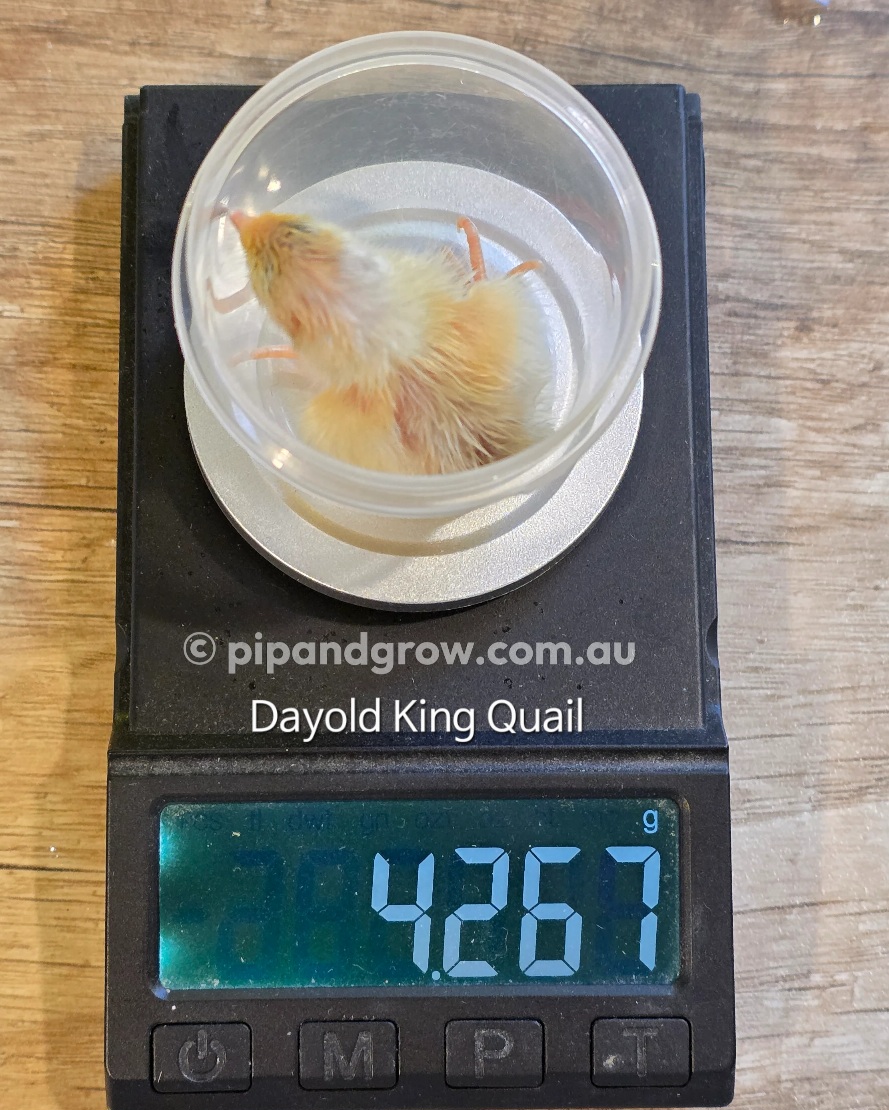
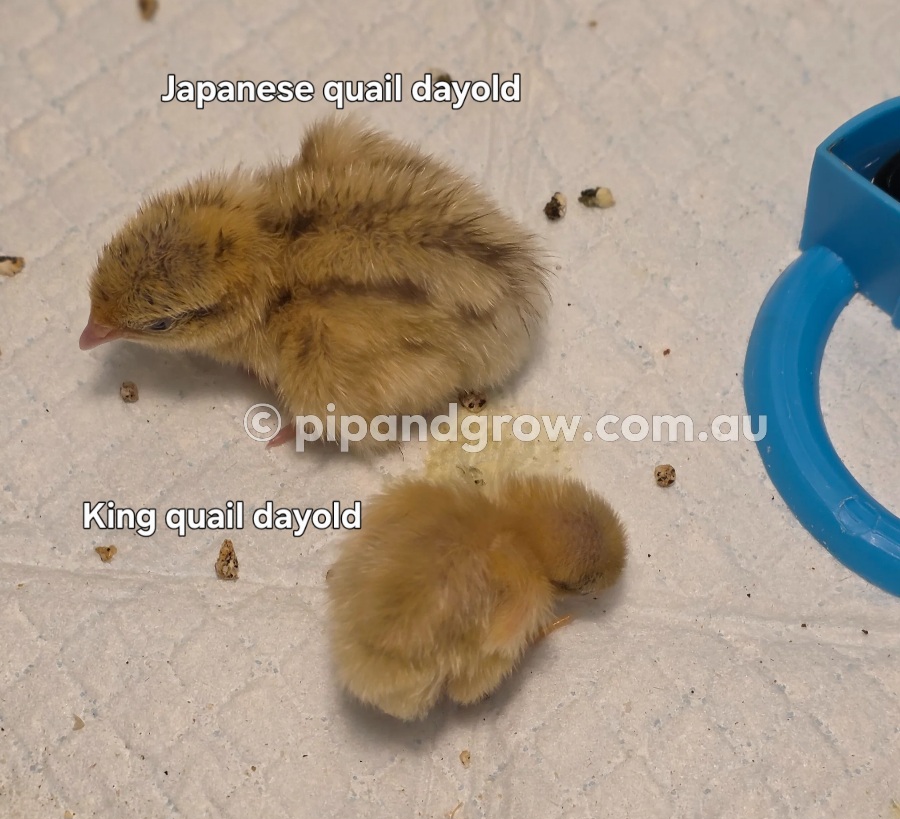
- Mature weight is around 30-50g, one of the smallest quail species
- Fast maturing, first eggs expected around 6-8 weeks of age
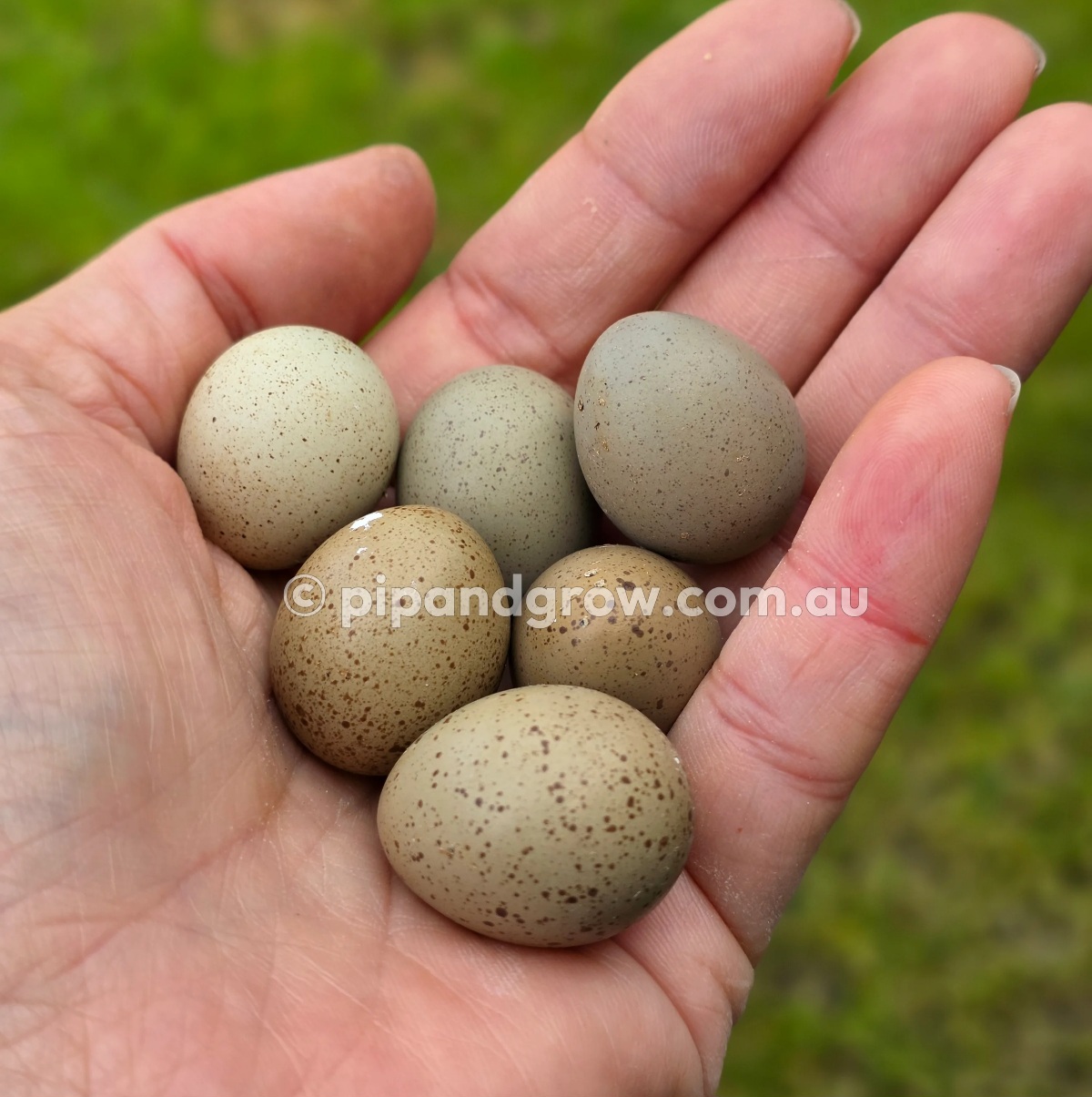
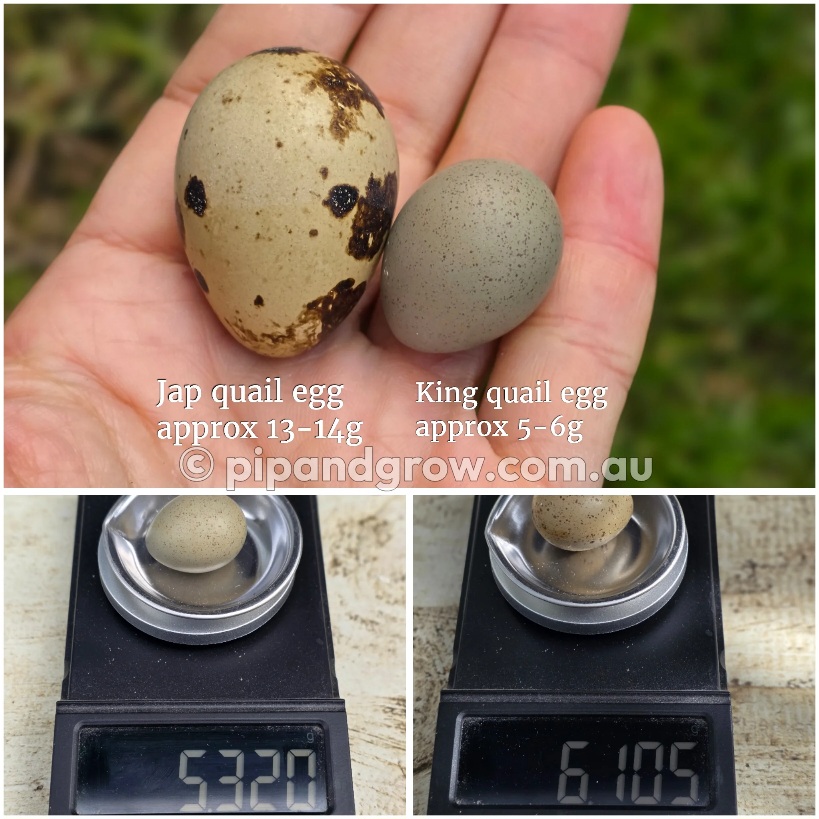
- Eggs are tiny around 5g, expected to lay consistently through warmer seasons
- Broodiness is moderate, they can incubate naturally but artificial incubation is more reliable.
- Maintenance is low but require careful handling due to their tiny size and speed.
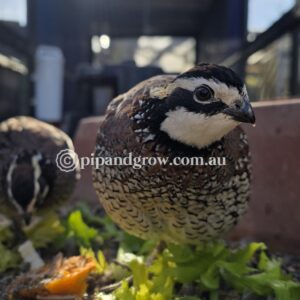
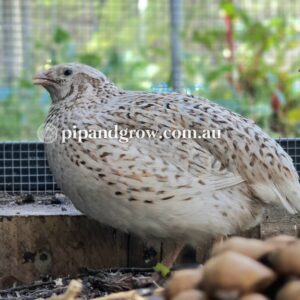
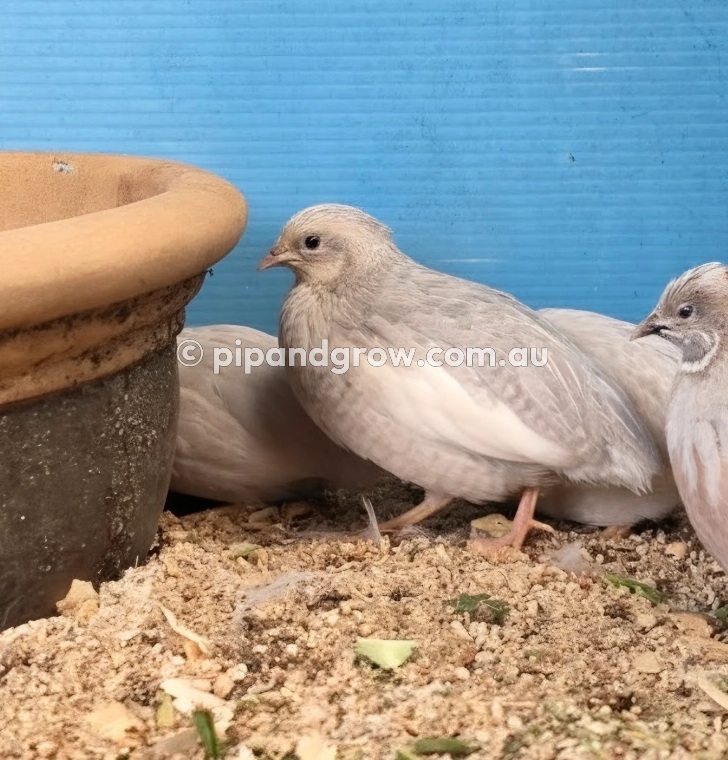
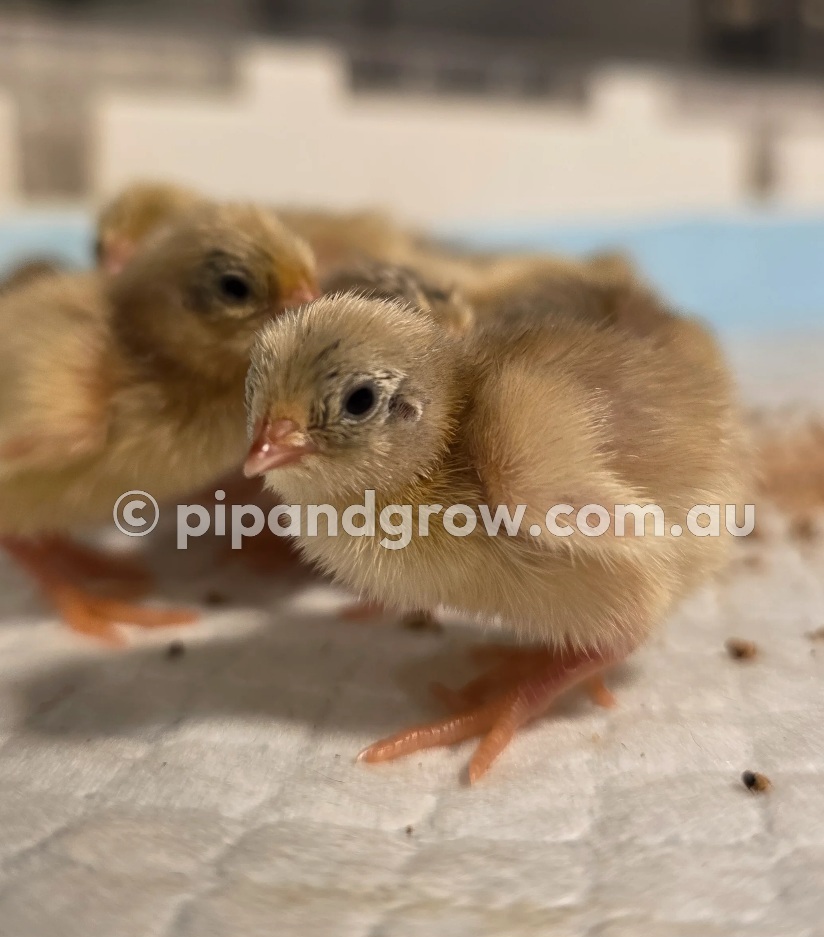
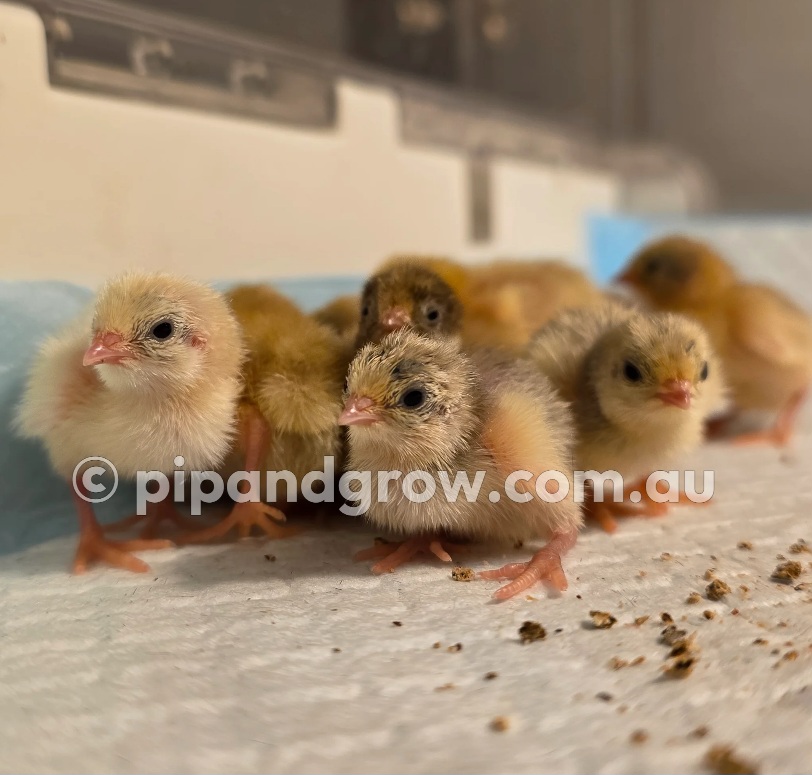
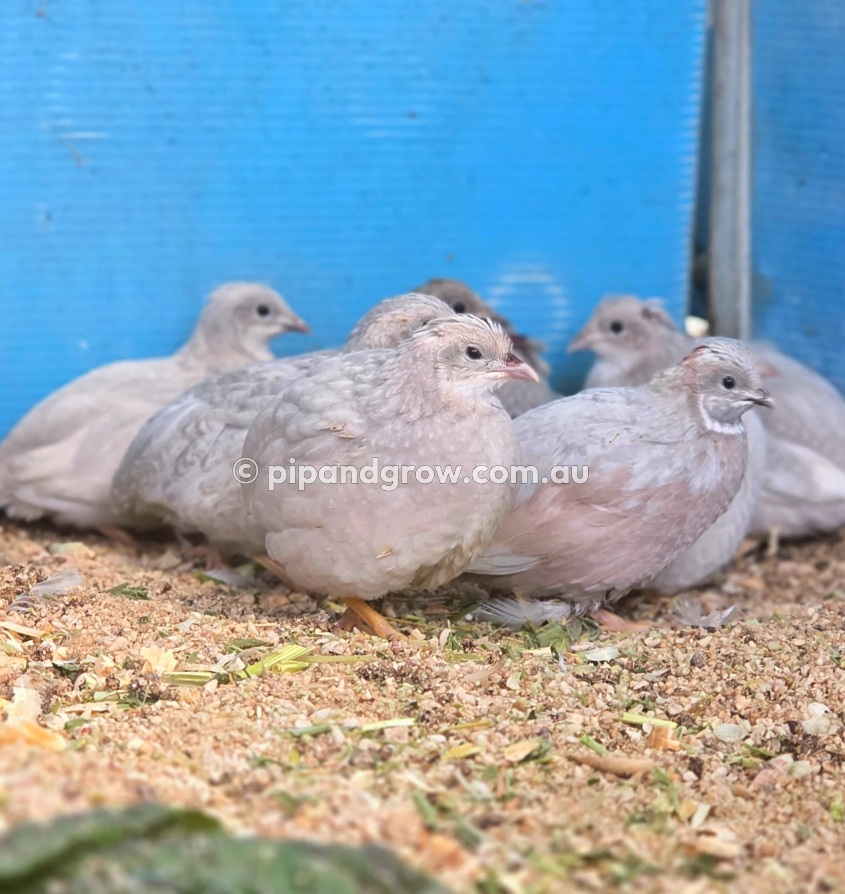
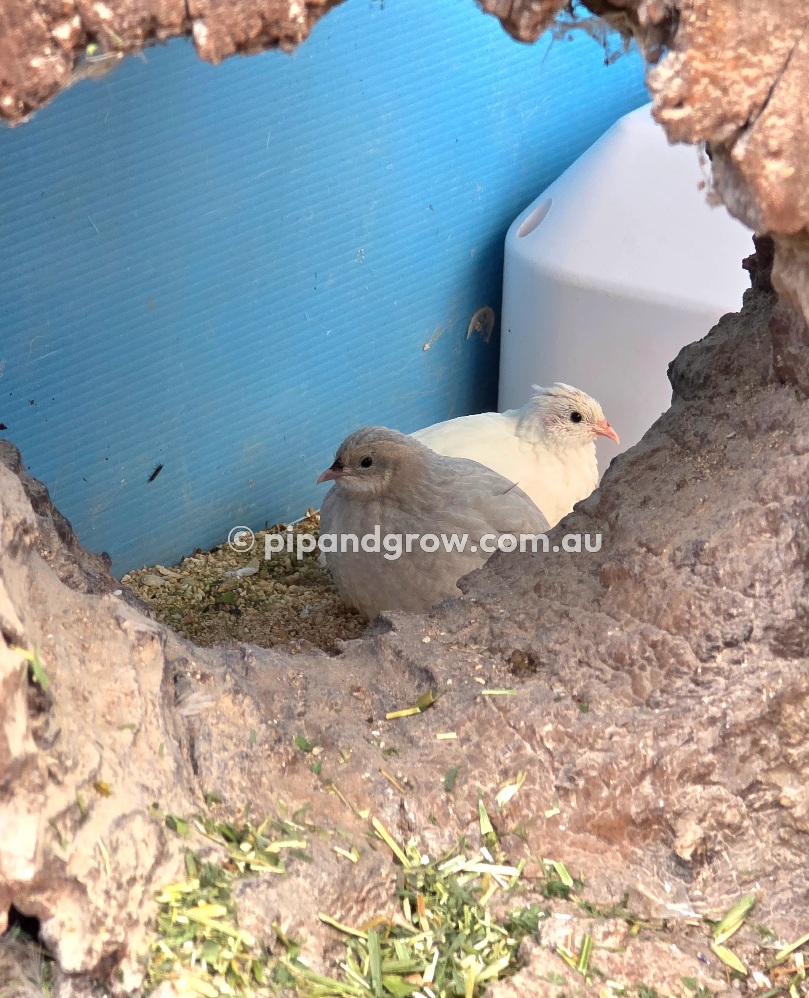
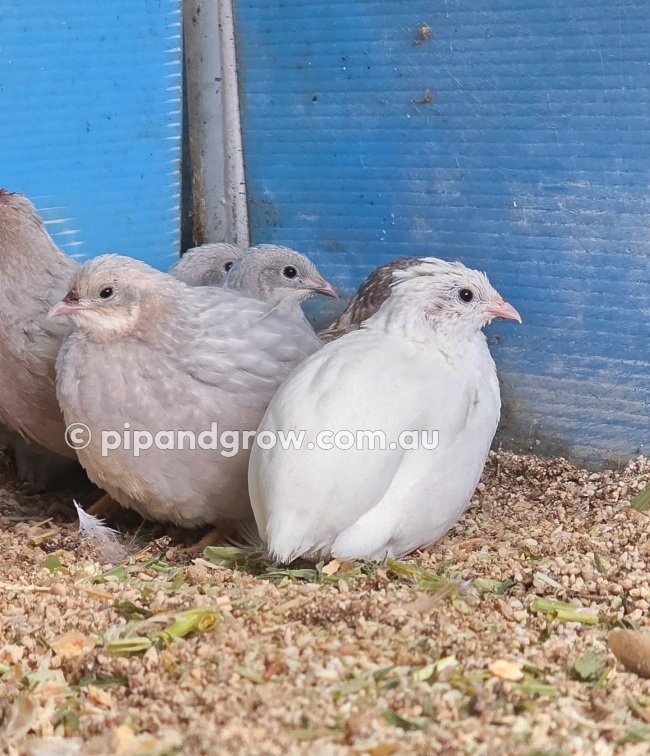
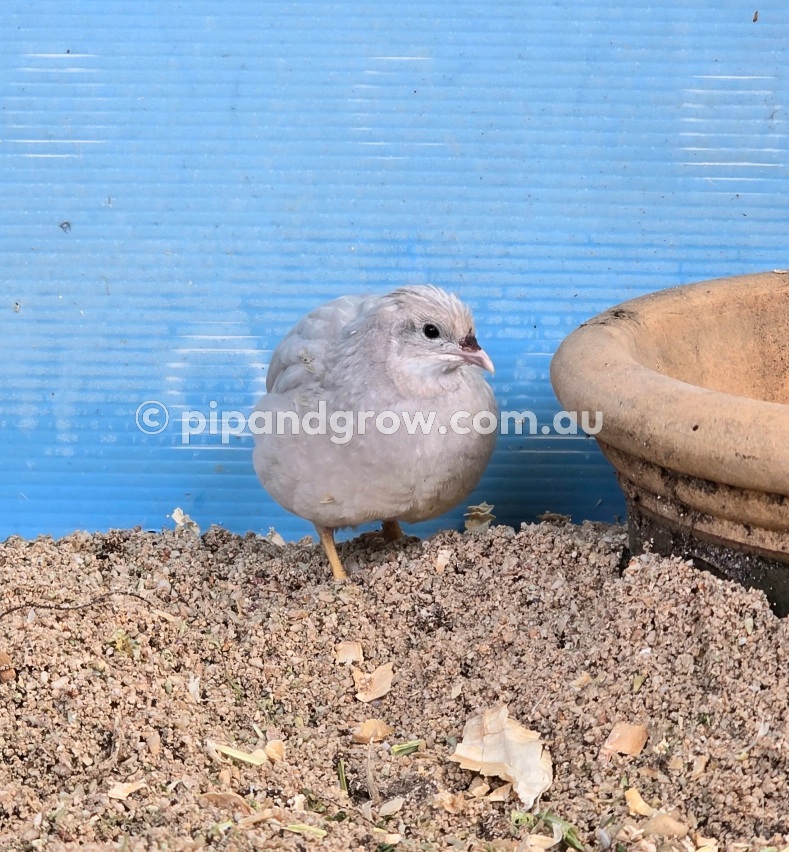
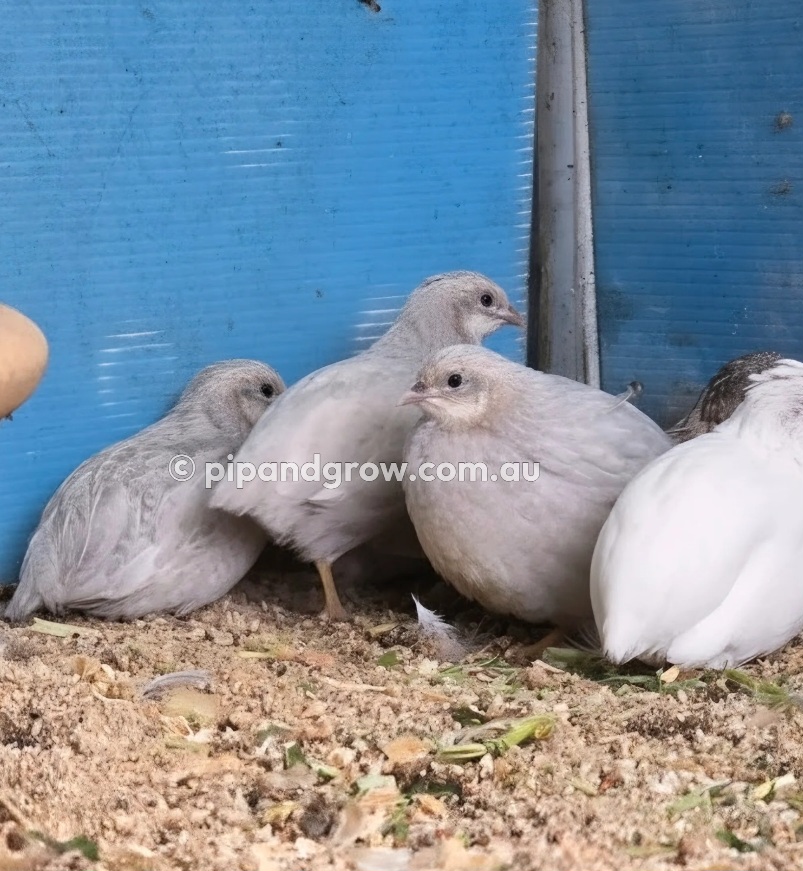
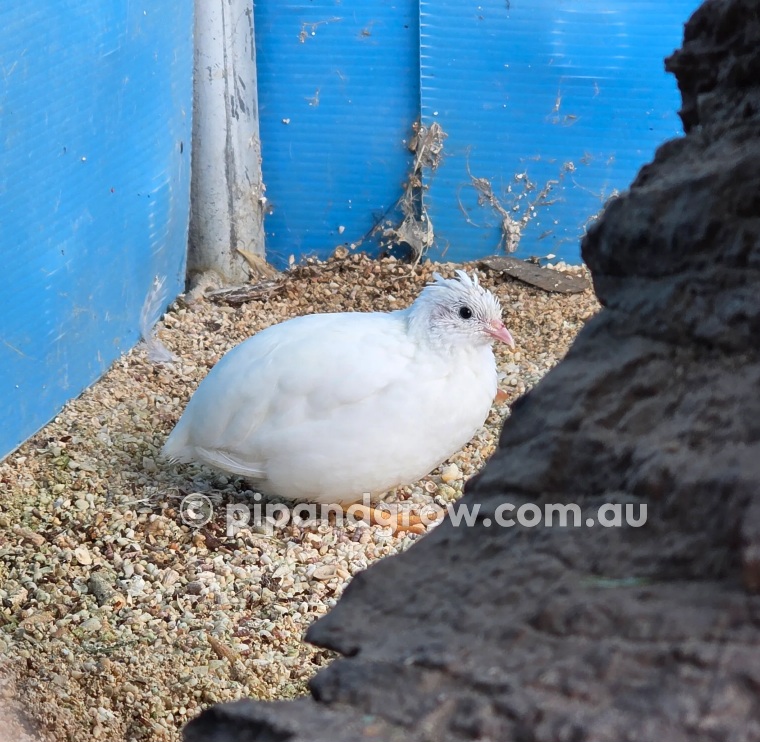
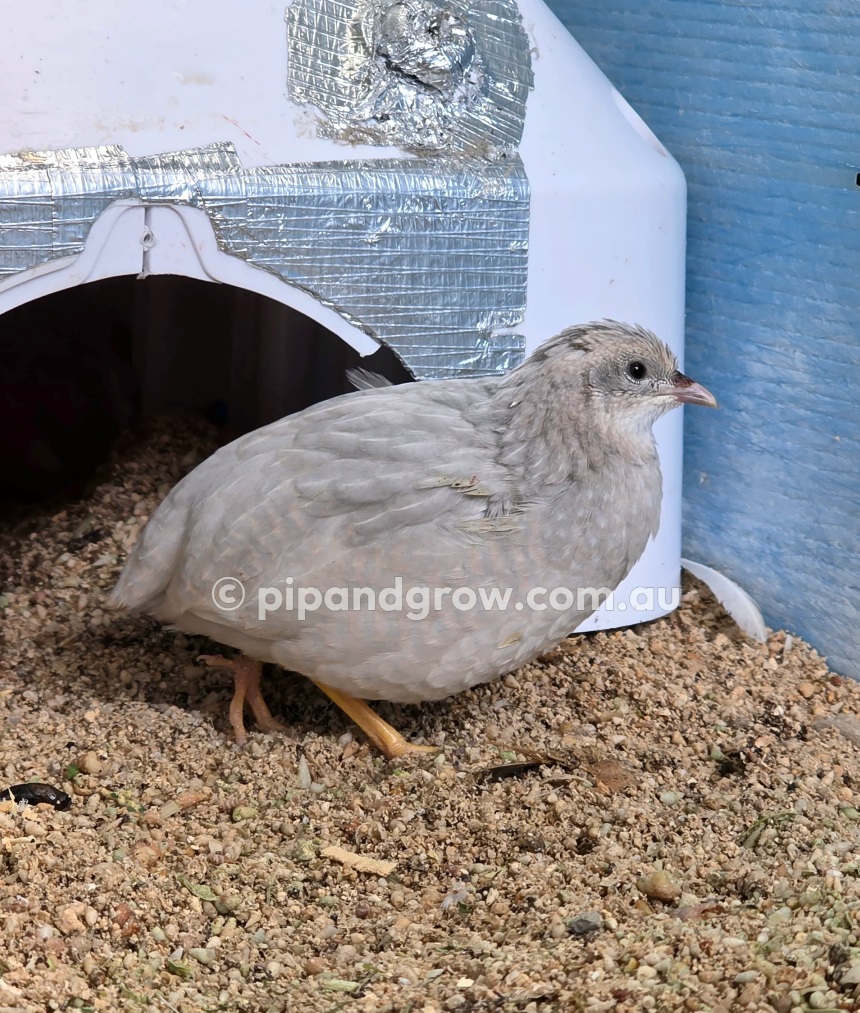
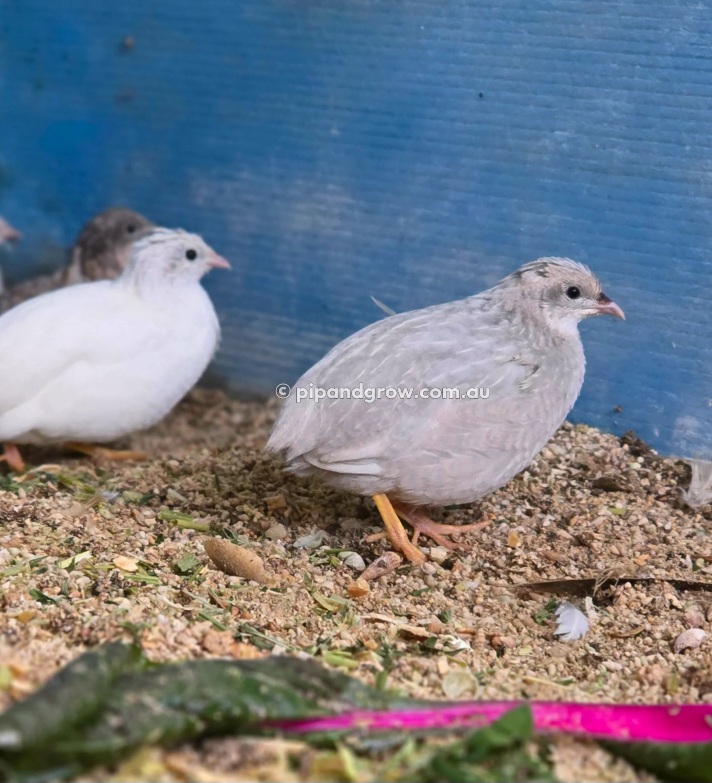
Australian King Quails, commonly known as button quails in the pet trade, are the smallest and lightest quail species in the world. Native to the grasslands of Australia and Asia, they are incredibly popular here as ornamental or pet birds due to their beautiful plumage and tiny size. Even fully grown, they have a compact and round body measuring just 12 to 15 cm in length. Males are easily recognizable by their striking blue breast, reddish belly, and distinct black and white throat markings. Females sport a beautiful, muted brown pattern that provides excellent natural camouflage. With good care, they can live for 3 to 5 years, and sometimes up to 6 years.
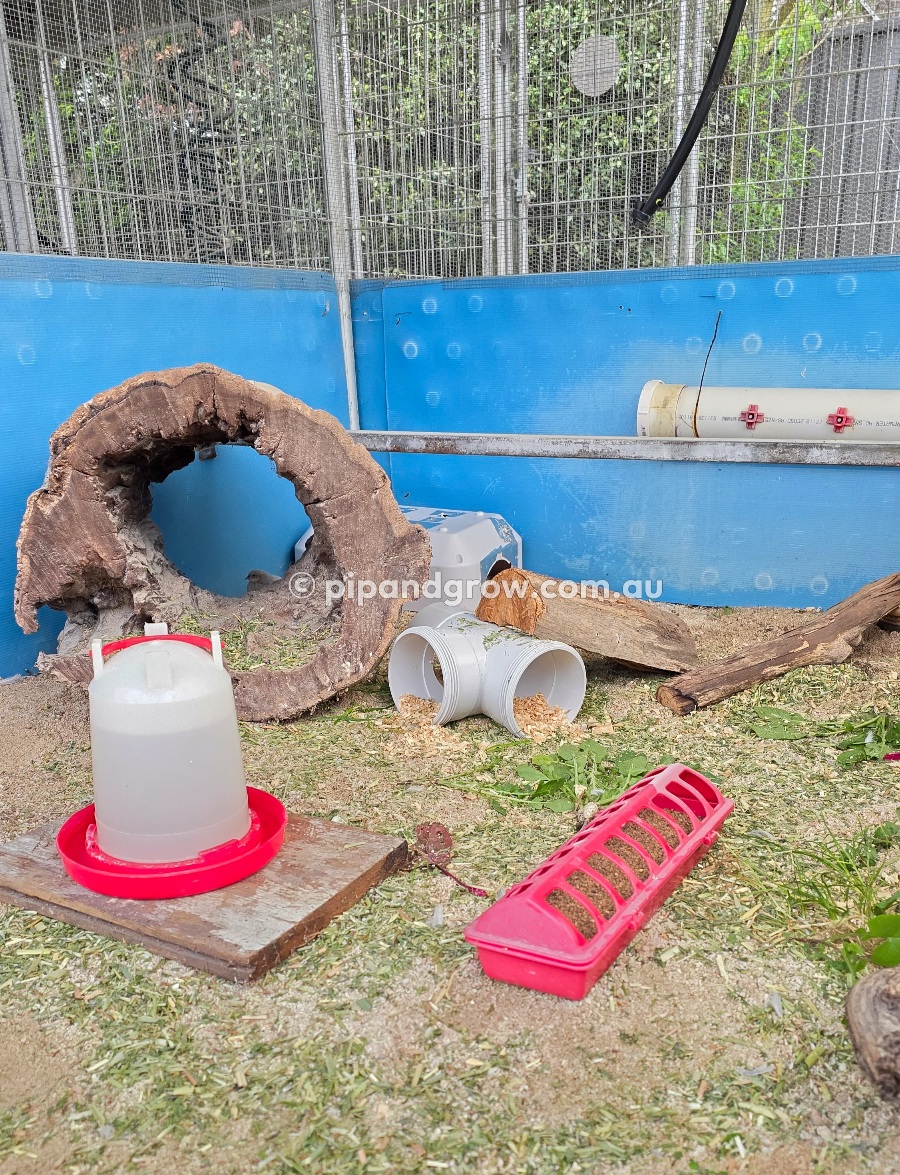
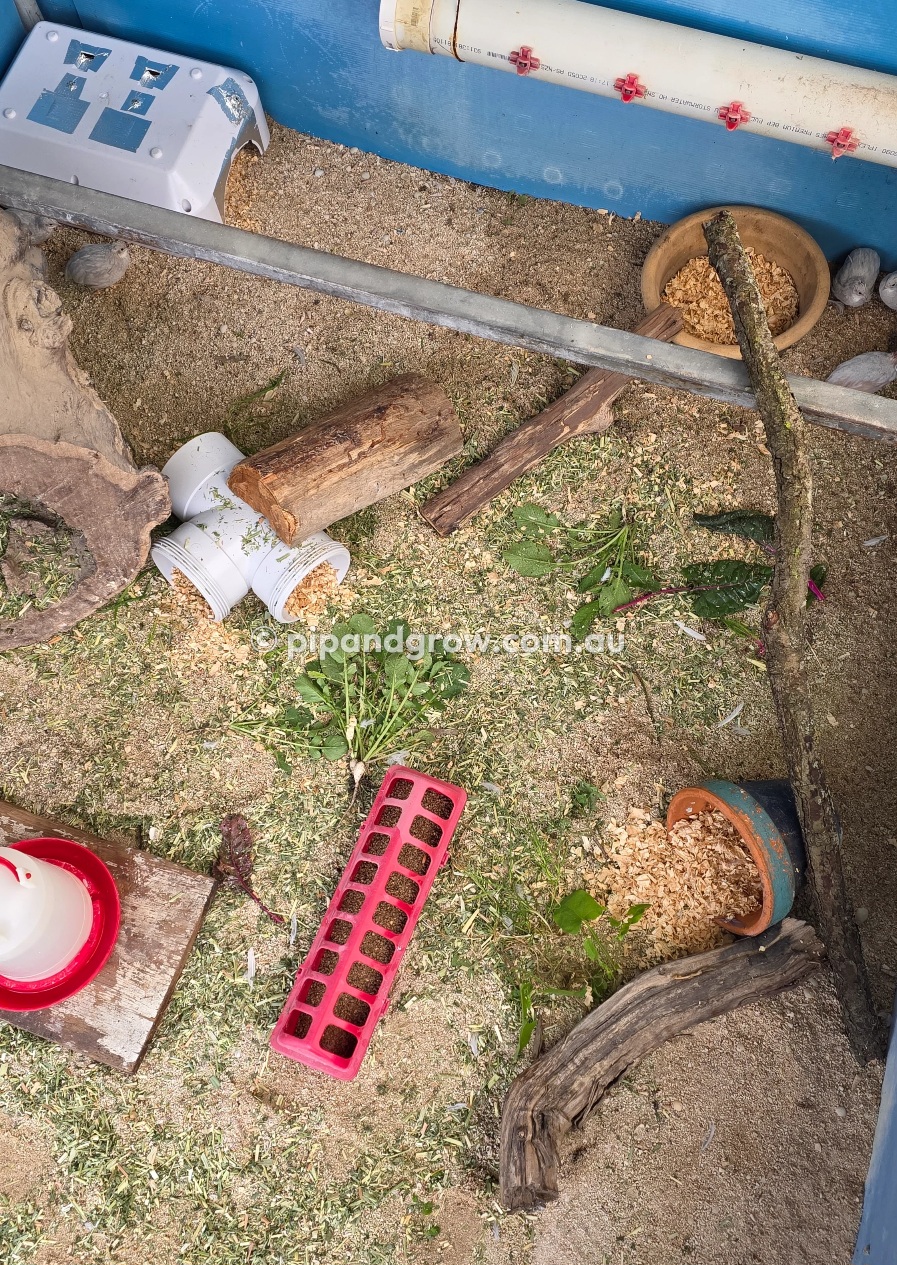
These little ones thrive in groups and love to spend their time bustling about on the ground foraging for treats. Providing them with a setup that includes hiding spots like small bushes or soft bedding will help them feel secure and active. They are much faster and more easily startled than other quail breeds, with a natural instinct to flush straight up when frightened, so we always recommend a calm and quiet approach. Gentle interaction from a young age helps build trust and makes them much easier to manage. A truly endearing trait of King Quails is tidbitting, where the male finds a tasty treat and makes a soft, sweet call to offer it to the female.
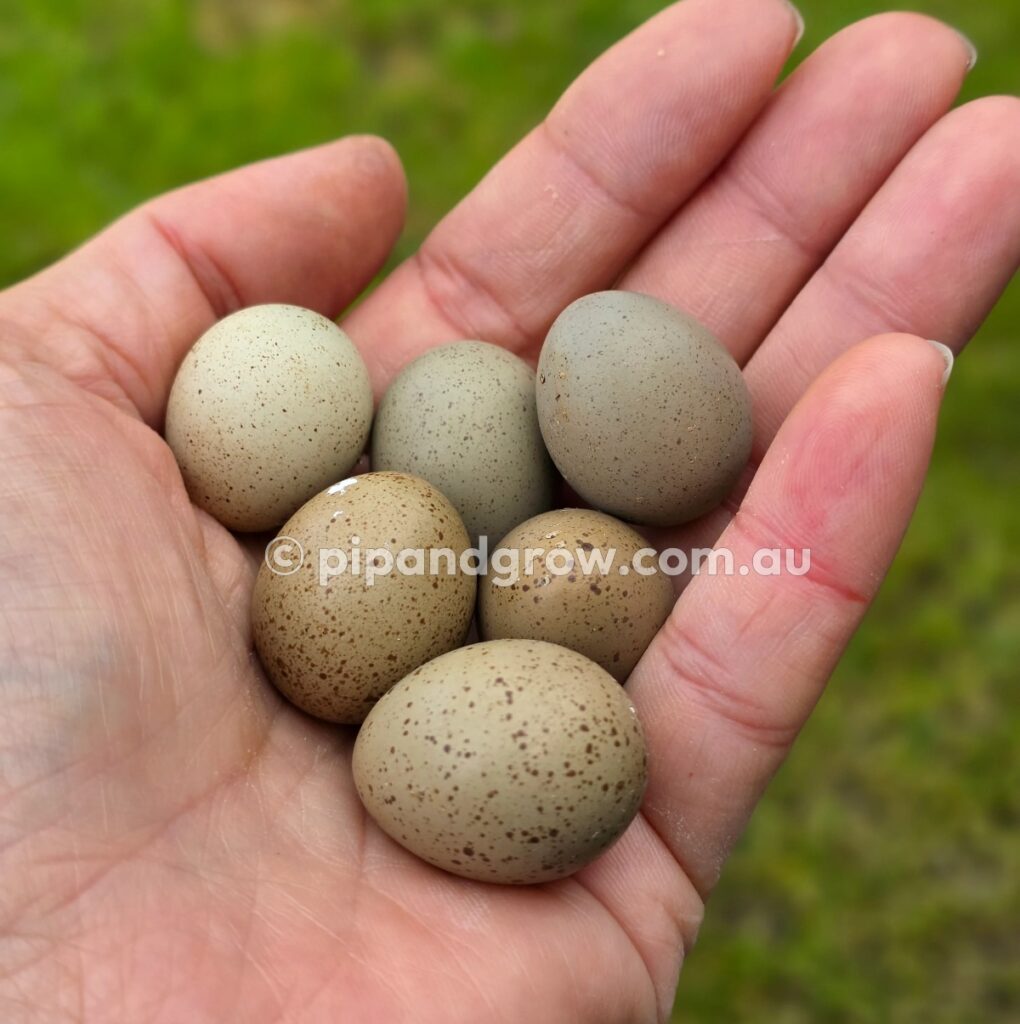
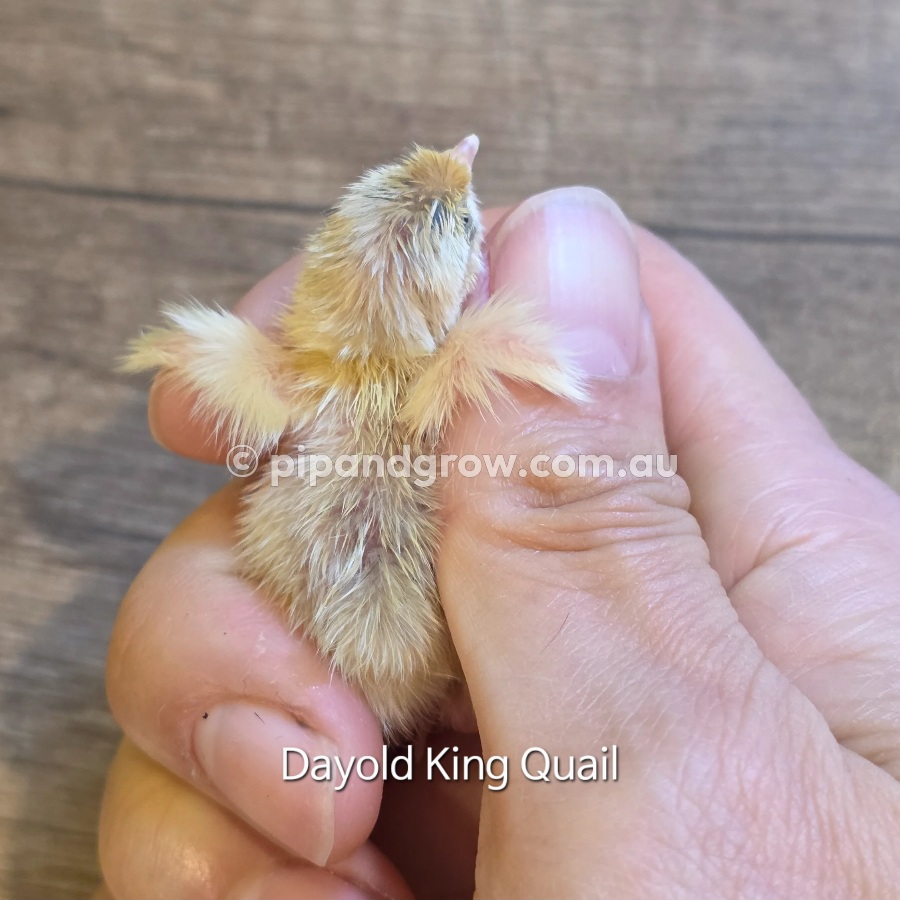
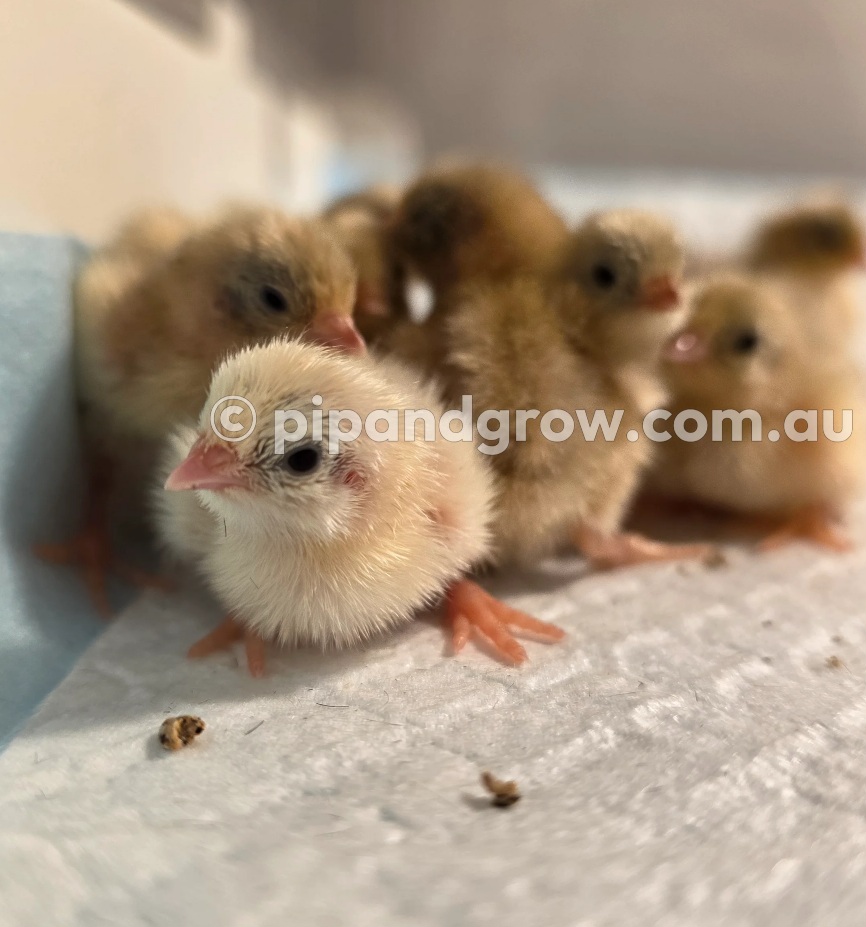
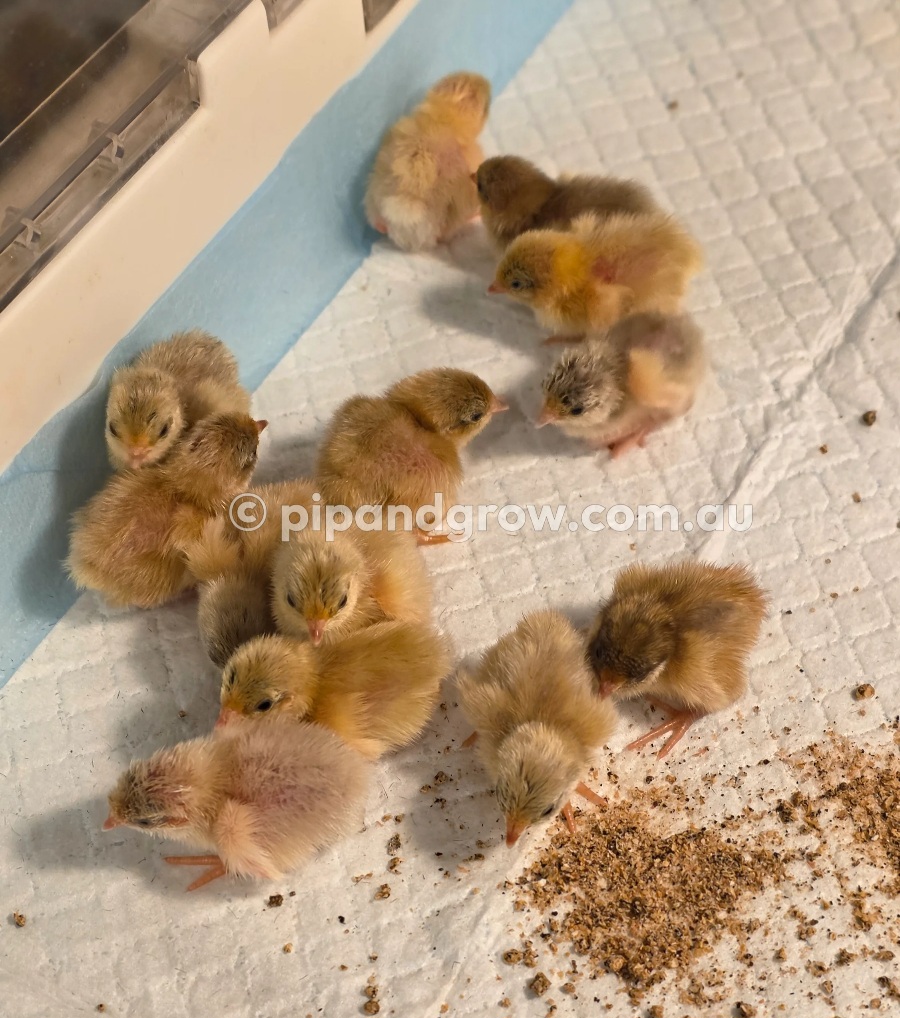
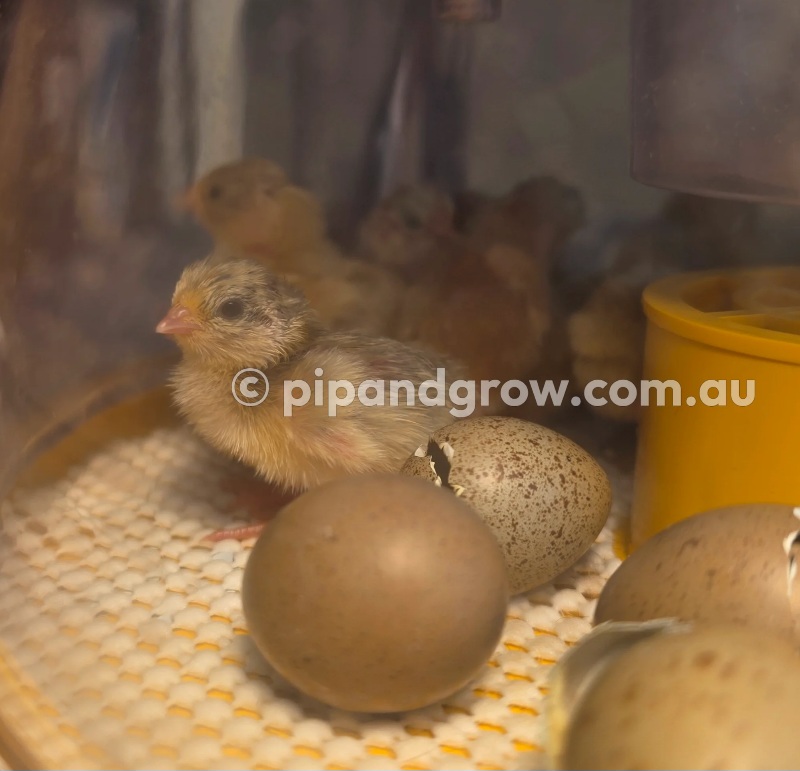
During the breeding season, hens lay beautiful, tiny eggs with an olive or brownish base covered in dark speckles, usually in clutches of 4 to 8. While they will sometimes attempt to incubate their eggs naturally if the environment is right, we find that artificial incubation is more reliable for consistent hatching, as they can occasionally abandon the nest in a typical aviary setup.
Incubation
King Quail eggs take approximately 16 days to hatch. Standard incubation temperature is the same as for chickens and other quails at 37.5 degrees Celsius. Lockdown begins on day 13, where we stop turning the eggs and increase the humidity to around 65 to 70 percent. Because the eggs are so tiny and delicate, maintaining a stable temperature and humidity during this final stage is absolutely crucial.
Raising King Quail – Brooder set up, Habitat & Sexing Tips