King Quail Brooder Set up and Care
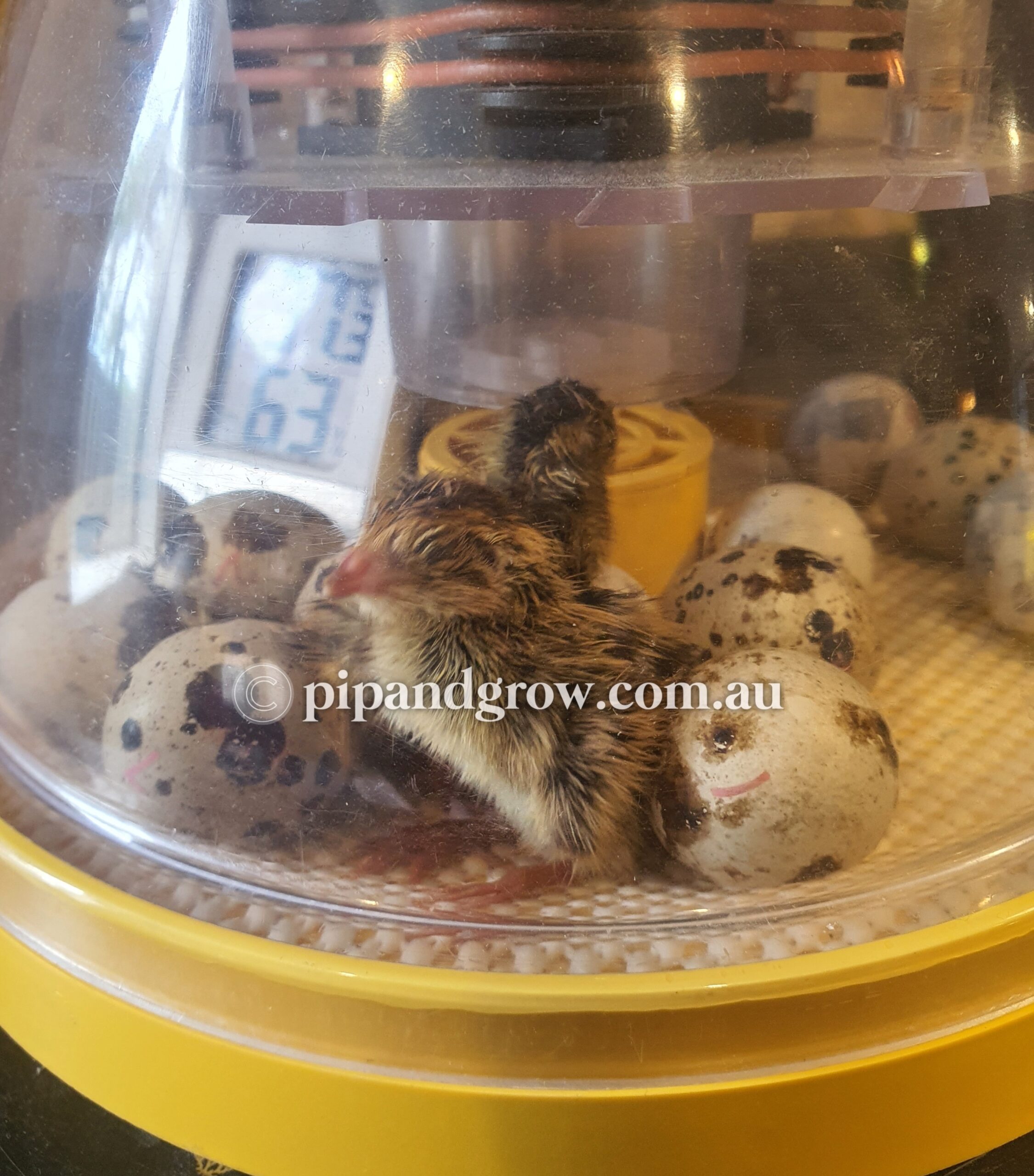
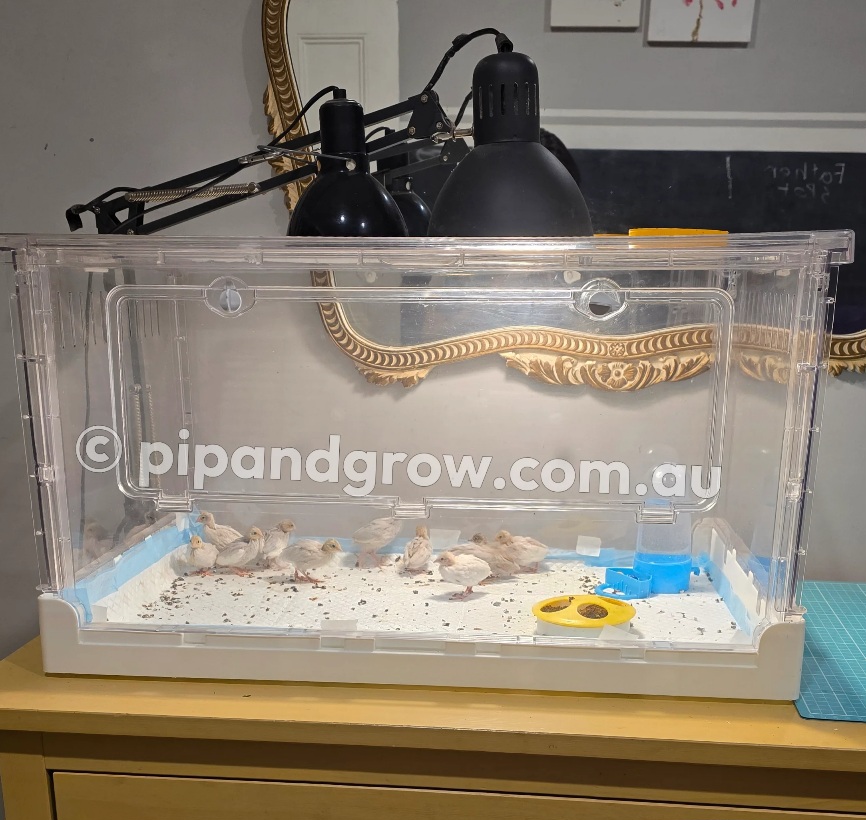
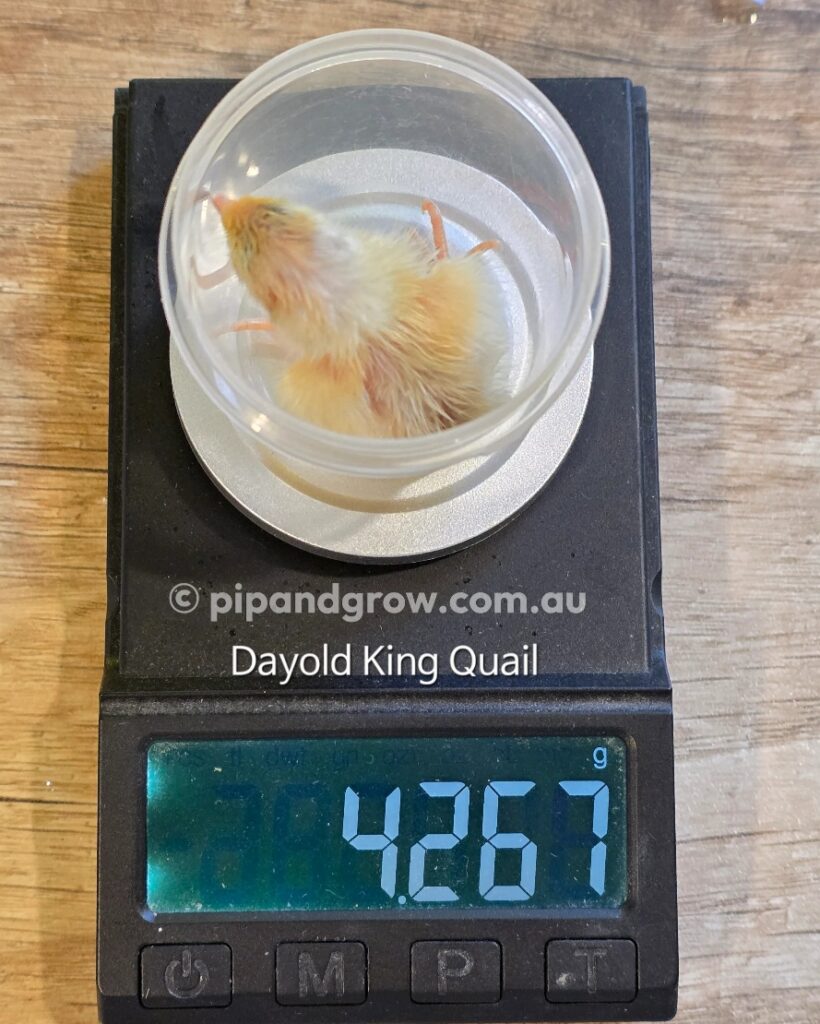
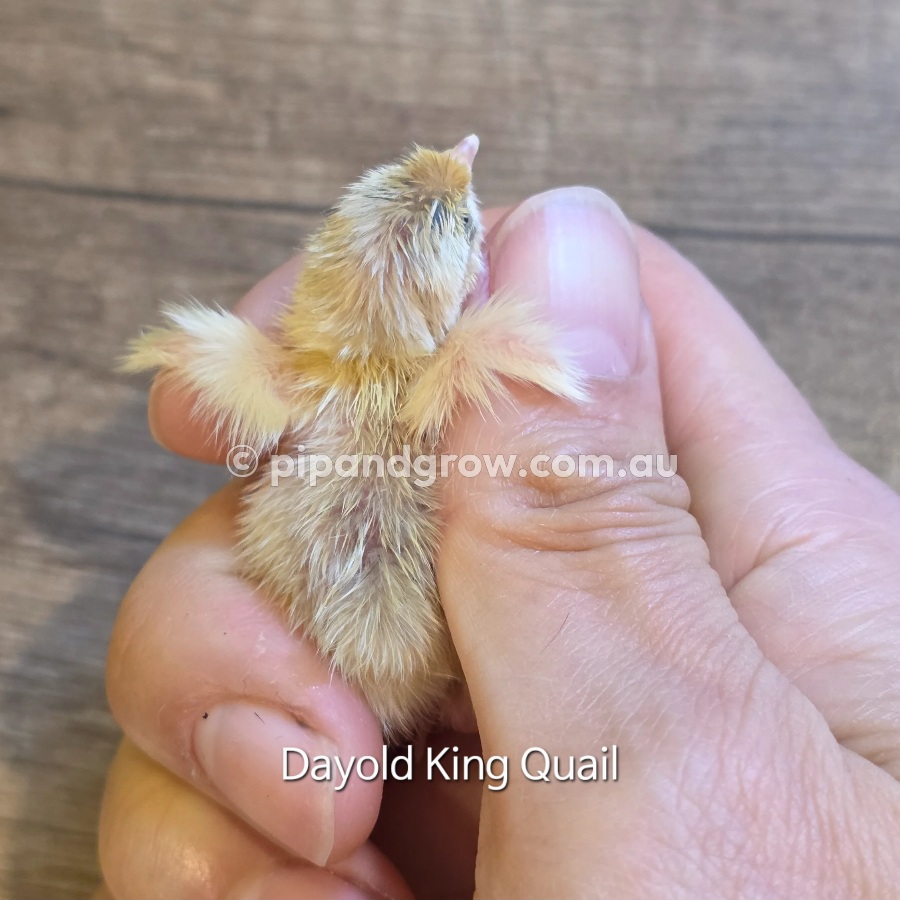
King Quail chicks are exceptionally tiny when they hatch, often resembling little fluffy bumblebees! Because of their microscopic size, they require a very secure brooder setup with a highly reliable heat source, soft bedding, finely crushed feed, and clean, shallow water.
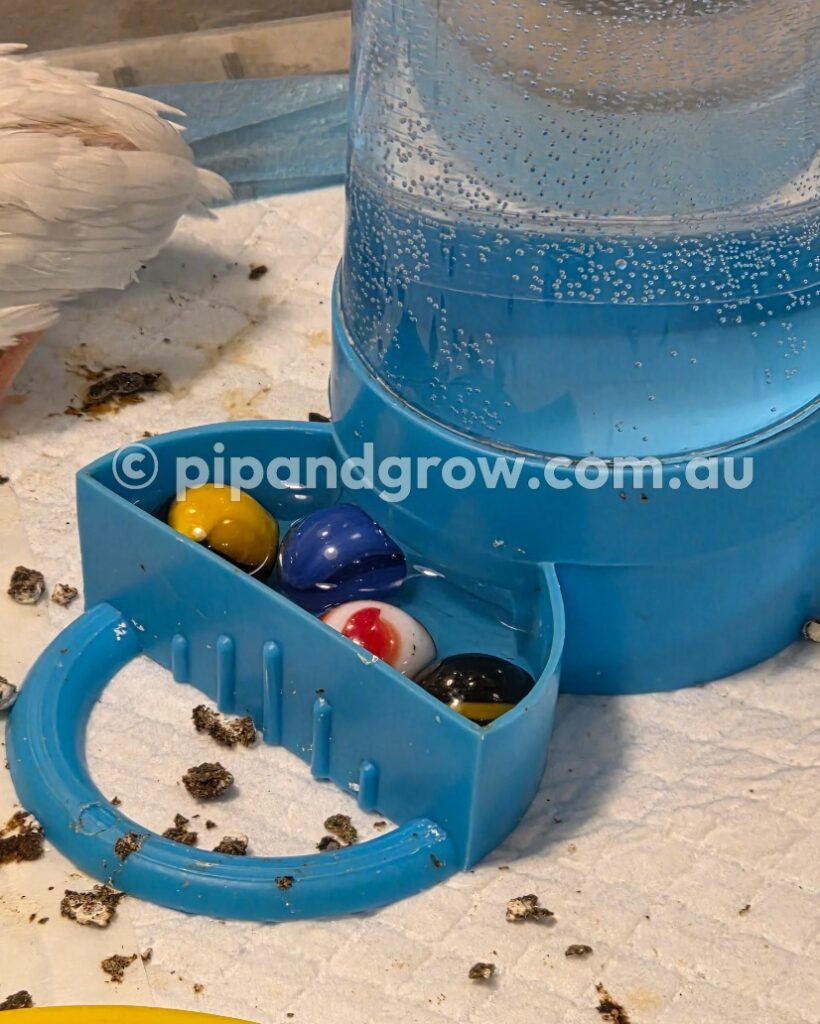
It is absolutely crucial to place small pebbles or glass marbles in their water dish during the first week to prevent any accidental drowning. A consistent and safe heat source is vital, as these tiny birds cannot regulate their own body temperature and chill very quickly.
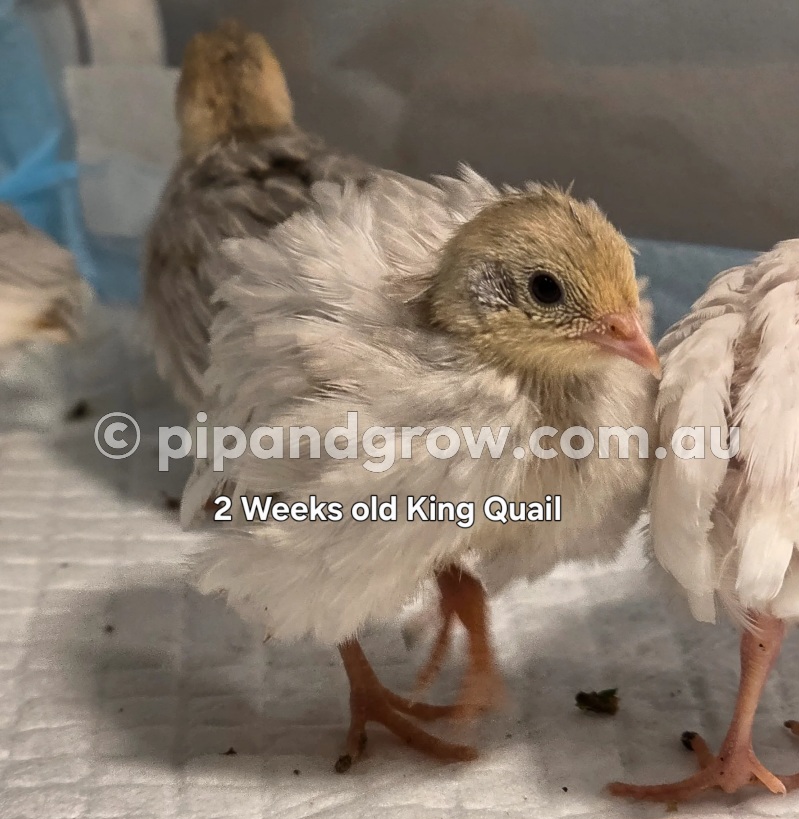
King Quails mature remarkably fast compared to other poultry. They develop their feathers rapidly and are usually fully feathered by around 4 weeks of age. During the warmer seasons, we transition our chicks to a secure, weather-protected aviary once they are completely feathered. However, in cooler months, they will need an extended brooding period to ensure they stay warm and healthy.
Habitat and Care for Bob White Quails
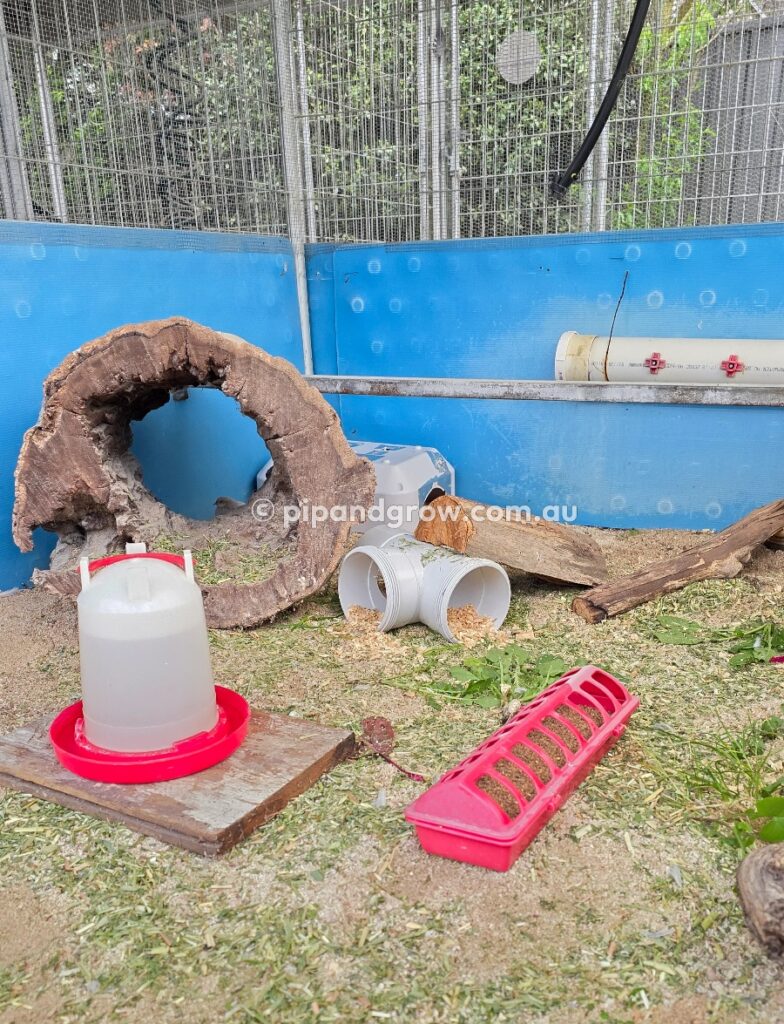
Housing:
King Quails need a secure, rodent and vermin-proof enclosure. While they do not require a massive amount of space, they are incredibly active ground dwellers who thrive when given a natural environment to explore. We recommend adding plenty of ground cover, such as small native grasses, leafy branches, or small hideouts, where they can retreat and feel safe.
They do not require perches and will sleep on the floor, often huddled together for comfort. Keep in mind that King Quails have a natural instinct to “flush”—flying straight upward when startled. To prevent head injuries, it is best to design an enclosure with either a soft mesh top or enough height so they do not hit the roof forcefully.
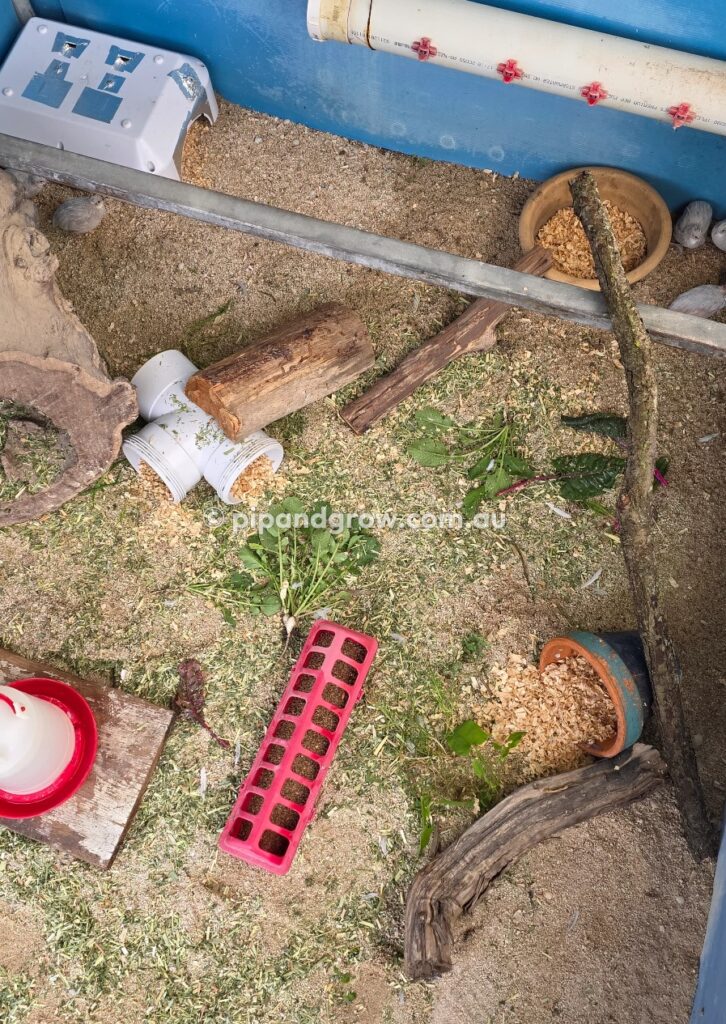
Diet:
Because of their rapid growth, King Quails thrive on a high-protein diet. We highly recommend a quality game bird starter crumble. Since their beaks are so small at hatching, you may need to slightly grind the crumble into a finer powder for the first week so they can eat comfortably.
We use the following feeding schedule:
– Game Bird Starter (finely crushed for the first few days): From hatch to 6 weeks of age
– Game Bird Breeder : From 6 weeks onward
We also love offering them small amounts of fresh greens, cucumber, and tiny mealworms, which helps immensely with taming and providing natural enrichment.
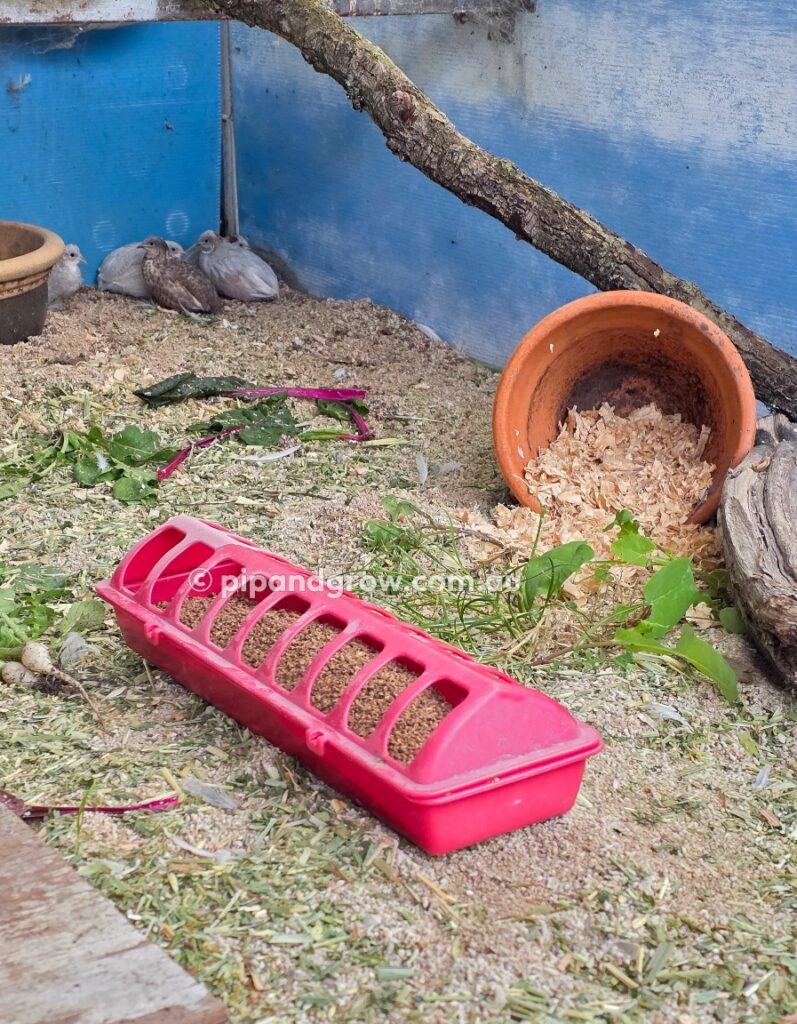
Characteristic:
King Quails are incredibly lively and energetic. When they are young, they can be quite flighty and nervous, darting around like tiny race cars. We have found that moving slowly and speaking softly around their enclosure makes a wonderful difference in keeping them calm.
One of the most endearing characteristics of King Quails is the male’s “tidbitting” behavior. When a male finds a tasty treat, he will pick it up, make a soft, sweet chirping sound, and offer it directly to the female. It is absolutely beautiful to watch! While they may never enjoy being tightly held, with regular, gentle interaction, they will happily approach you for a treat and recognize their keepers.
Sexing King Quail
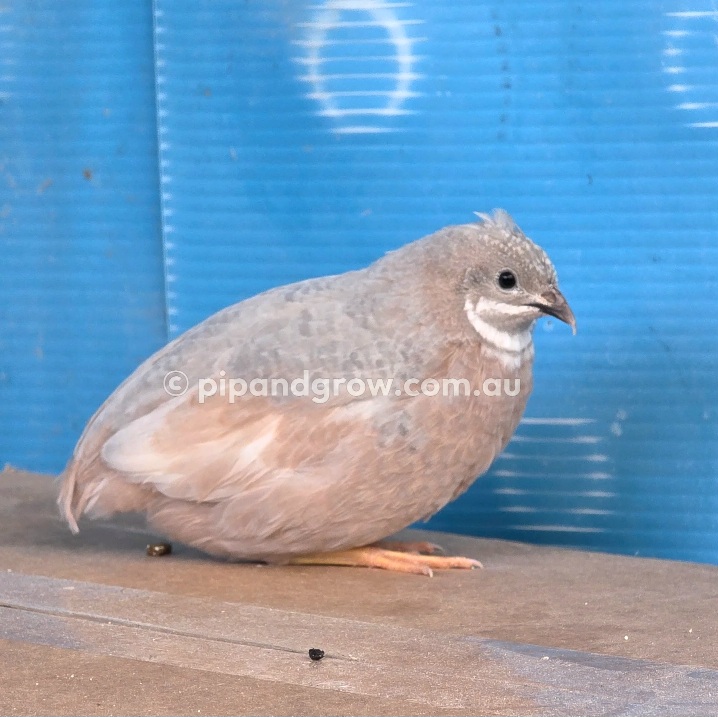
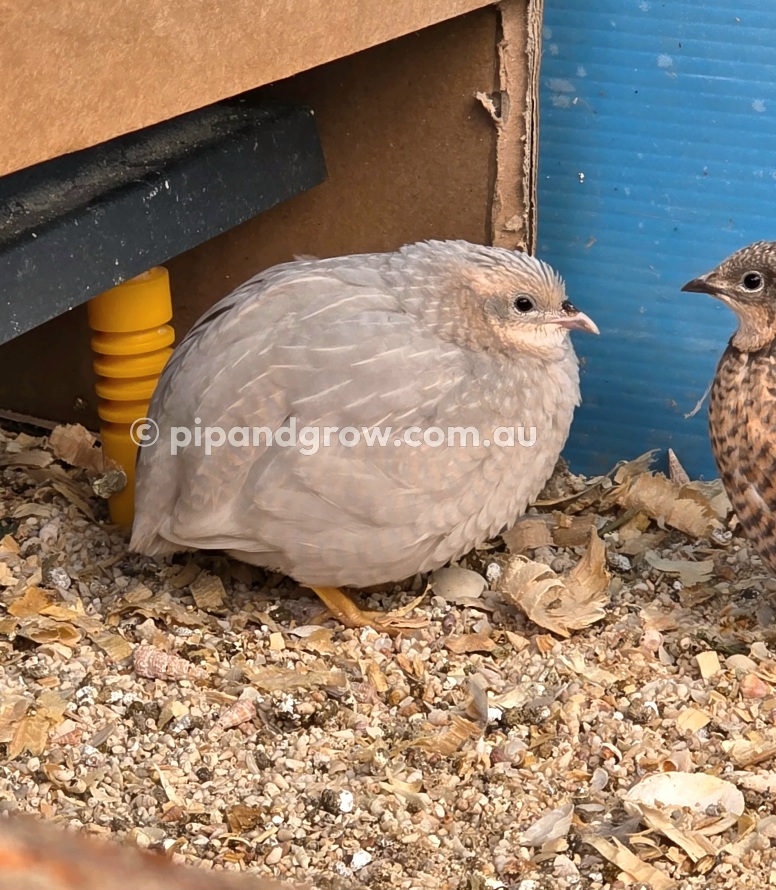
King Quails are beautifully dimorphic, meaning males and females look distinctly different, making sexing very straightforward once their adult feathers come in. By around 4 to 6 weeks of age, you will easily spot the differences. Males develop a reddish-brown, cinnamon coloured belly ( or sometimes blue) and a very distinct white striped “mask” (also known as bib) on their throat. Females, on the other hand, retain a lovely, muted brown mottled pattern that provides excellent natural camouflage.
Egg productivity and Breeding behavior of King Quail
King Quails mature very quickly and can begin laying their tiny, beautifully speckled eggs as early as 6 to 8 weeks of age. During the warmer seasons, a healthy hen will lay quite consistently.
While they can occasionally go broody and attempt to hatch their own eggs, they are often easily distracted in a mixed aviary setting and may abandon the nest. For this reason, we find that artificial incubation is the most reliable method if you wish to expand your covey. However, if they do successfully hatch their own chicks naturally, they are attentive parents, and it is a true joy to see them raise their tiny young.