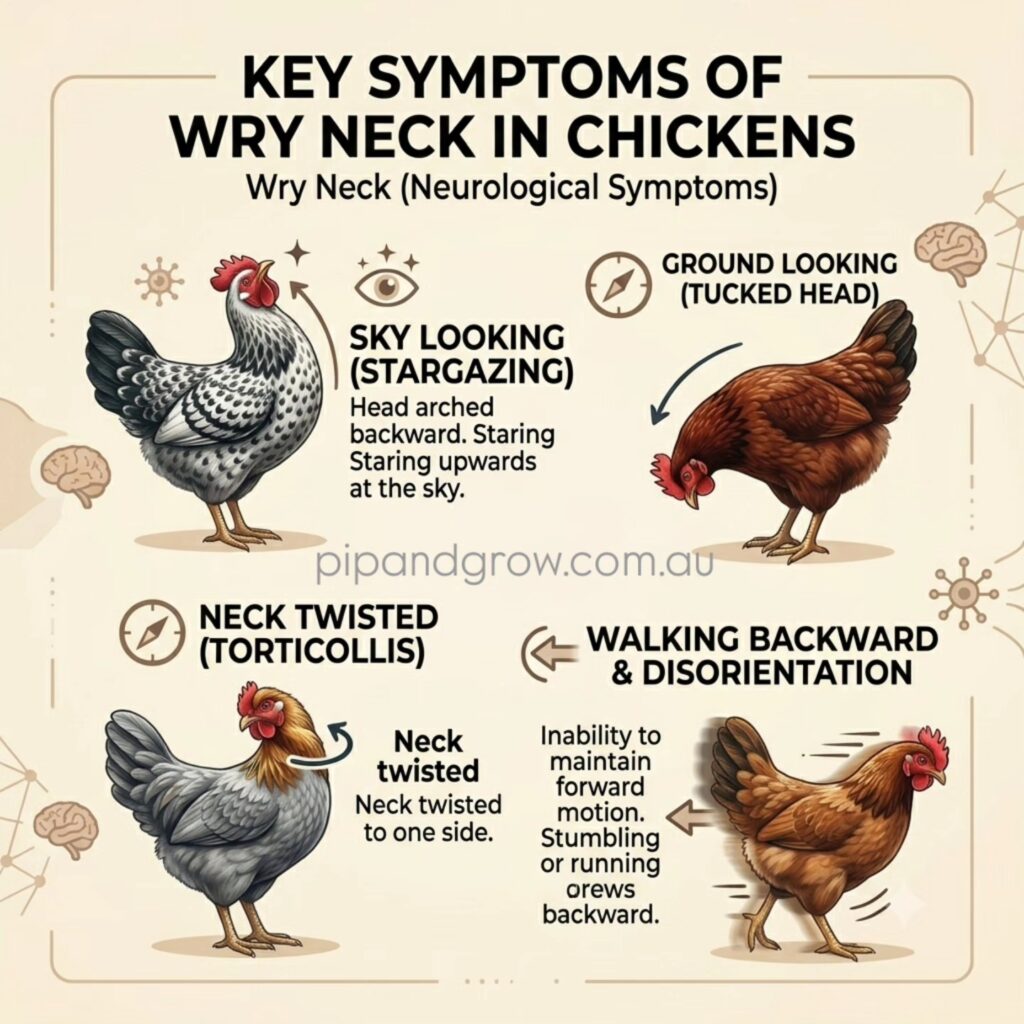
Have you ever walked out to the coop to find a chicken with its head twisted completely upside down, tucked between its legs, or walking in circles? It is incredibly scary to witness, but before you panic, it might just be Wry Neck.
Wry neck (often called stargazing or torticollis) is a neurological symptom. Commonly seen in Silkie, Polish and Araucana, often crested breeds than other breeds. While the most frequent culprit is a nutritional deficiency, there are a few other common causes:
- In young chicks: Incubation errors or poor hen nutrition.
- Genetics & Absorption: Just like humans, some birds simply struggle to absorb certain nutrients even if they are given the exact same feed as the rest of the flock.
- Physical trauma: A direct head injury or accident.
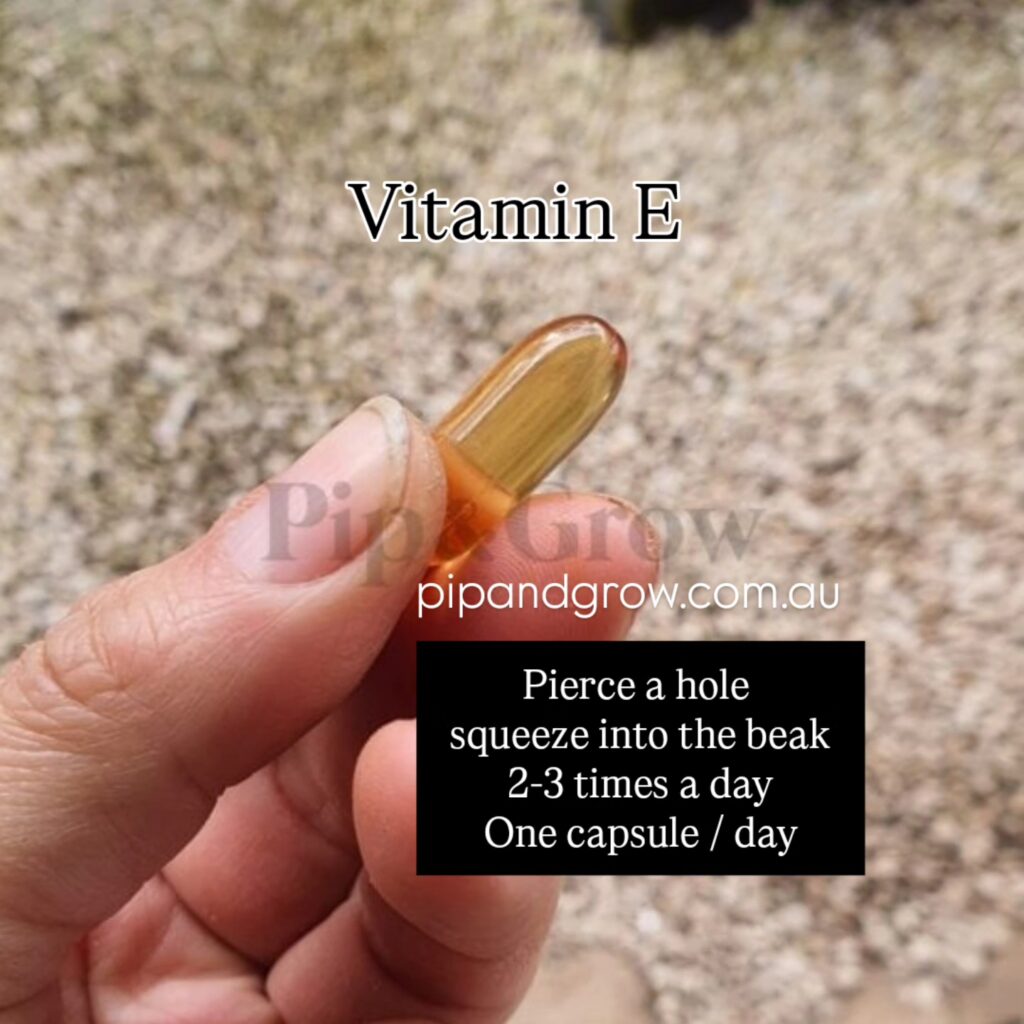
How to treat wry neck?
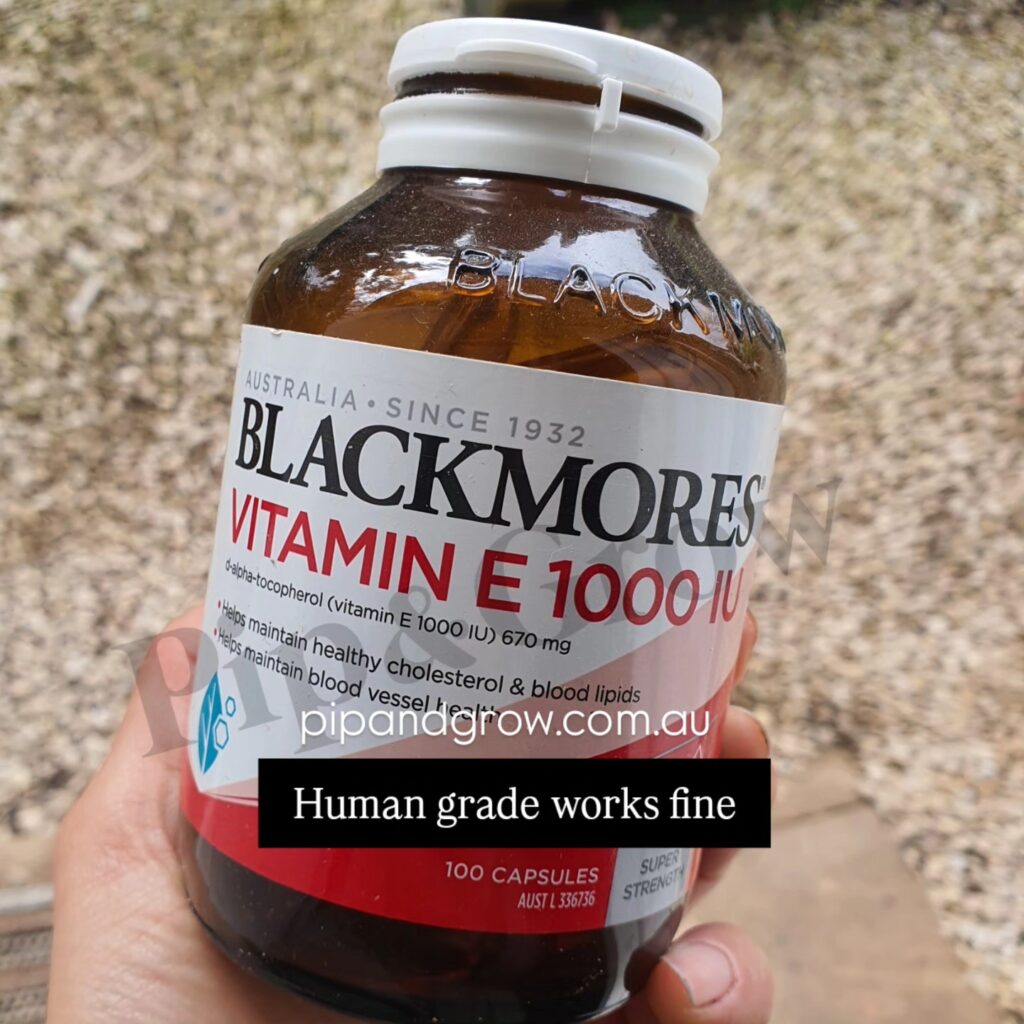
The winning combination to fix this is Vitamin E combined with Selenium. We simply use human-grade Vitamin E capsules paired with an animal tonic like Anitone for the Selenium.
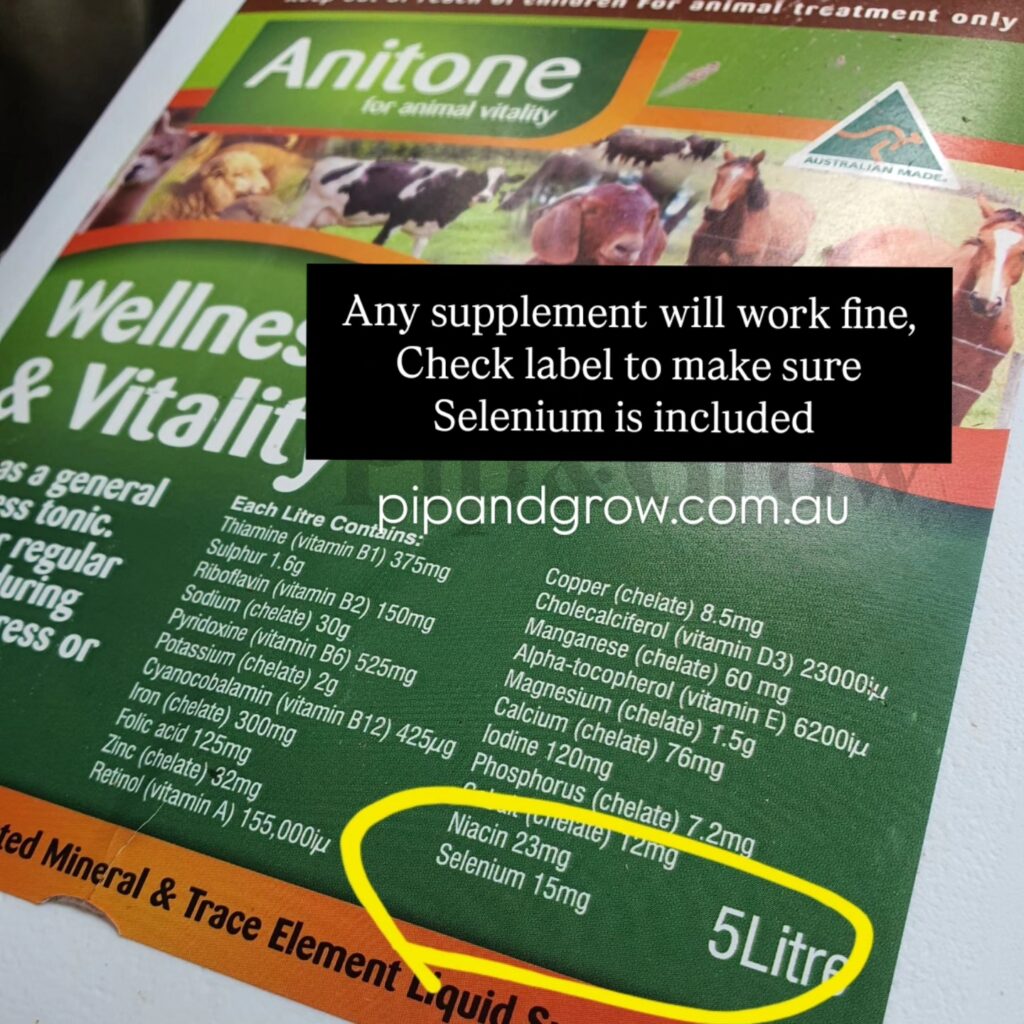
Remember: Vitamin E needs Selenium to be absorbed correctly, but Selenium can be toxic, so only a tiny amount is required.
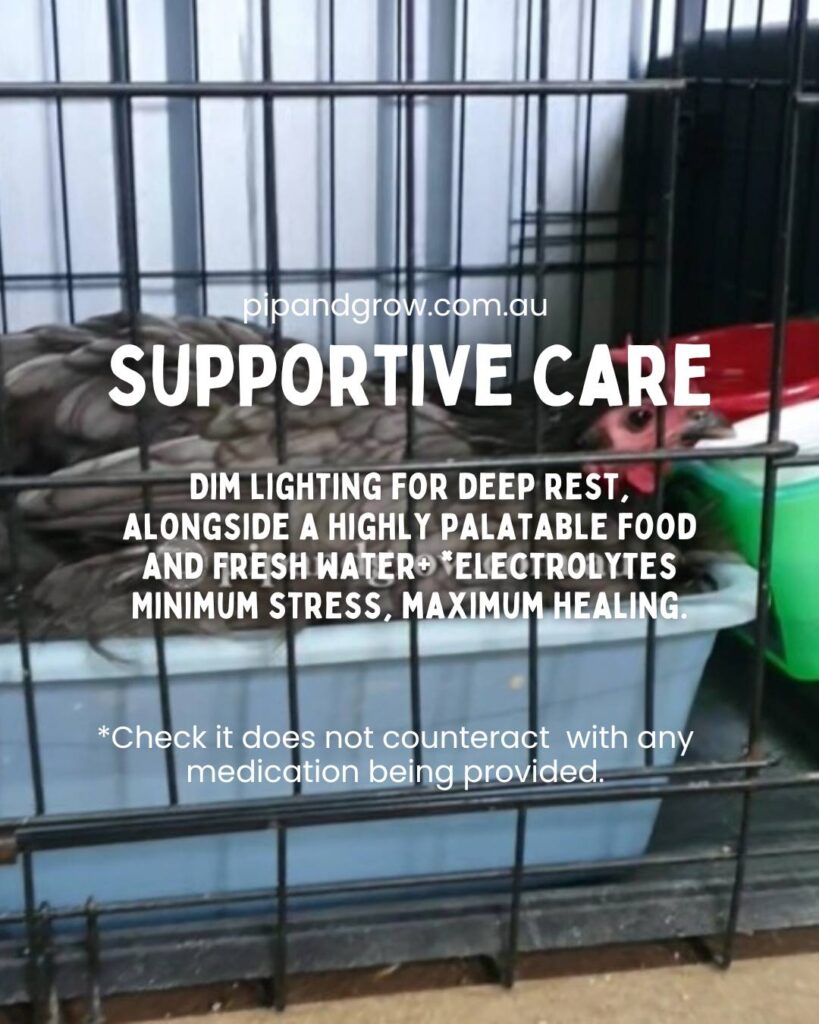
Supportive Care is Essential
This is the most important part of the recovery process. Because their head is twisted, they cannot physically access their food or water. They need to be placed in a warm, quiet isolation crate, and you will need to patiently hand-feed them a wet mash and gently guide their beak to water. It can take days or even a couple of weeks of consistent care to see improvement, but they can absolutely make a full recovery.
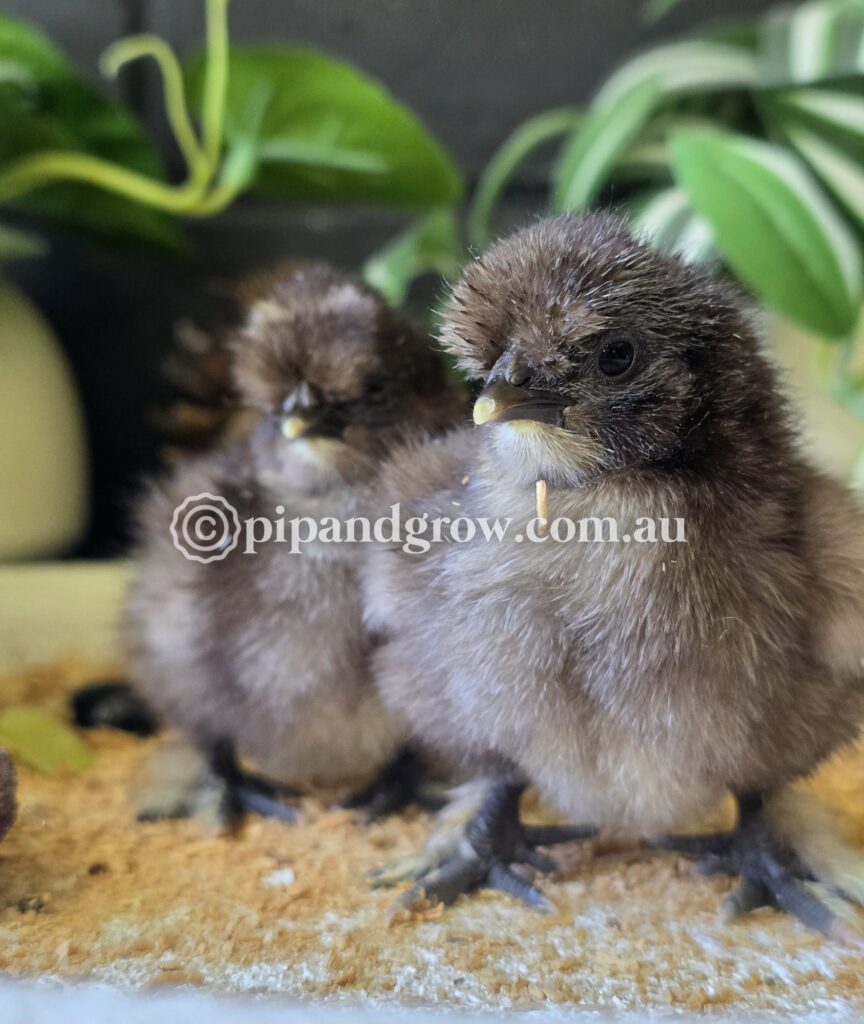
A Note on Breeding
If a bird’s wry neck was caused by an inability to absorb nutrients from their feed, it can recur and is potentially inheritable. Any bird that has shown wry neck symptoms should never be included in a breeding program unless the root cause (like a physical injury) is absolutely clear.